BYD Bets Revival on Denza Electric JV with Daimler
BYD is counting on the Denza, its first electric model co-developed with Daimler, to reverse falling car sales and regain momentum in China’s competitive market.
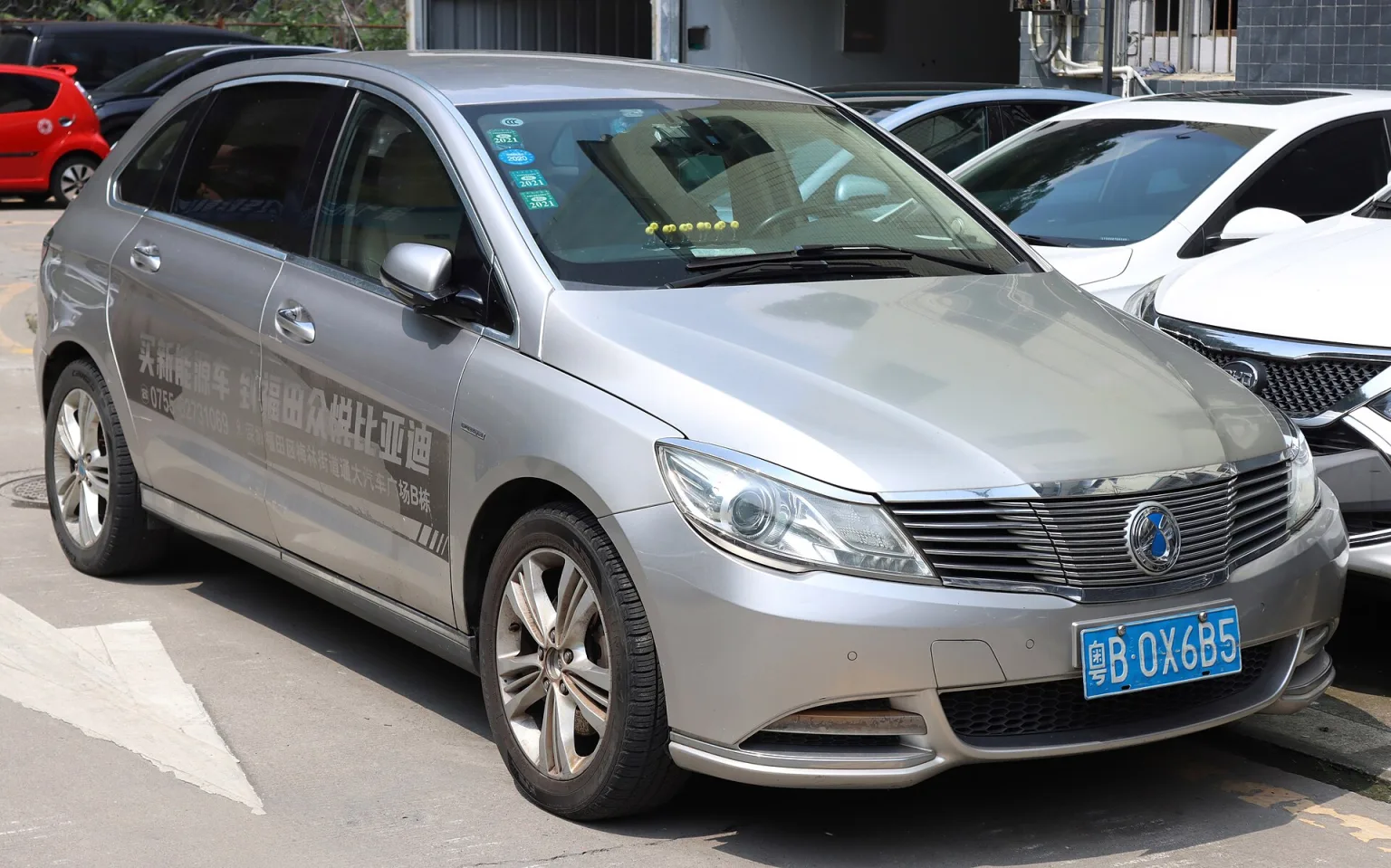
BYD is turning to its joint venture with Daimler and the new Denza electric car as it tries to recover from a sharp decline in car sales. The Chinese automaker, once celebrated for its rapid transformation from battery supplier to carmaker, has seen its vehicle deliveries fall 27% in the first half of 2014, even as its other businesses continue to grow.
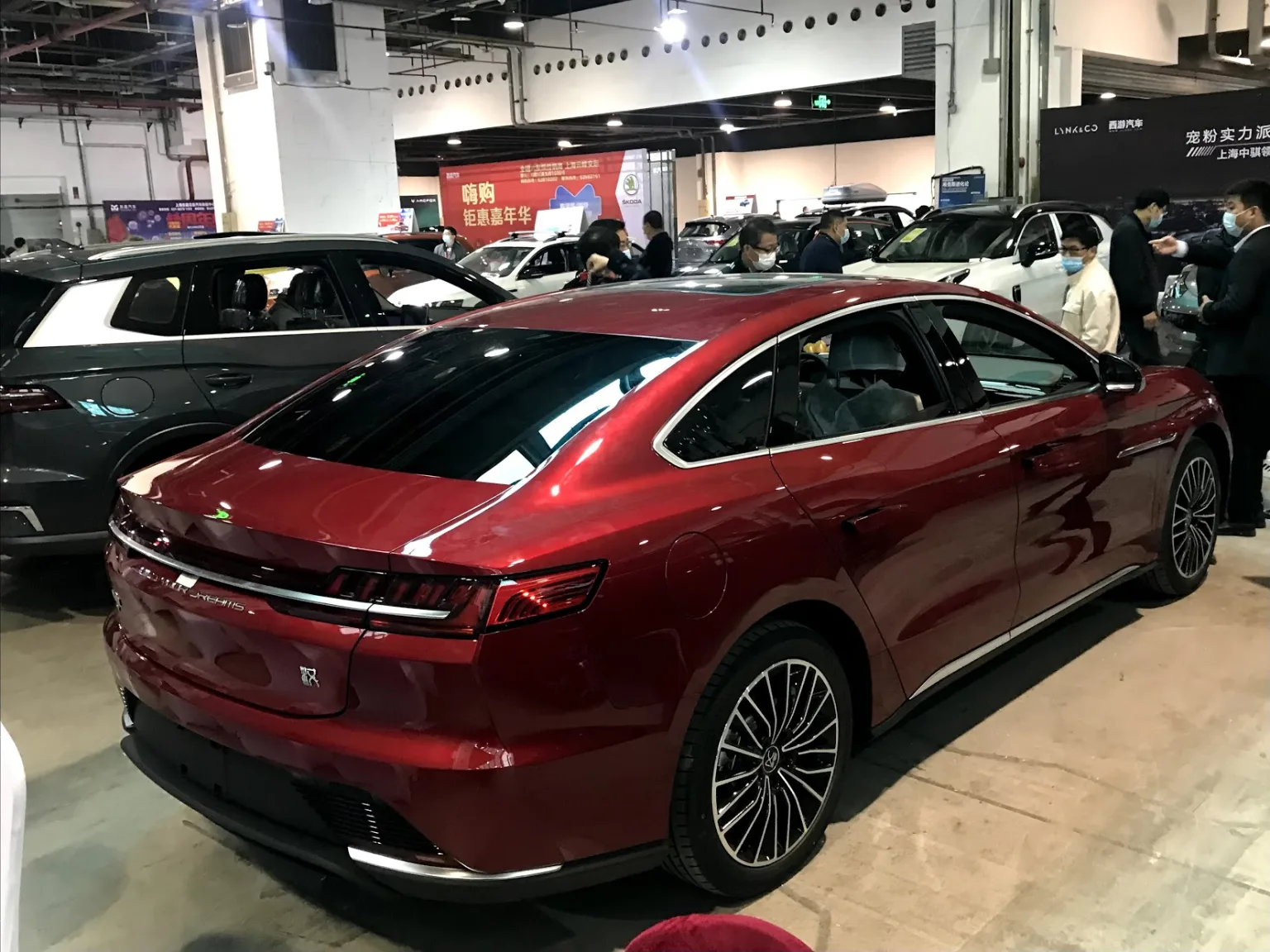
The Denza, unveiled in 2014, is BYD’s first electric model developed in partnership with Daimler. The joint venture marks a shift for BYD, which had previously avoided alliances with foreign manufacturers. The company’s founder and chairman, Wang Chuanfu, has described the Denza as the right product at the right time, citing supportive government policies as a reason for optimism.
Pressure from foreign brands and domestic slowdown
BYD’s car division remains its largest revenue generator, accounting for around half of the company’s Rmb 25.2 billion (£2.4bn) in sales for the first six months of 2014. But the rapid growth of foreign brands in China has squeezed domestic automakers. BYD is not alone in facing declining market share as international manufacturers expand their presence and product ranges.
While BYD’s original business in phone batteries and components grew by more than 20% during the same period, the company’s car sales have struggled. The Denza is seen internally as a possible turning point, offering a product that could benefit from both German engineering input and the Chinese government’s push for new-energy vehicles.
Chinese government support for electric vehicles
The Chinese government has introduced new policies and incentives to encourage the adoption of electric vehicles, plug-in hybrids and fuel cell cars. These measures include subsidies for buyers, reduced licence plate restrictions in major cities and direct support for manufacturers investing in new-energy technologies. BYD’s management believes these policies will help drive demand for models like the Denza.
Despite these efforts, BYD’s traditional petrol and diesel models still make up the bulk of its sales. The company’s ability to transition to electric vehicles will depend not only on government policy but also on how quickly Chinese consumers embrace new technologies and whether the Denza can compete with offerings from both local and foreign rivals.
What’s at stake for BYD and Daimler
The Denza’s success is critical for BYD’s ambitions to remain a major player in China’s automotive market. For Daimler, the joint venture offers a foothold in the world’s largest EV market and a chance to shape Chinese consumer perceptions of electric mobility. Both companies are watching closely to see if the Denza can deliver the turnaround BYD needs.