China’s CO2 Emissions Fall as Oil Imports Plunge and EVs Surge
A 1% drop in China’s carbon emissions follows a 32% cut in oil imports and a rapid shift to electric vehicles, with analysts suggesting some oil demand may never return.

China’s carbon dioxide emissions have fallen by 1% following the outbreak of the US-Israeli war on Iran. This decline is attributed mainly to a sharp reduction in oil consumption and a surge in electric vehicle (EV) adoption. The drop in emissions is particularly notable as it marks a shift from previous trends, where reductions were often linked to decreases in coal consumption rather than oil.
China’s Emissions Fall Amidst Oil Import Cuts and EV Shift
Impact of the US-Israeli War on Iran on Oil Imports
The onset of the US-Israeli conflict with Iran in early 2026 had immediate effects on global oil markets, with China experiencing a significant reduction in oil imports. During the second quarter of 2026, official data shows that China’s oil imports dropped by 32%. This sharp decline was influenced by both geopolitical instability and changing domestic demand. As a result, China’s overall oil use fell by 9% during this period, with the transport sector seeing an even steeper drop of 16% as the country’s electric vehicle fleet expanded rapidly.
Surge in Electric Vehicle Adoption
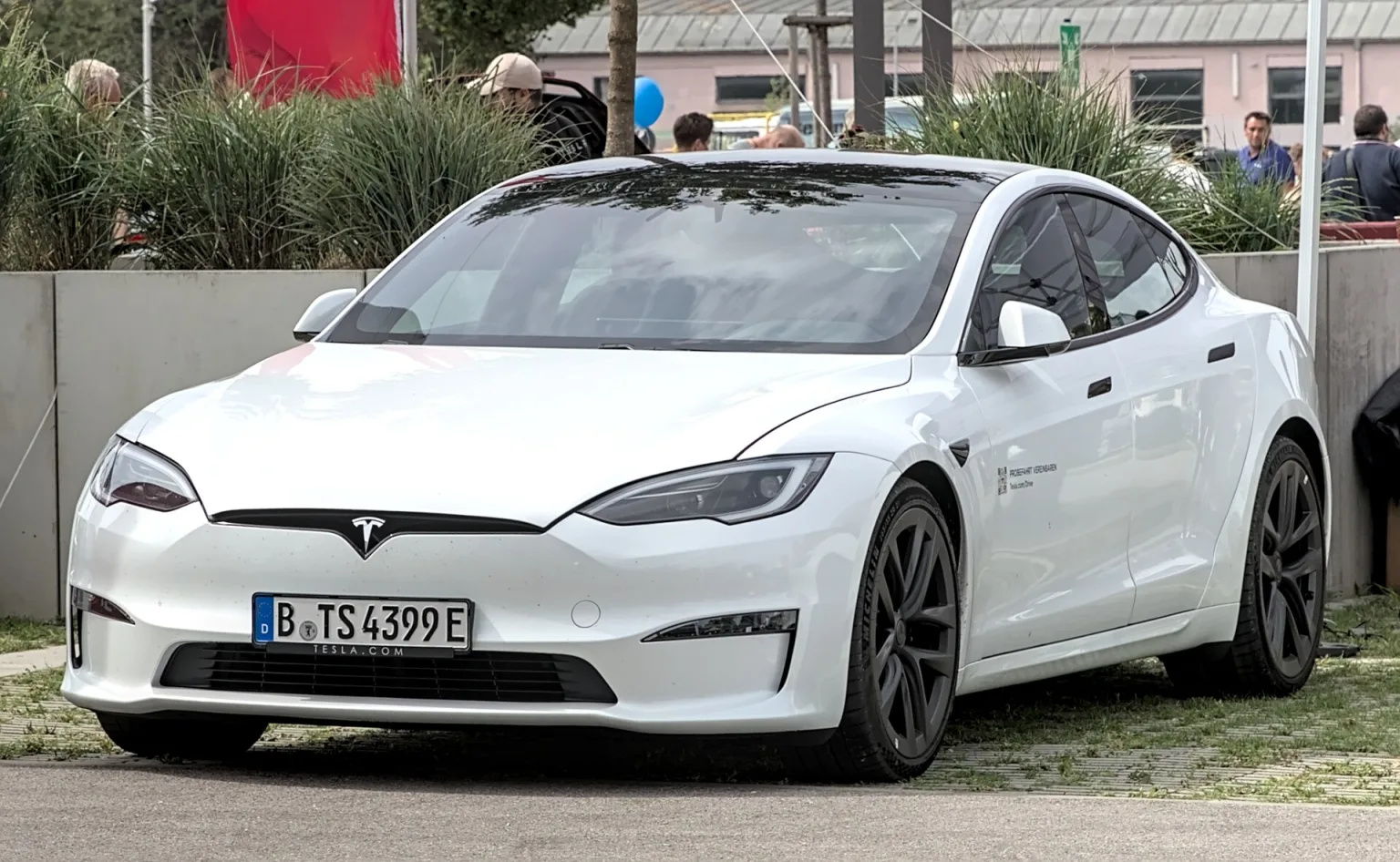
The shift towards electric vehicles in China has been especially pronounced in 2026. In the first half of the year, EVs displaced oil demand equivalent to the entire UK’s oil consumption over the same period. This rapid uptake of EVs represents a substantial acceleration in China’s move away from internal combustion engines. The expansion of the EV fleet has fundamentally changed the structure of China’s oil market, particularly in the transport sector, which has led the decline in oil demand.
The growing influence of EVs on national emissions figures is becoming clearer. According to independent energy analysts, this is the first time China’s overall emissions have fallen primarily due to reduced oil use rather than a decline in coal consumption. This distinction marks a significant turning point in the country’s decarbonisation efforts, highlighting the impact of vehicle electrification on emissions reduction.
Coal Use and Power Generation
Despite the overall fall in emissions, coal-fired power generation in China rose during the same quarter. This increase was attributed to shifting economic incentives and delays in adapting China’s electricity grid to accommodate a higher share of renewables. While coal’s share in the energy mix increased, it did not offset the overall reduction in emissions resulting from lower oil consumption. The continued use of coal highlights ongoing challenges in the energy transition, particularly in grid integration and renewable energy deployment.
Longer-Term Decarbonisation Trends
Observers believe that the longer-term trend in China is away from fossil fuels, despite the recent uptick in coal generation. Experts in energy transition have pointed out that a fossil fuel peak is coming into view at both the provincial and sectoral levels in China. This suggests that, even with short-term fluctuations in coal use, the broader direction is towards decarbonisation and cleaner energy sources.
The rapid growth of the EV market is expected to have lasting effects on China’s energy demand and emissions profile. Analysts predict that much of the reduced oil demand will not return, even if global oil prices fall. The structural shift towards electrification in transport and other sectors is likely to continue, further reducing reliance on imported oil and contributing to emissions reductions.
Implications for Global Oil Markets and Emissions
China’s declining oil demand has implications beyond its borders. As the world’s largest oil importer, changes in China’s consumption patterns can influence global oil prices and the strategies of major oil exporters. The shift towards electric vehicles and the resulting reduction in oil use could encourage other countries to accelerate their own transitions to cleaner transport technologies. The developments in China may also prompt oil producers to reconsider long-term investments in new production capacity, given the risk of sustained lower demand from key markets.
At the same time, China’s experience highlights some of the challenges in transitioning to a low-carbon economy. The increase in coal-fired power generation points to the need for further investment in grid infrastructure and renewable energy integration. Addressing these challenges will be crucial for ensuring that emissions continue to decline in the coming years, even as the country’s economy grows and energy needs evolve.
Further Reading
- For more on the impact of EVs on oil demand, see Samsung SDI: Low Oil Prices Unlikely to Derail Electric Vehicle Growth.
- For previous coverage of China’s car sales trends, see China Automobile Sales Fall Again in May.