Roewe to Launch in Poland with 550 and 750 Saloons
SAIC’s Roewe brand will enter the Polish market through Pol-Mot Holding, starting with the 550 and 750 models and targeting homologation in 2009.
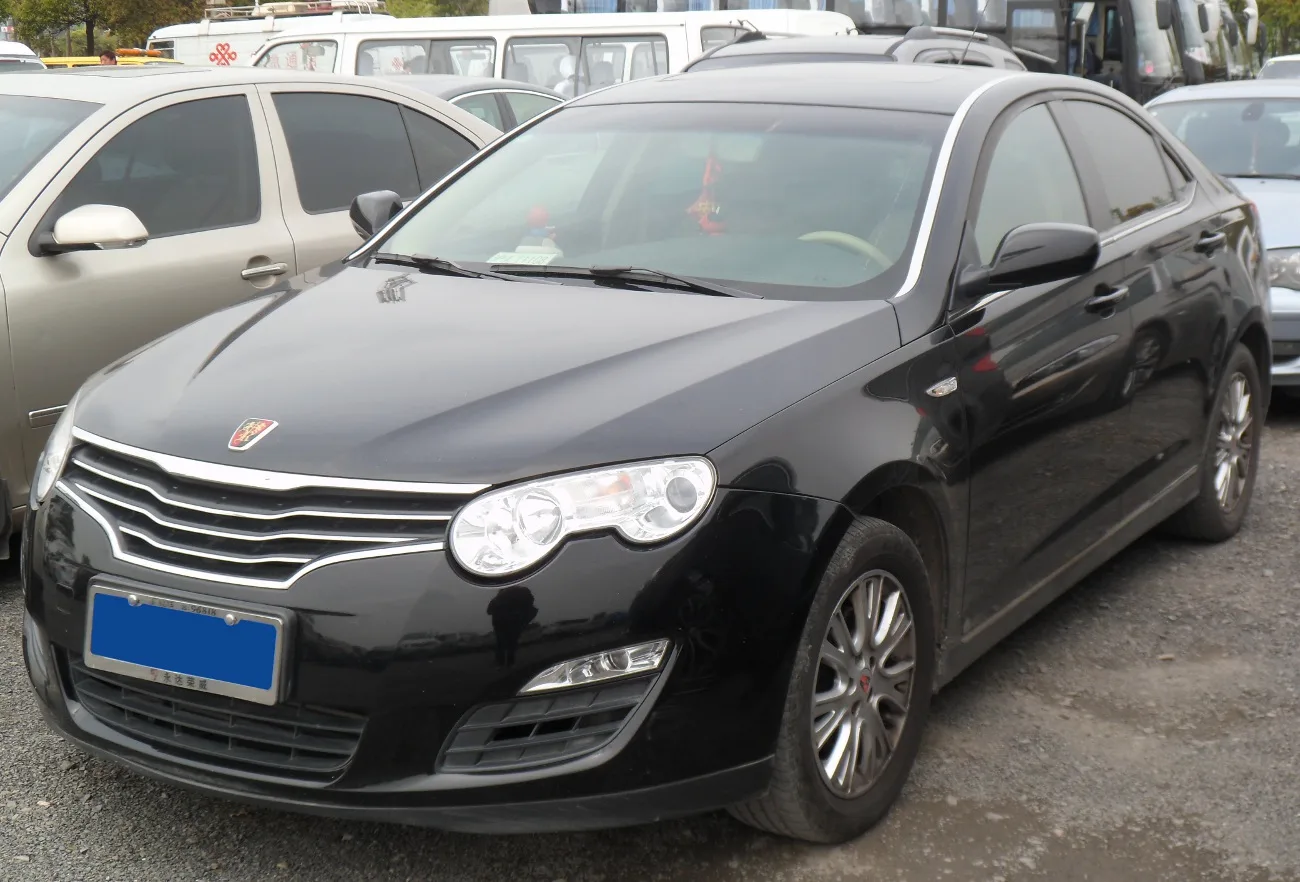
Shanghai Automotive Industry Corporation (SAIC), China’s largest carmaker, is preparing to enter the Polish passenger car market with its Roewe brand. This marks the first time Roewe-branded cars will be officially available to Polish buyers. The move is part of a broader strategy by Chinese automakers to expand into the European market, with Poland serving as a key entry point. Roewe cars, owned by Chinese giant SAIC, are set to enter the Polish market, with Pol-Mot Holding handling distribution.
Roewe’s Entry into Poland: Overview
Initial Models and Launch Details
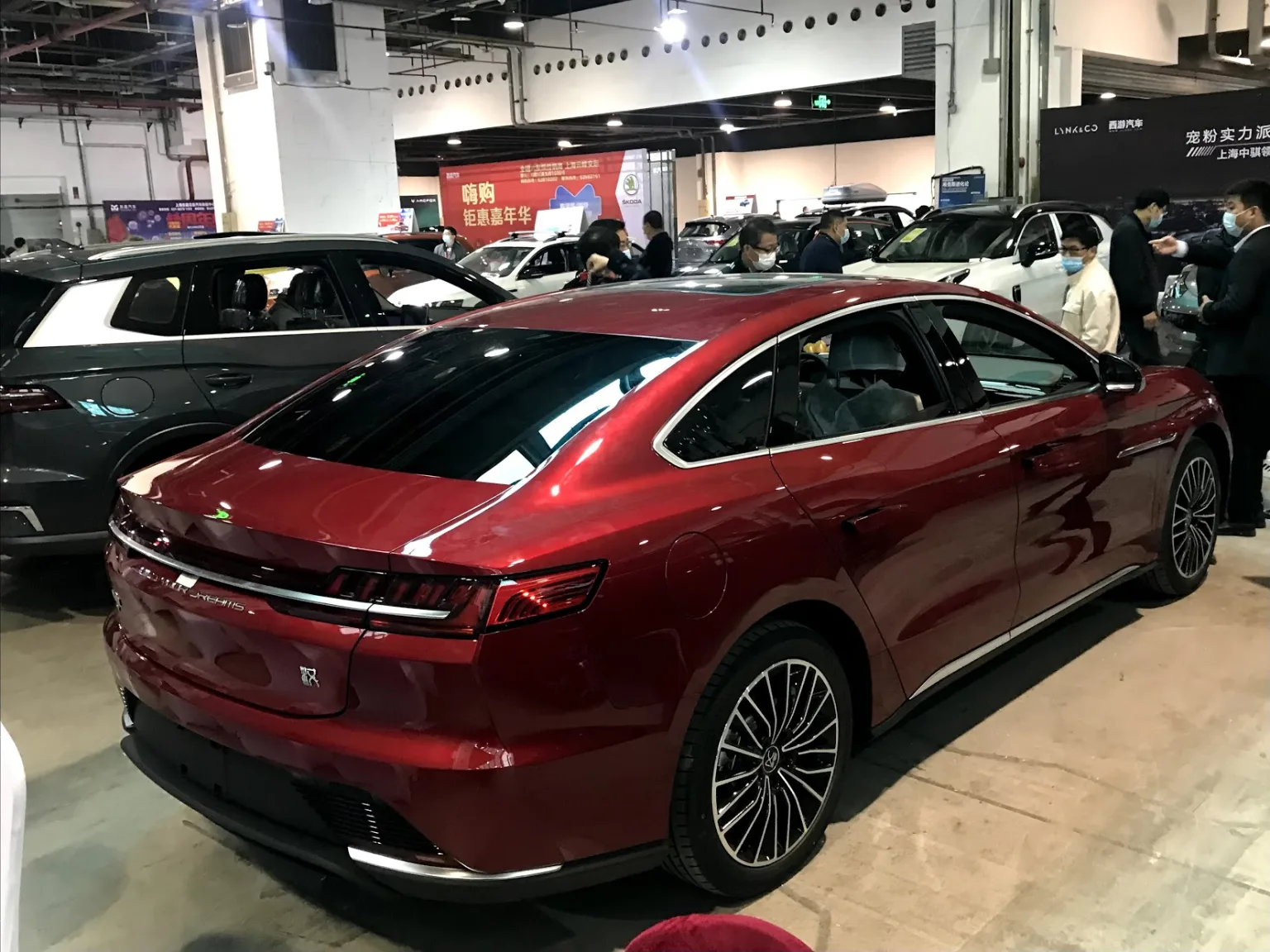
The initial Roewe line-up for Poland will comprise two saloon models: the Roewe 550 and Roewe 750. Both cars were showcased to the Polish public at the Agro Show Bednary in 2009, signalling the brand’s intentions and generating early interest. According to Pol-Mot, the Roewe 550 has already received Polish homologation, with the 750 expected to complete the process soon.
The Roewe 550 is set to launch first, equipped with a 1.8-litre turbocharged petrol engine producing 160 HP. While only the 160 HP version has been confirmed for Poland, there is a possibility that a lower-powered 133 HP version could also be offered in the future, reflecting the line-up available in China. Pricing for the Roewe 550 is expected to start between 60,000 and 70,000 PLN (net), positioning it as a competitive alternative to established European saloons.
Both the 550 and 750 are described as well-equipped, with Roewe emphasising their safety features. The Roewe 550, in particular, achieved a five-star rating in the C-NCAP crash tests, making it the first Chinese car to do so. This result is highlighted by SAIC as the company seeks to establish credibility and reassure European buyers about the quality and safety of its vehicles.
Background: Roewe’s British Roots and Corporate History
Roewe’s origins are closely tied to the collapse of the British carmaker Rover. In 2005, SAIC and Nanjing Automobile acquired technology from Rover, but only Nanjing secured rights to the MG brand and the Longbridge facility. The Rover name itself remained with BMW, so SAIC launched Roewe in late 2006, adopting branding and a badge reminiscent of the British original to attract former Rover customers. The Roewe 750 shares its platform and much of its engineering with the Rover 75, while the 550 is a more modern design developed by SAIC. In 2007, SAIC and Nanjing merged, bringing both Roewe and MG under the same corporate umbrella. This consolidation resulted in the Roewe 750 and MG7 effectively being twin models aimed at different markets, leveraging British engineering heritage to appeal to European consumers.
Pol-Mot Holding’s Role and Experience
Pol-Mot Holding’s selection as Roewe’s distributor in Poland is informed by its longstanding experience with Chinese manufacturers. The company has previously imported Chinese agricultural machinery and has worked with firms such as Foton to adapt tractors for the European market. For example, a subsidiary of Pol-Mot, Warfama SA, signed an agreement with Foton to assemble and adapt Chinese tractors to meet European standards in Lublin. The agreement anticipated the introduction of 200 tractors in the first year, with numbers expected to rise to over 500 units in subsequent years.
This background gives Pol-Mot a foundation for introducing Roewe cars to Polish customers, as the company already has experience in bridging the gap between Chinese manufacturing and European regulatory requirements. Pol-Mot’s established distribution network and understanding of local consumer expectations are likely to support Roewe’s entry and initial sales efforts.
Potential Impact on the Polish Car Market
The arrival of Roewe in Poland reflects a wider trend of Chinese automakers targeting Eastern European countries as initial entry points to the EU market. Polish buyers, traditionally loyal to European and Japanese brands, are increasingly open to alternatives, especially those offering strong value and modern features. Roewe’s focus on safety, equipment, and competitive pricing could appeal to buyers looking for affordable yet well-appointed saloons.
If Roewe’s launch proves successful, it could encourage further expansion of Chinese brands in Poland and neighbouring markets. This would increase competition, potentially leading to more choices and better pricing for consumers. For SAIC, establishing Roewe in Poland is a strategic step towards building a presence in the wider European market.