Chrysler Ends PT Cruiser Production After Decade-Long Run
The final PT Cruiser left Chrysler’s Toluca, Mexico plant in July 2010, closing the chapter on a car that once defined retro design and mass-market appeal.
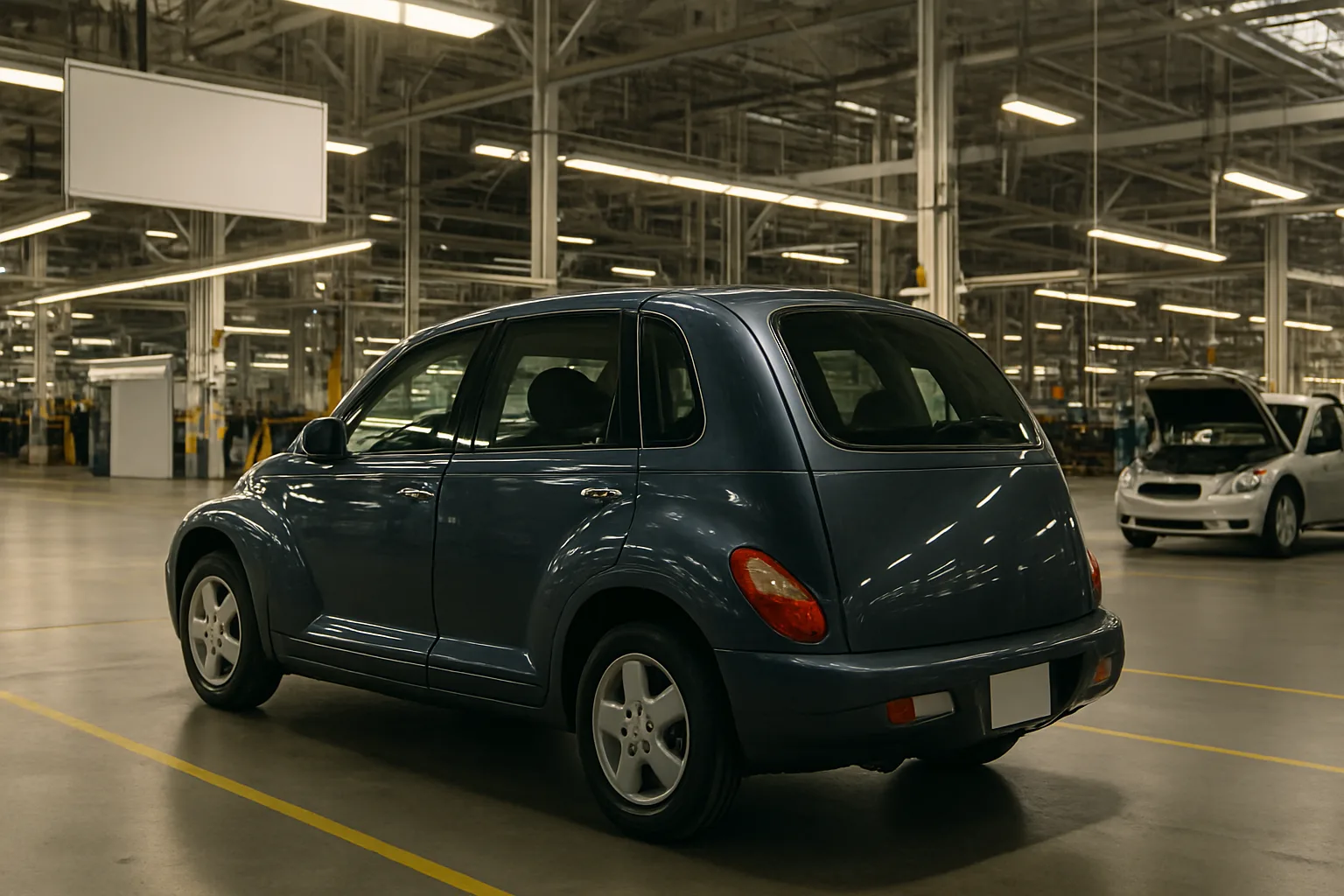
Chrysler has ended production of the PT Cruiser, with the last model leaving the Toluca, Mexico factory on 9 July 2010. The decision closes a decade-long run for a car that once stood out for its distinctive retro styling and broad appeal, but whose popularity faded sharply in the years before its discontinuation.
PT Cruiser’s Early Success and Decline
Launched in 2000, the PT Cruiser quickly became a hit thanks to its blend of 1930s-inspired design and practical packaging. Its flared arches, upright stance and unusual profile set it apart from the more conservative shapes dominating the market at the time. Chrysler could not meet initial demand, with sales in the United States peaking at nearly 145,000 units in 2001.
The car’s appeal crossed demographics, attracting retirees, young buyers, and customisers alike. Analysts and dealers noted that its unique look and spacious interior drew in customers who might not otherwise have considered a Chrysler. Its success even inspired rivals, such as the Chevrolet HHR, to develop their own retro-styled models.
Lack of Investment and Changing Tastes
Despite its early popularity, Chrysler made few substantial updates to the PT Cruiser. Beyond minor cosmetic changes and the addition of a convertible, the model saw little development. Calls for a two-door or panel van variant were not answered. As a result, the car struggled to maintain its appeal as the market shifted and competition increased.
By 2009, US sales had dropped to 18,000 units. The PT Cruiser, once a showroom draw, became a common sight in rental fleets and for commercial use, eroding its image as a fashionable choice. Chrysler’s financial struggles, including its 2009 bankruptcy and changes in ownership, left little room for investment in a major redesign.
Remaining Stock and Collector Prospects
At the time production ceased, Chrysler had around 5,700 unsold PT Cruisers in inventory. The company offered end-of-model-year incentives, including $2,000 cash discounts or five years of interest-free finance, with prices starting at about $19,000. Sales were running at roughly 1,000 units per month as the last examples reached dealers.
Industry observers noted that the PT Cruiser’s mass production means it will probably depreciate like most mainstream cars, rather than gaining value as a classic. Its legacy, however, remains as an example of how bold design can shape a brand’s image and drive short-term success, even if not sustained by long-term investment.