Chrysler’s 3D Modelling Cuts Engineering Costs at Kokomo
Chrysler has introduced a 3D modelling system at its Indiana plant, aiming to reduce engineering costs and improve production of new eight- and nine-speed transmissions.
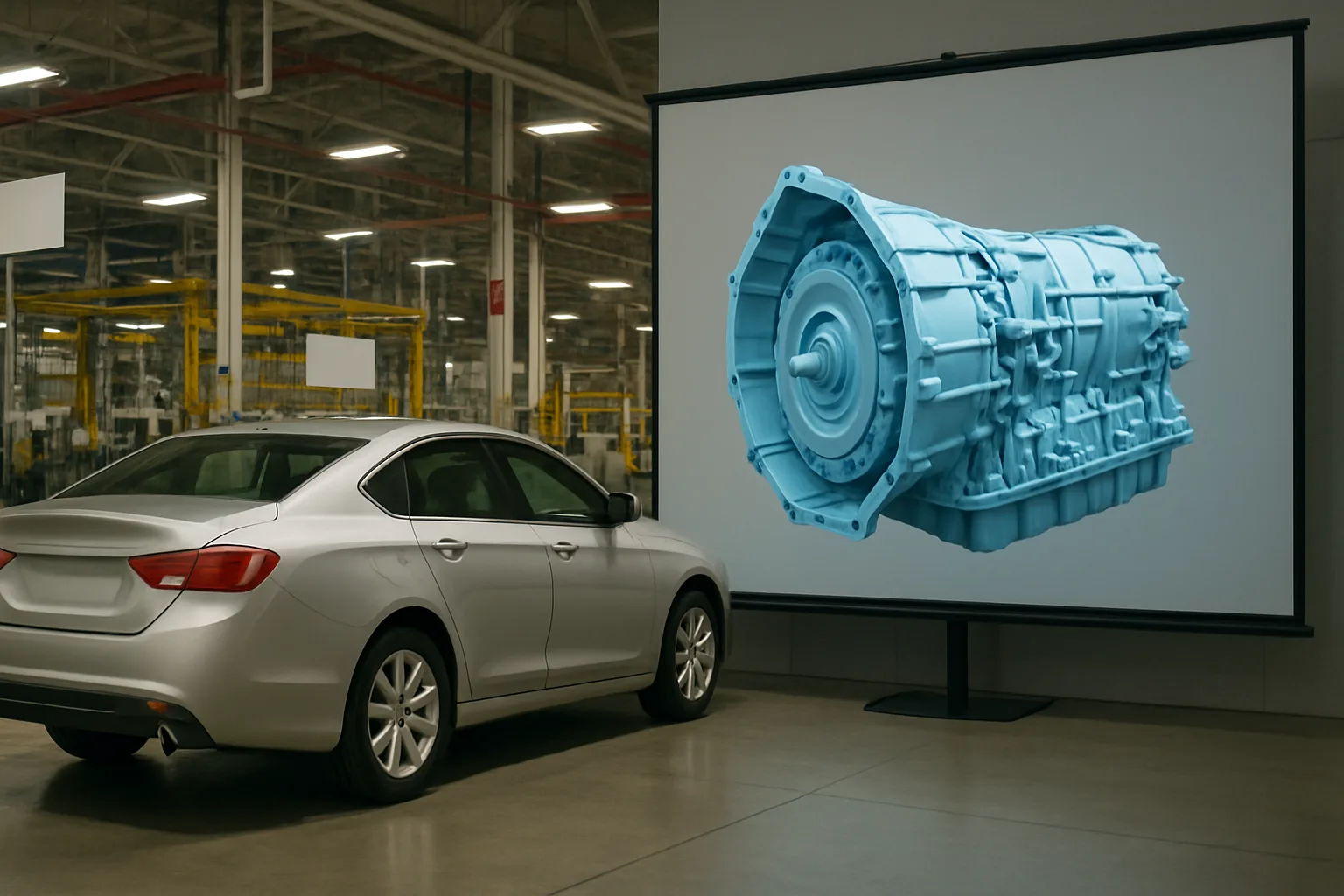
Chrysler has introduced a 3D pre-production modelling system at its Kokomo, Indiana facility, with the goal of reducing costs as it prepares to manufacture new eight- and nine-speed automatic transmissions. The company expects this virtual system to streamline engineering work and avoid expensive changes during physical installation, marking a significant step in its manufacturing strategy.
Chrysler Adopts Advanced 3D Modelling to Cut Costs
How the 3D Modelling System Works
The 3D system, developed by Strategic Manufacturing Solutions of Auburn Hills, Michigan, enables engineers to visualise the entire plant environment. This includes not only equipment and parts, but also personnel, allowing teams to test how all elements interact before any real-world changes are made. By simulating plant layouts and production flows, Chrysler can identify and resolve potential issues in advance, reducing both risk and cost.
Chrysler’s head of powertrain operations in North America, Brian Harlow, explained that this approach enables the company to address potential problems before they arise on the factory floor. This proactive method minimises disruptions and helps keep projects on schedule and within budget.
Transmission Projects and Investment at Kokomo
Fiat, which manages Chrysler, has committed $1.3 billion to the Kokomo facility for the design and production of two new transmissions: a front-wheel drive nine-speed and a rear-wheel drive eight-speed. The 3D modelling system is being used to plan and optimise the manufacturing processes for both projects, with the eight-speed transmission scheduled for production in the fourth quarter of 2012 and the nine-speed at the start of 2013.
These new transmissions are central to Chrysler’s strategy for improved fuel efficiency and competitiveness in the North American market. By supporting faster and more efficient process development, the 3D system helps ensure that the company’s investment in advanced drivetrain technology delivers both performance and cost benefits.
Expansion to Other Chrysler Plants
Chrysler plans to extend the 3D modelling approach to other plants in the US and Mexico. By replicating the system across multiple locations, the company aims to standardise process improvements and cost savings throughout its manufacturing operations. This strategy supports consistent quality and efficiency as new products are launched.
Industry Context and Broader Trends
The adoption of advanced modelling systems is part of a wider shift in the automotive industry, where virtual engineering tools are increasingly used to cut costs and accelerate new product launches. Other manufacturers, such as Volkswagen, have also explored digital techniques and cost-cutting measures in response to mounting development and production expenses. The use of 3D modelling allows companies to remain competitive by improving efficiency and reducing the likelihood of costly errors during the manufacturing process.
Chrysler’s move reflects the growing importance of digital manufacturing tools as the industry faces pressures to deliver innovative products more quickly and at lower cost. As more plants adopt such systems, the benefits of virtual modelling are likely to become a standard part of automotive production worldwide.
Summary of Benefits
- Reduced engineering costs by identifying issues before physical changes are made.
- Faster and more efficient process development for new transmissions.
- Improved ability to plan, visualise, and optimise plant layouts.
- Potential for standardised improvements across multiple facilities.
- Supports Chrysler’s broader goals of fuel efficiency and competitiveness.