Volkswagen Golf Mk7 vs Mk6: Key Differences in Design and Engineering
Volkswagen’s seventh-generation Golf, launched in 2012, introduced a lighter platform, more interior space and improved efficiency compared to the outgoing Mk6.
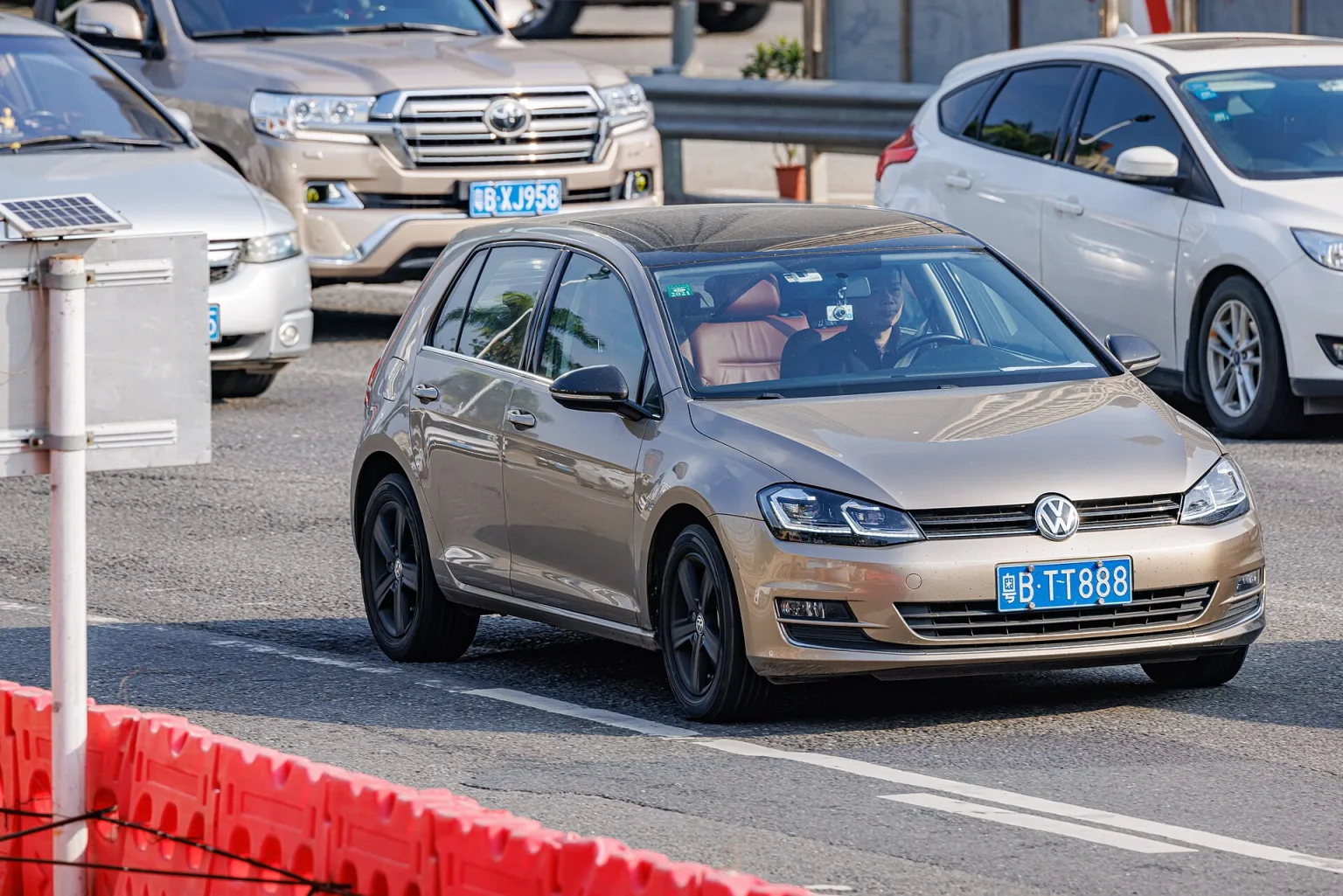
Volkswagen revealed the Golf Mk7 in September 2012, aiming to build on the Mk6’s strong sales with a new platform, updated design and improved efficiency. The Mk7 replaced the Mk6 as Volkswagen’s core model in Europe, where the Golf had already sold over 240,000 units in the first half of 2012.
Platform and dimensions
The Golf Mk7 was the first Golf to use Volkswagen’s MQB modular architecture. This allowed for a longer wheelbase and wider track, but the car’s overall height dropped by 28mm. The Mk7 measures 4,255mm in length and 1,799mm in width, both increases over the Mk6, which stood at 4,199mm long and 1,786mm wide. Despite the larger footprint, Volkswagen managed to reduce the Mk7’s weight by around 100kg through the use of advanced steel-forming techniques.
| Golf Mk6 | Golf Mk7 | |
|---|---|---|
| Length | 4,199mm | 4,255mm |
| Width | 1,786mm | 1,799mm |
| Height | 1,480mm | 1,452mm |
| Boot capacity | 350 litres | 380 litres |
| Weight (base) | ~1,250kg | ~1,150kg |
Interior space and practicality
Volkswagen made several changes to improve cabin space in the Mk7. Rear legroom increased by 15mm, and the front seats were moved back by 20mm to better accommodate taller drivers. Boot space grew from 350 litres in the Mk6 to 380 litres in the Mk7. These changes made the new Golf more practical for families and everyday use.
Engines and efficiency gains
The Mk7 launched with a range of petrol and diesel engines focused on efficiency. The 1.6-litre TDI diesel produced 77kW and returned 3.8 litres per 100km, with CO2 emissions of 99g/km. The BlueMotion version cut fuel use further to 3.2 litres per 100km and 85g/km CO2. On the petrol side, the 1.4-litre TSI offered 103kW and, with the DSG gearbox, achieved 5.0 litres per 100km and 116g/km CO2. These figures improved on the Mk6’s comparable engines, reflecting Volkswagen’s push for lower running costs and emissions.
Styling and design changes
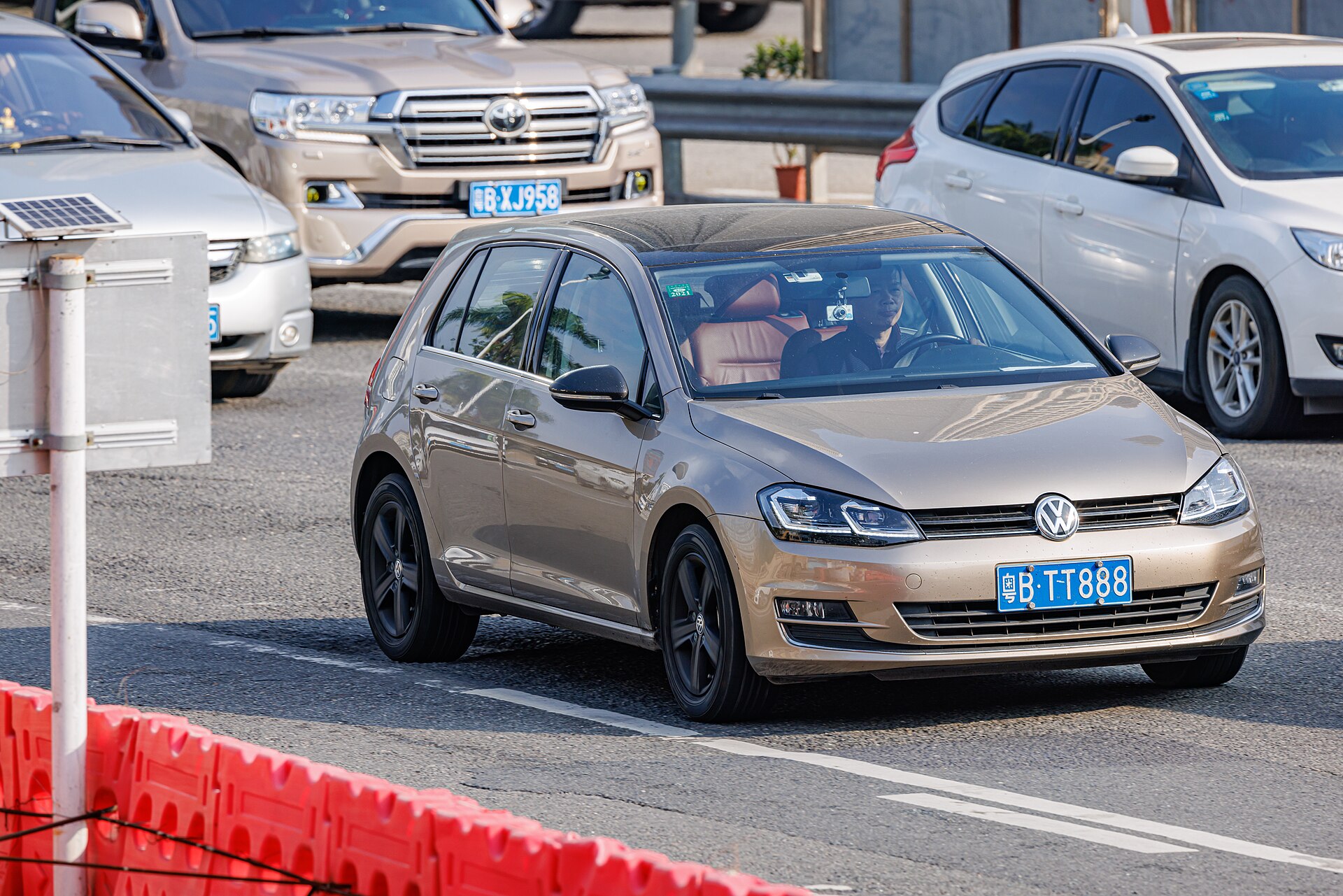
Visually, the Mk7 built on the Mk6’s lines but introduced sharper creases, a lower stance and a more pronounced grille. The changes were evolutionary rather than radical, keeping the Golf’s familiar profile but giving it a fresher, more modern appearance. Interior materials and technology also saw an upgrade, with higher quality finishes and new infotainment options.
How the Mk7 compares for buyers
For buyers, the Mk7 offered more space, lower running costs and improved refinement over the Mk6. The weight reduction contributed to better fuel economy and handling, while the increased boot and cabin space addressed one of the Mk6’s limitations. The MQB platform also paved the way for further developments, including the launch of the Mk7 GTI and other variants.
For more on the Golf Mk7’s launch, see our coverage of its debut: /2013-volkswagen-golf-7-was-unveiled. Details on the Mk7 GTI are available here: /paris-motor-show-live-meet-the-new-volkswagen-golf-gti.