Computer simulations cut vehicle development costs and time
Automakers are using advanced digital prototyping and simulation tools to reduce new model development time by up to a year and save millions in prototype and testing costs.
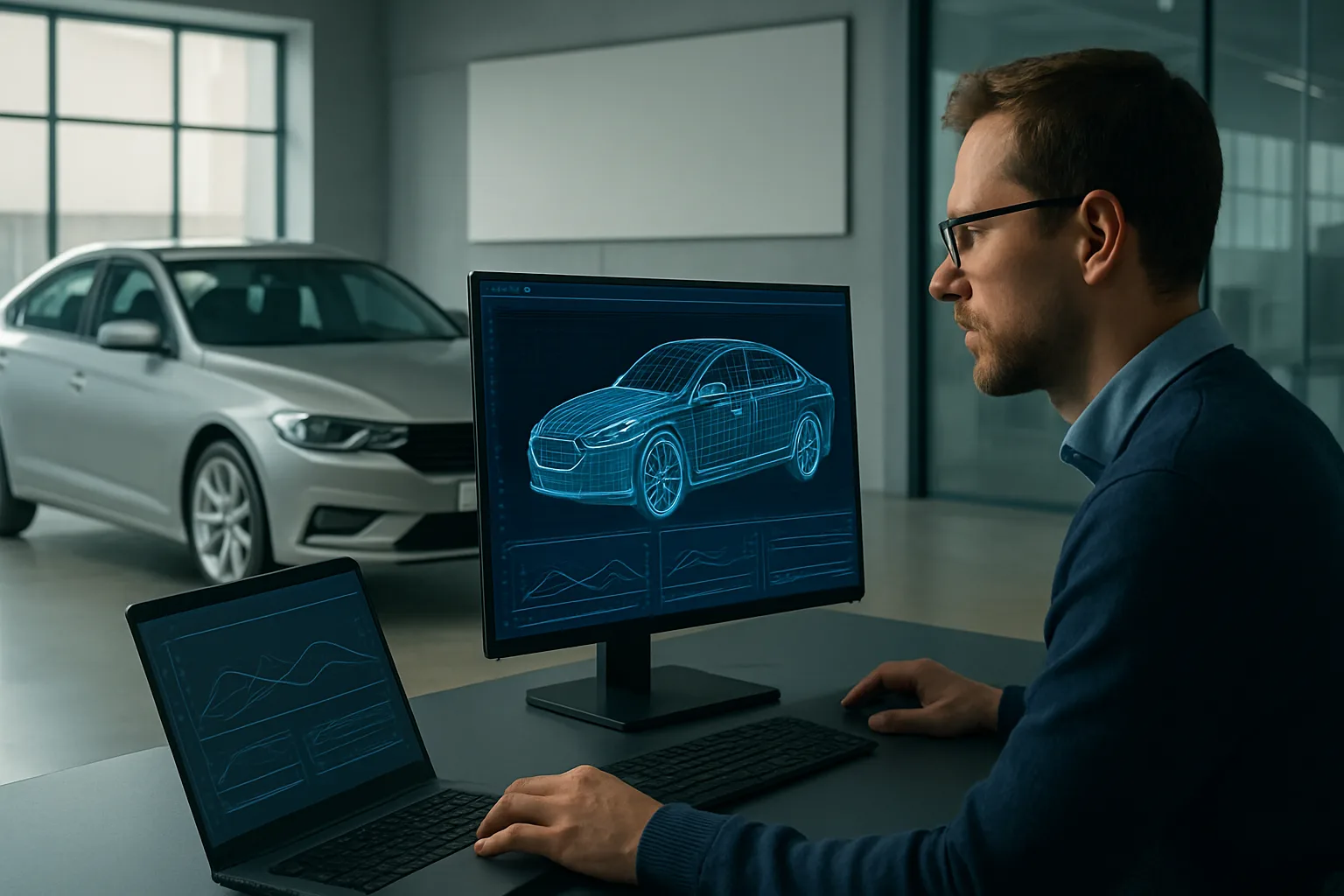
Automakers are turning to advanced computer simulations to reduce the time and cost of developing new vehicles, with digital prototyping now shaving up to a year off the typical development cycle compared to previous decades.
Research from IHS Automotive found that switching to digital prototyping and simulation has enabled manufacturers to move from design freeze to production much faster. The traditional process, which relied heavily on physical models and multiple rounds of testing, has been streamlined by simulating crash tests, aerodynamics and fuel economy on computers. These changes have not only accelerated product launches but also reduced the number of physical prototypes required for each new model.
Crash testing and prototype reduction
Crash simulation is one of the areas with the most dramatic improvements. According to Jaguar Land Rover, the number of physical crash test prototypes required for a new model has fallen from 30 to 50 in the past to just 10 to 15 today. Since each prototype can cost close to €700,000, the reduction brings substantial savings. Simulations that once took weeks are now completed in two days, allowing engineers to iterate designs quickly and cut further time from the development process.
Aerodynamics and emissions development
Aerodynamic development has also moved away from physical wind tunnel models towards computational fluid dynamics (CFD). Firms such as Exa Corp provide software that allows designers to test and refine shapes digitally, sidestepping the limitations of clay models and wind tunnel access. For example, the Jaguar XE sedan was styled using CFD without building a full-scale wind tunnel model. This approach helps manufacturers meet stricter fuel economy and emissions standards while controlling costs.
Impact on product cycles and competitiveness
Shorter development times mean fresher product portfolios and the ability to respond more quickly to market trends. Manufacturers can update models or introduce new vehicles with less risk and lower upfront investment. This supports compliance with new regulations and helps keep line-ups competitive in a fast-moving market.
The shift to simulation-driven development is now standard practice across the industry, with further advances in software expected to bring additional savings and efficiencies in future model launches.