F1 Sound Row Fuels Takeover Theories in Paddock
Criticism of Formula One’s quieter turbo V6 engines in 2014 has sparked speculation that key figures may be seeking to drive down the sport’s value for a possible takeover.
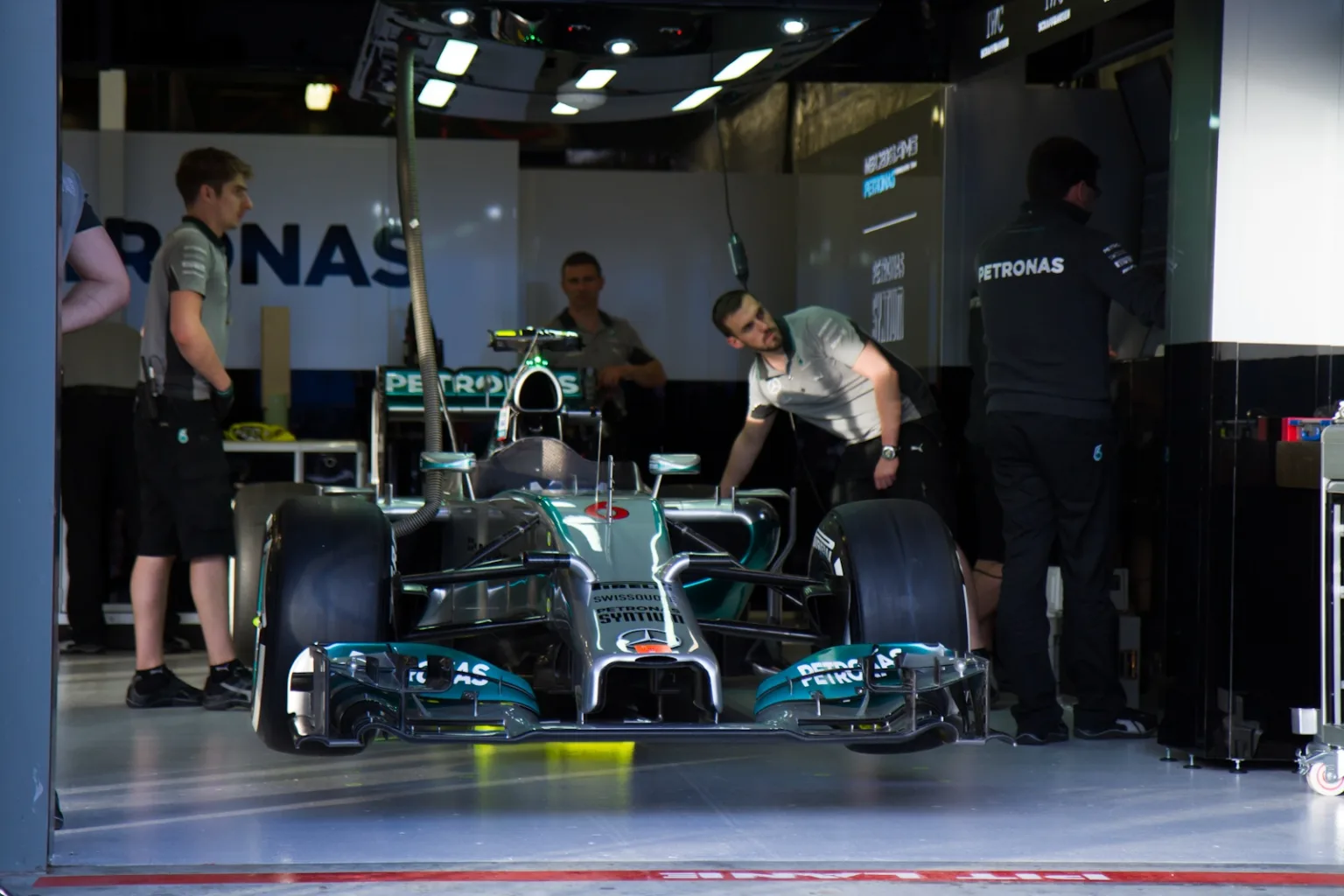
Persistent complaints about the subdued sound of Formula One’s new turbocharged V6 engines in 2014 have triggered a wave of conspiracy theories in the paddock, with some observers suggesting that vocal criticism from influential figures could be an attempt to depress the sport’s value ahead of a potential takeover.
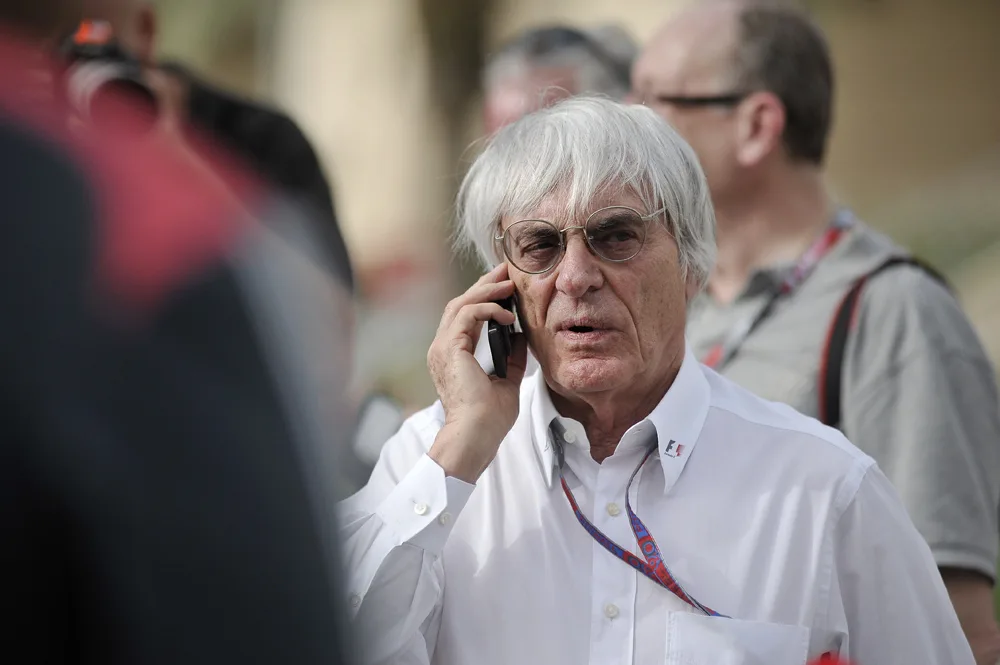
Bernie Ecclestone, then the sport’s chief executive, was the most prominent critic of the new power units, repeatedly expressing dissatisfaction with the reduced volume and different character of the engines compared to the outgoing V8s. His stance was echoed by Red Bull owner Dietrich Mateschitz, who also made no secret of his disapproval of the quieter, more efficient formula adopted for environmental and cost reasons.
The timing and intensity of their criticism led some in the paddock and media to question whether there could be a strategic motive. Suggestions surfaced that by publicly undermining the spectacle and appeal of Formula One, key figures with a stake in the sport’s future might be seeking to drive down its commercial value, potentially paving the way for a buyout or increased influence at a lower price.
Takeover speculation gathers pace
Jonathan McEvoy of the Daily Mail was among those to float the theory that Ecclestone’s relentless negativity could be part of a plan to orchestrate a takeover, with Mateschitz also named as a possible participant. The logic, according to these theories, is that persistent public criticism could soften the market value of Formula One’s commercial rights, making them more accessible to new or existing stakeholders.
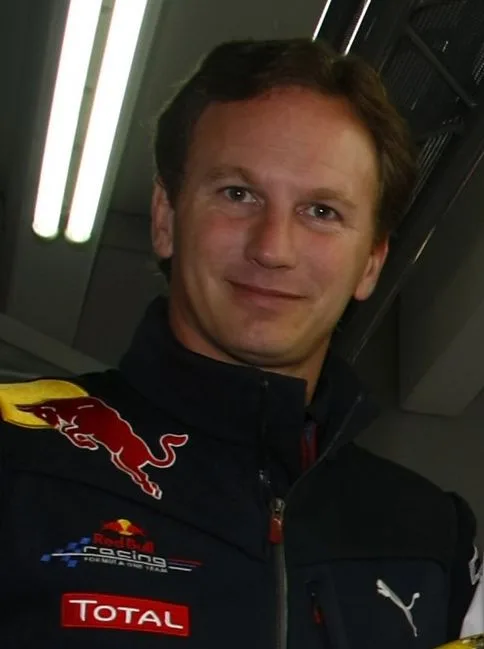
Christian Horner, Red Bull Racing’s team principal, was quick to distance himself from any suggestion of a conspiracy, stating that Formula One remained a valuable product and that Ecclestone’s role was to promote, not undermine, the sport. Ecclestone himself rejected claims of orchestrating a price drop, arguing that the new engine regulations were introduced by engineers and not by his own design.
Motives questioned as criticism intensifies
The debate over the new engine sound divided opinion in the paddock and among fans, with world champion Sebastian Vettel also voicing his dislike of the quieter cars. While some saw the criticism as a natural reaction to a major technical shift, others viewed the coordinated messaging from prominent figures as suspicious, especially given the commercial stakes involved in Formula One’s ownership structure.
Despite the speculation, no concrete evidence emerged in 2014 to support claims of a deliberate campaign to devalue the sport for takeover purposes. The controversy did, however, highlight the tensions between Formula One’s technical direction and the interests of its leading commercial and sporting figures.
For more on how technical changes have shaped recent seasons, see Mercedes-Benz S500 Plug-in Hybrid Debuts at 2013 Frankfurt Motor Show.