Dacia Reaches 100,000th 0.9 TCe Engine Milestone in Romania
Dacia’s Mioveni plant has produced its 100,000th 0.9-litre TCe turbocharged engine, less than a year after the unit’s introduction in the brand’s core models.
Dacia has marked a significant production milestone with the assembly of its 100,000th 0.9-litre TCe turbocharged petrol engine at the Mioveni facility in Arges, Romania. This achievement comes less than a year after the engine’s introduction, highlighting its importance to the brand’s recent model updates and the growing demand for modern, efficient powertrains in the entry-level segment.
Dacia Reaches 100,000th 0.9 TCe Engine Milestone
Development and Technical Features of the 0.9 TCe
The 0.9-litre TCe engine is a product of the Renault-Nissan Alliance and represents a shift towards downsized, turbocharged petrol units for improved efficiency. With a displacement of 898cc, this three-cylinder engine uses turbocharging to deliver performance comparable to larger, naturally aspirated engines while maintaining lower fuel consumption and emissions. One of its notable engineering achievements is its weight: at 15kg lighter than a naturally aspirated engine with similar output, it contributes to better fuel economy and reduced CO2 emissions for the vehicles it powers.
Production of the 0.9 TCe began in the second half of 2012 at Mioveni, which is Dacia’s principal manufacturing facility. The plant has adapted its assembly lines to accommodate the new engine and to meet increasing demand. According to Dacia, annual production capacity for the 0.9 TCe will reach 450,000 units by the end of 2013, a substantial increase that reflects both the popularity of the engine and the company’s ambitions in the segment.
Applications Across the Dacia Range
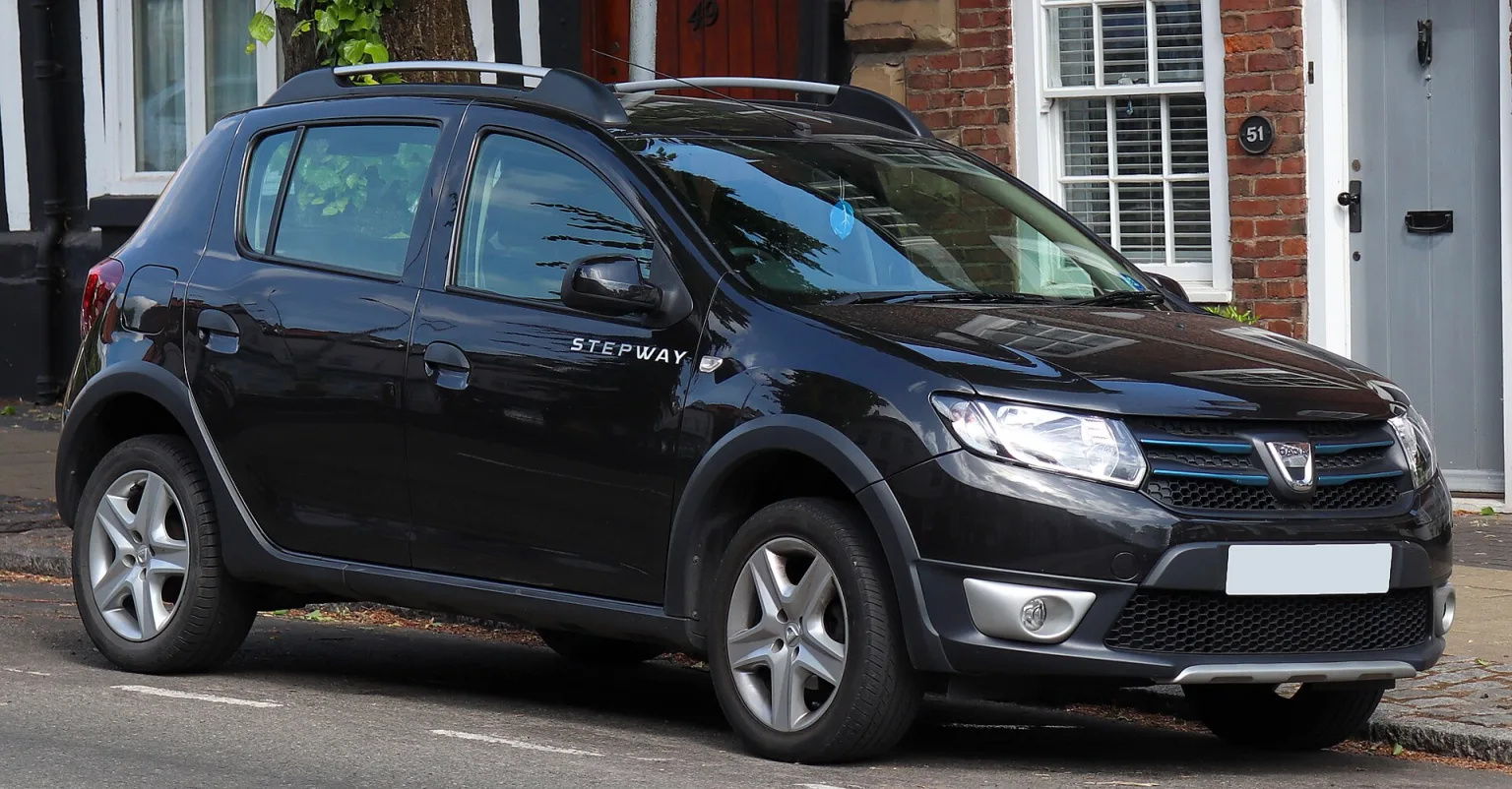
The 0.9-litre TCe engine is fitted to several of Dacia’s most important models, including the latest generation Logan, Logan MCV, Sandero, and Sandero Stepway. These models form the backbone of Dacia’s line-up in Europe and other markets, and the adoption of the TCe unit ensures that buyers benefit from a modern, efficient, and lightweight powertrain. The engine helps Dacia offer vehicles that balance affordability with up-to-date technology, a key factor in the brand’s growing market share.
- Dacia Logan (latest generation)
- Dacia Logan MCV
- Dacia Sandero
- Dacia Sandero Stepway
Competitive Context: Responding to Ford’s EcoBoost
The introduction of the 0.9 TCe engine is part of Renault-Nissan and Dacia’s strategic response to Ford’s 1.0-litre EcoBoost, which has been recognised in the industry for its combination of efficiency and power. While the Ford EcoBoost has set a benchmark in the segment, Dacia’s TCe unit is positioned as a cost-effective alternative, offering turbocharged performance suitable for budget-conscious buyers. This move allows Dacia to remain competitive in a market where downsized turbocharged engines are becoming the norm.
The Mioveni Plant’s Role and Broader Impact
The Mioveni facility in Arges, Romania, is central to Dacia’s manufacturing operations. The plant not only produces engines but also assembles vehicles for both Dacia and Renault. Achieving the 100,000-unit milestone for the 0.9 TCe engine underscores Mioveni’s growing role as a key powertrain supplier within the Renault-Nissan Alliance. The planned increase in production capacity reflects continued investment in Romanian manufacturing and secures the plant’s position as a vital site for future engine development and assembly.
The Mioveni plant has a history of achieving production milestones. For example, it has previously celebrated the production of 400,000 units of the Dacia Duster SUV. These achievements demonstrate the facility’s ability to scale up production and adapt to new technological requirements, benefitting both the local workforce and the Romanian automotive industry as a whole.
What This Milestone Means for Dacia and the Region
Reaching 100,000 units for the 0.9 TCe engine signals strong demand for Dacia’s latest models and highlights the success of its strategy to offer efficient, modern engines at accessible prices. The increased production capacity planned for the end of 2013 indicates confidence in the continued growth of Dacia’s market share and secures jobs at the Mioveni plant. It also reinforces Romania’s role as a centre for automotive manufacturing within the Renault-Nissan Alliance.
As the automotive industry continues to shift towards downsized, turbocharged engines to meet stricter emissions regulations, Dacia’s investment in the 0.9 TCe ensures its models remain competitive. For buyers, this means access to reliable, economical vehicles that do not compromise on performance. For the region, it brings continued economic activity and the prospect of further technological development in Romanian automotive manufacturing.