Dacia Duster hits 400,000-unit milestone at Mioveni plant
Dacia has produced its 400,000th Duster SUV at the Mioveni factory in Romania, less than three years after the model’s launch, with most output destined for Western Europe.
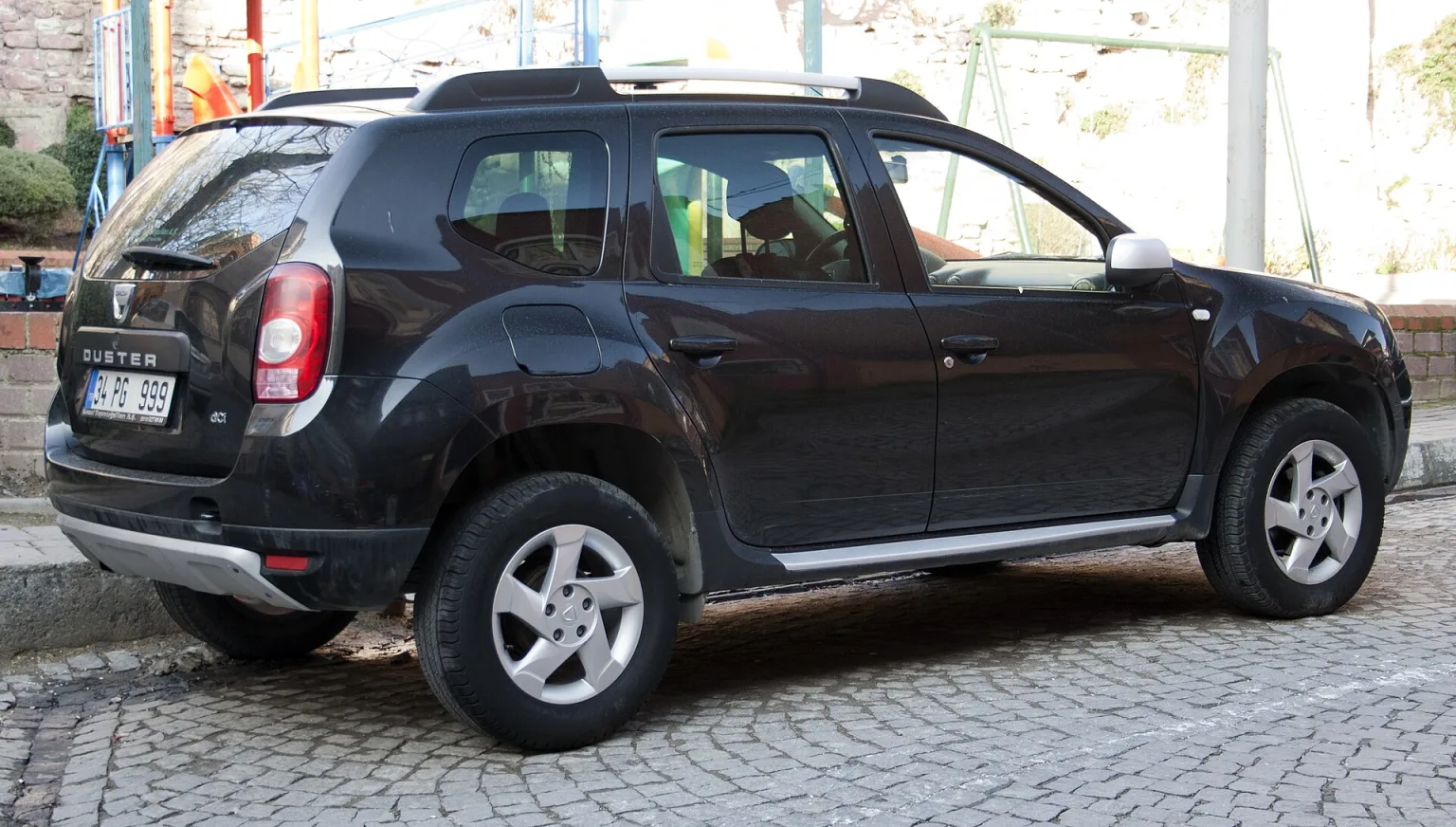
Dacia has achieved a significant milestone with the production of the 400,000th Duster SUV at its Mioveni plant in Romania. This achievement comes less than three years after the model first entered production, demonstrating the strong demand for the Duster across Europe. The milestone vehicle, finished in grey and fitted with a 1.5-litre dCi diesel engine producing 110hp and featuring all-wheel drive, is set to be delivered to a customer in France.
Dacia Duster Reaches 400,000-Unit Production Milestone
Rapid Growth Since 2010
Production of the Dacia Duster began in 2010. By early 2013, the Mioveni facility had already assembled 400,000 units, highlighting the model’s rapid growth and popularity. The Mioveni plant serves as Dacia’s main production hub, operating at high capacity to meet the increasing demand for affordable SUVs in both domestic and export markets. The Duster’s success has been instrumental in boosting Dacia’s profile and output, making it one of the most important models in the company’s line-up.
Export Focus and Model Success
A key factor in the Duster’s success is its strong export performance. Approximately 95 percent of all Dusters produced at Mioveni are shipped to Western European markets. France is one of the largest destinations, but the Duster’s appeal extends across the continent, including countries such as Germany and the UK. Dacia has positioned the Duster as a value-driven alternative to more expensive SUVs, which has resonated with buyers looking for practicality, reliability, and low running costs.
- 2011 Car of the Year in Croatia
- 2012 Best 4x4 in France
- 2011 Residual Value Champion in Germany
These awards underline the Duster’s reputation as a strong performer among budget SUVs. The Mioveni plant’s export focus has made the Duster a familiar sight on Western European roads, supporting Dacia’s growth outside Romania. The brand’s ability to deliver a robust, affordable SUV has helped it secure a foothold in competitive markets.
The Role of the Mioveni Plant
The Mioveni plant is at the heart of Dacia’s manufacturing operations. Located in southern Romania, it is one of the largest automotive plants in Eastern Europe. The facility is responsible for producing several Dacia models, but the Duster has become its flagship product. The plant’s capacity has been expanded over the years to keep pace with rising demand, particularly from export markets. This focus on exports has contributed to Dacia’s reputation as one of Romania’s most successful industrial exporters.
Engine and Technical Details
The 1.5-litre dCi diesel engine found in the milestone Duster is a widely used power unit across both Renault and Dacia ranges. Known for its efficiency and reliability, the engine delivers 110hp and is paired with an all-wheel drive system, making it suitable for a variety of driving conditions. This engine option remains popular among buyers who prioritise fuel economy and versatility, especially in markets where diesel engines are still in demand.
| Engine | 1.5-litre dCi diesel |
|---|---|
| Power Output | 110hp |
| Drivetrain | All-wheel drive |
| Colour | Grey |
| Destination | France |
Impact on Dacia and the Romanian Automotive Industry
The Duster’s strong sales have had a significant impact on Dacia’s growth and on the Romanian automotive industry as a whole. The success of the Duster has created jobs, boosted exports, and enhanced the reputation of Romanian manufacturing in international markets. Dacia’s ability to compete with larger, more established brands in the SUV segment is a testament to the company’s focus on value and quality.
Future Prospects for the Duster
While Dacia has not released specific projections for future production, the Duster’s strong sales trajectory suggests that demand is likely to continue, especially as the SUV segment grows across Europe. The combination of affordability, practicality, and reliability ensures that the Duster remains an attractive choice for a wide range of buyers. The ongoing expansion of the Mioveni plant and continued investment in new models are expected to further strengthen Dacia’s position in the European market.
Conclusion
The production of the 400,000th Dacia Duster at Mioveni marks a major achievement for both Dacia and the Romanian automotive sector. With its focus on value, export success, and growing reputation in Western Europe, the Duster is set to remain a key player in the affordable SUV segment for years to come.