Daimler-Bosch Joint Venture Doubles Electric Engine Target to 2 Million Units
Daimler and Bosch have raised their joint venture’s electric engine production goal from 1 million to 2 million units by 2020, aiming to supply both Mercedes-Benz and other manufacturers.
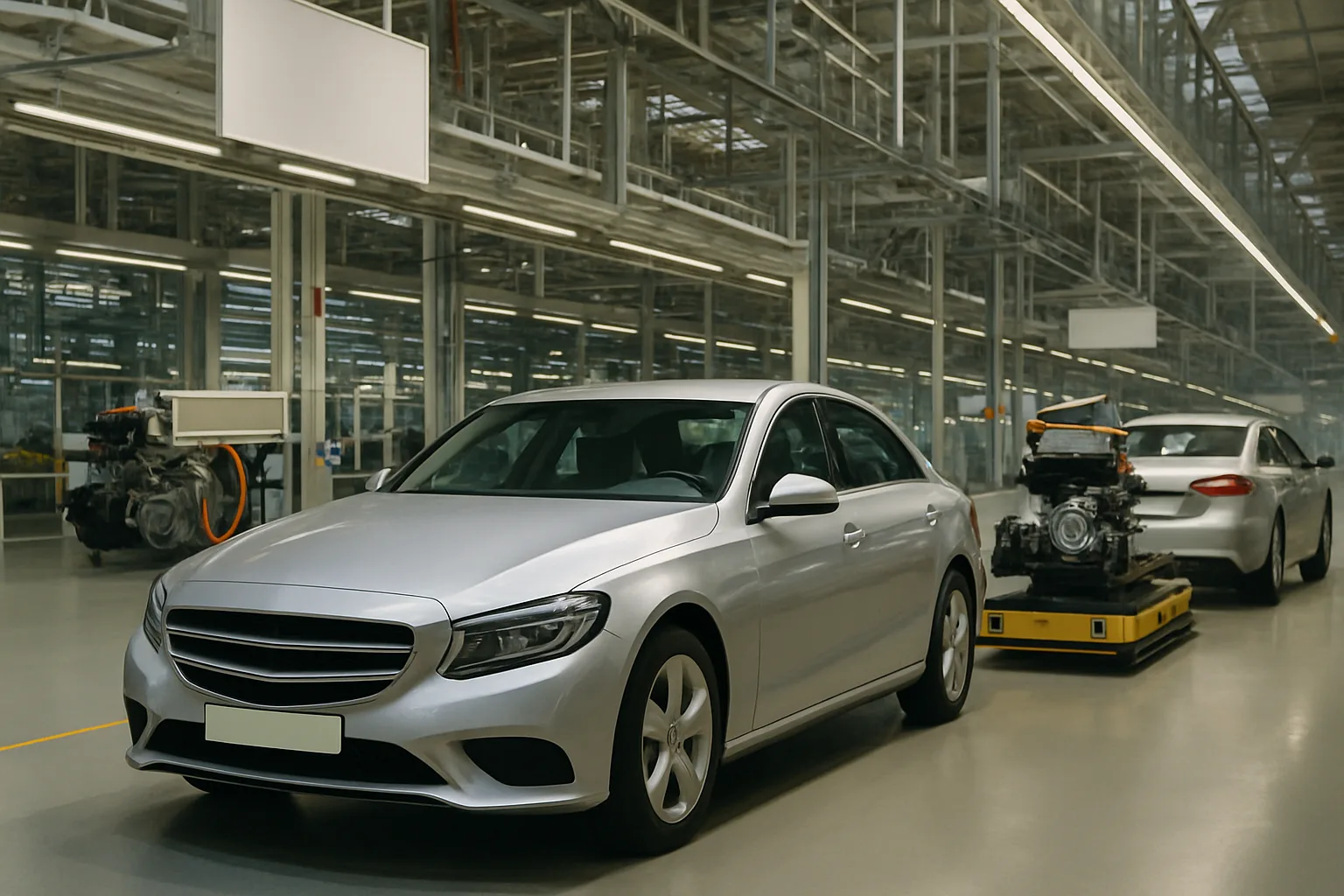
Daimler and Bosch have announced a significant increase in their joint venture’s electric engine production target, raising it from 1 million to 2 million units by 2020. This adjustment comes as the companies seek to accelerate the electrification of Daimler’s Smart and Mercedes-Benz brands, while also preparing to supply electric motors to other automakers through Bosch.
Daimler-Bosch Joint Venture Doubles Electric Engine Production Target
Background and Initial Rollout
The partnership between Daimler, a leading premium automaker, and Bosch, the world’s largest automotive supplier, was formalised the previous year. The joint venture was established specifically to develop and manufacture electric drive units for battery-powered vehicles. According to the revised plan, the first engines produced will be fitted to Daimler’s own electric models, with Smart and Mercedes-Benz set to receive the new motors. After this initial phase, Bosch intends to offer the electric engines to other manufacturers in the automotive sector.
Strategic Shift in Powertrain Supply
This development marks a notable shift in how European carmakers approach electric powertrain technology. Traditionally, automakers have designed and built their own engines, considering this a core area of expertise and a source of brand differentiation. By partnering with Bosch on electric motors, Daimler is moving away from its traditional approach and adopting a more collaborative strategy to speed up and reduce the cost of electrification.
Industry Alliances and Broader Trends
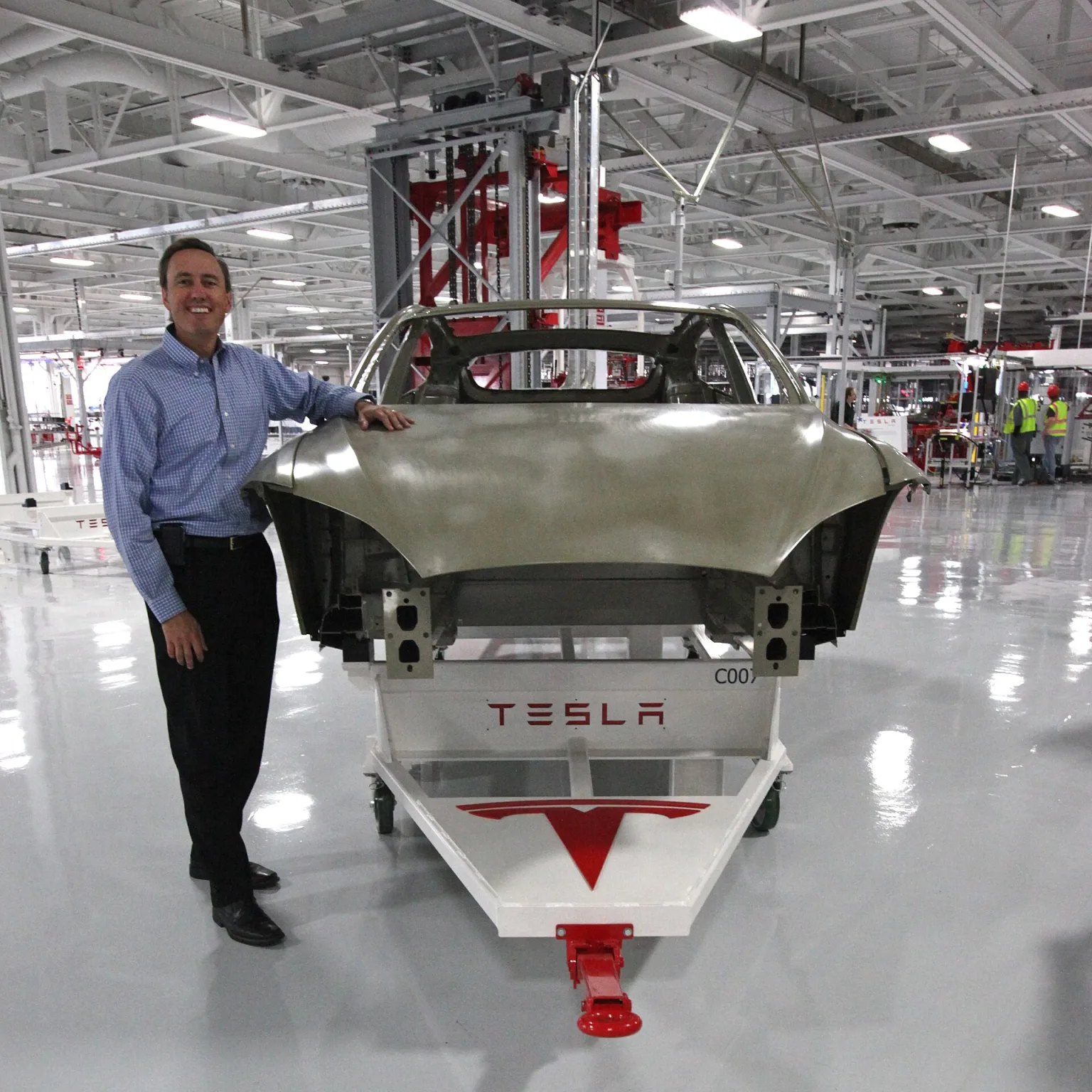
The decision to increase the production target reflects a wider trend of alliances in the electric vehicle sector. As battery-powered cars become more central to manufacturers’ future plans, companies are increasingly pooling resources and expertise. Daimler, for instance, has a battery manufacturing venture with German industrial conglomerate Evonik, a collaboration with French carmaker Renault on electric models, and a stake in electric sports car maker Tesla. In China, Daimler is involved in Denza, a joint electric vehicle brand with BYD.
Implications for the Supply Chain and Competitors
By scaling up production, the Daimler-Bosch joint venture positions itself as a major supplier of electric motors not just for Daimler, but for the broader automotive industry. This move could influence how other automakers approach their own electrification strategies, potentially encouraging them to either accelerate in-house development or seek similar partnerships. For suppliers, the increased focus on electric powertrain components comes as demand for internal combustion engines is expected to decline.
The higher production target also indicates confidence in the anticipated growth of electric vehicle sales during the remainder of the decade. With planned production capacity exceeding Daimler’s own requirements, the joint venture is positioned to benefit from the wider market transition towards electrification across Europe and beyond.
What It Means for Daimler and Bosch
For Daimler, the partnership with Bosch supports a faster rollout of electric vehicles across its portfolio, aligning with its broader product expansion plans. For Bosch, supplying electric motors to external clients strengthens its role as a leading technology supplier as the industry transitions away from combustion engines.
At the time of the announcement, no further technical details or production locations were disclosed. The companies have not specified which third-party manufacturers may use the motors, nor have they provided a breakdown of supply between Daimler’s brands and outside clients.