Suzuki and Intelligent Energy Form Fuel Cell Joint Venture
Suzuki Motor Corporation and UK-based Intelligent Energy have established a 50-50 joint venture to manufacture fuel cell systems for next-generation vehicles.
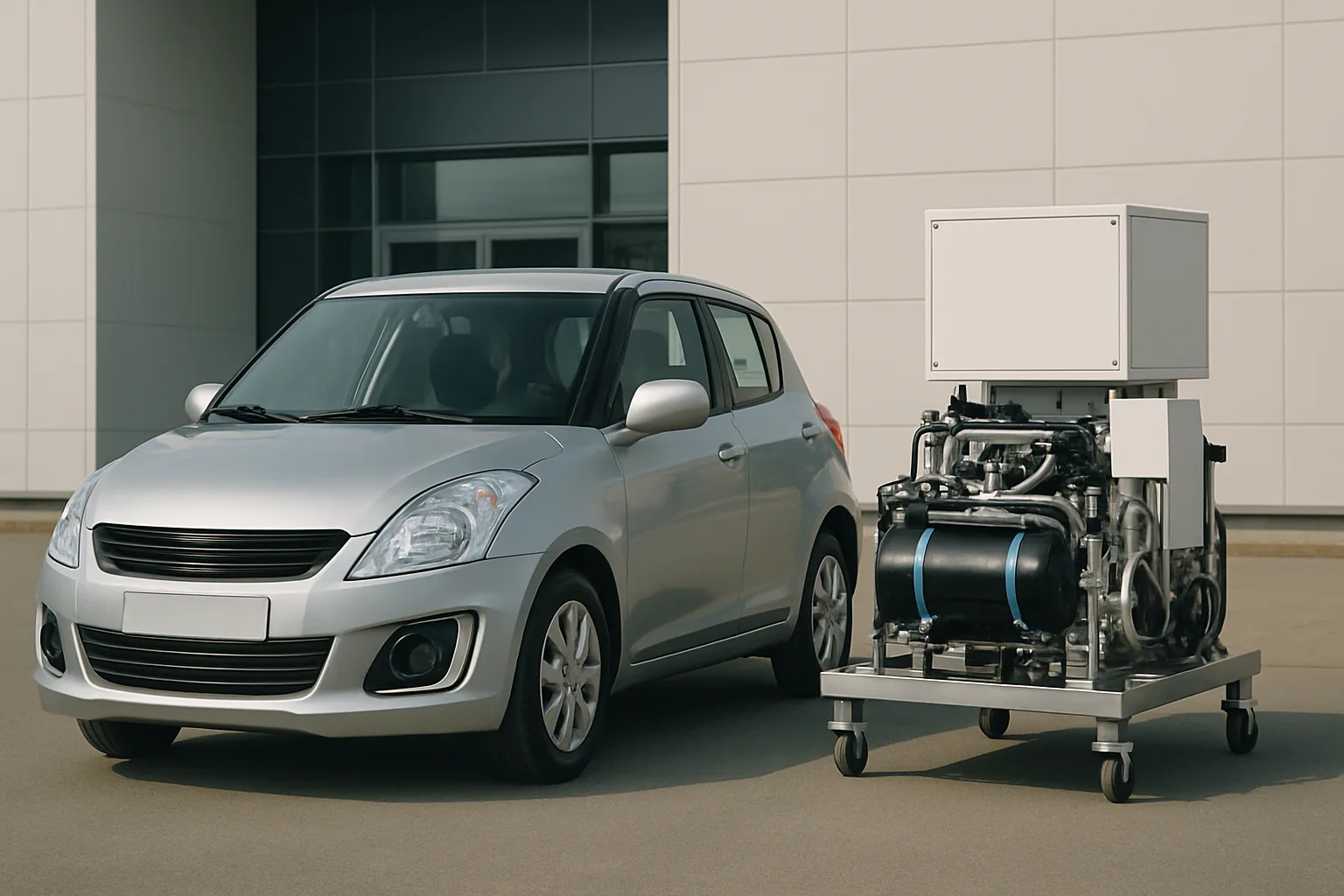
Suzuki Motor Corporation and Intelligent Energy have launched a new joint venture in Japan, aiming to accelerate the development and production of fuel cell systems for automotive use. The partnership, split equally between the Japanese manufacturer and the UK-based clean energy specialist, will operate under the name SMILE FC System Corporation.
Suzuki’s vice president and representative director, Osamu Honda, has been appointed president of the new company. According to the partners, the venture gives Suzuki direct access to Intelligent Energy’s fuel cell technology, which is intended for use in future Suzuki vehicles. By pooling resources, both firms expect to bring down development costs and move more quickly towards mass production of hydrogen fuel cell systems.
Focus on mass production and cost reduction
The new joint venture is intended to bridge the gap between laboratory-scale development and large-scale manufacturing of fuel cell systems. Suzuki aims to use the technology in its next generation of fuel cell vehicles, positioning itself alongside other carmakers exploring hydrogen as a route to lower emissions. Intelligent Energy’s CEO, Henri Winand, said the arrangement would help both companies scale up production while avoiding the high costs of in-house development.
The partnership reflects growing interest in fuel cell technology among global carmakers, though the market for hydrogen-powered vehicles remains limited by high costs and infrastructure challenges. Suzuki’s move follows similar efforts by Honda, Toyota and Hyundai, all of which have invested in fuel cell research and development. For comparison, Honda and GM have also partnered to develop a smaller, cheaper fuel cell stack, while Toyota has sought additional funding for its own hydrogen programme.
Market outlook and challenges
Despite stricter emissions regulations driving investment in alternative powertrains, commercial uptake of fuel cell vehicles remains slow. Market analysts and major energy firms such as BP and Exxon have forecast that electric vehicles, including hydrogen fuel cell models, will make up only a small percentage of the global car parc over the next two decades. High production costs and the need for hydrogen refuelling infrastructure continue to limit wider adoption.
- Honda and GM's Fuel Cell Partnership Yields Smaller, Cheaper Stack (/fuel-cell-partnership-between-honda-and-gm-continues-to-make-advancements)
- Toyota plans ¥500bn share issue to fund fuel cell research (/toyota-seeks-additional-funding-for-fuel-cell-research)
- Hyundai to Unveil New Hydrogen Fuel Cell SUV in 2017 (/report-hyundai-developing-all-new-fuel-cell-model-to-be-showcased-in-2017)
For Suzuki and Intelligent Energy, the joint venture is a step towards making fuel cell technology commercially viable for mainstream vehicles. The success of SMILE FC System Corporation will depend on its ability to deliver cost-effective systems at scale and on broader progress in hydrogen infrastructure.