

Daimler breaks ground on major German battery plant
Mercedes-Benz parent Daimler has begun construction of a large lithium-ion battery factory in Kamenz, Germany, aiming to boost EV production from late 2018.
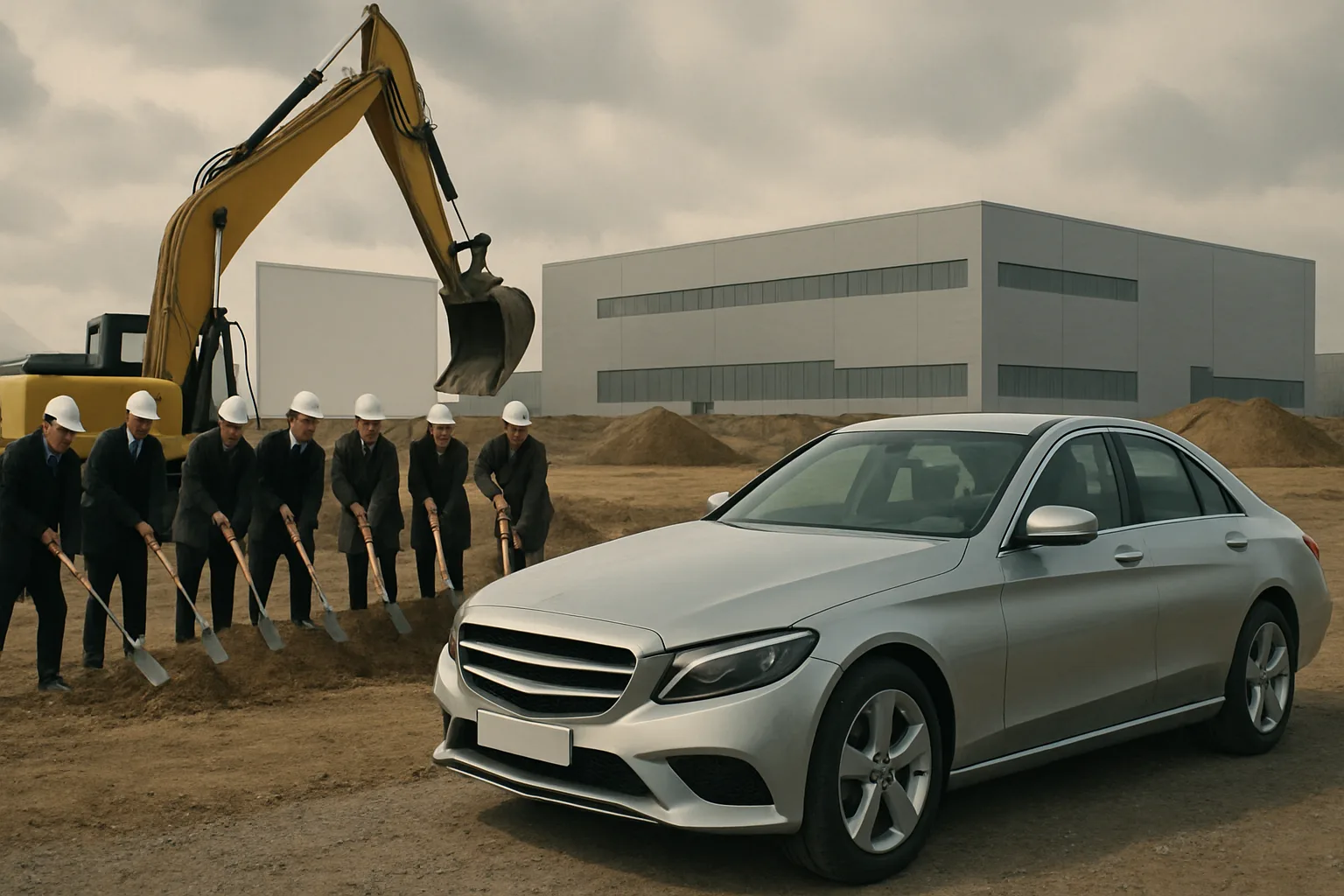
Daimler AG has started construction on a new lithium-ion battery factory in Kamenz, Germany, as part of its plan to expand electric vehicle production. The company expects the facility to begin operations in late 2018, supporting its strategy to bring more than ten pure electric Mercedes-Benz models to market by 2022.
The Kamenz facility, roughly 50 kilometres from Dresden, will cover nearly 50 acres and sits close to Daimler’s existing battery plant in the region. Company statements indicate that the new site will quadruple battery production capacity once operational. The ground-breaking ceremony included using a vehicle battery casing as the foundation stone, underlining the plant’s intended role at the centre of Daimler’s electric vehicle push.
Daimler’s response to Tesla’s Gigafactory
Daimler’s decision follows Tesla’s move to build its Gigafactory in Nevada, which is also expected to reach full capacity in 2018. Both companies see in-house battery production as key to securing supply and managing costs for future electric vehicles. The Kamenz plant is a direct response to the growing demand for batteries and the need for European manufacturers to control their own supply chains.
- Tesla’s Gigafactory in Nevada targets global battery leadership.
- Volkswagen has also announced plans for its own battery plant.
- Asian suppliers such as Samsung SDI remain major players in the sector.
Daimler’s investment in Kamenz is part of a wider trend among European and global carmakers to localise battery production. Volkswagen has revealed similar intentions, and Asian suppliers continue to expand their European footprint. Controlling battery output is seen as vital for meeting emissions targets and supporting the roll-out of new electric models.
Implications for jobs and EV strategy
The Kamenz plant is expected to create new jobs in Saxony and strengthen Daimler’s supply chain for electric vehicles. By increasing local battery production, Daimler aims to reduce reliance on external suppliers and accelerate the launch of its next generation of electric cars. The company has previously stated its intention to offer more than ten fully electric passenger models in series production by 2022.
The move puts Daimler in direct competition with Tesla, which has already begun ramping up Model 3 battery output at its Nevada facility. As the market for electric vehicles grows, battery production capacity will remain a central focus for manufacturers planning to scale up their electric offerings.



