Daimler commits $3.3bn to clean diesel engine overhaul
Daimler will invest $3.3 billion by 2019 to upgrade diesel engines and emissions systems across its Mercedes-Benz range to meet stricter European standards.
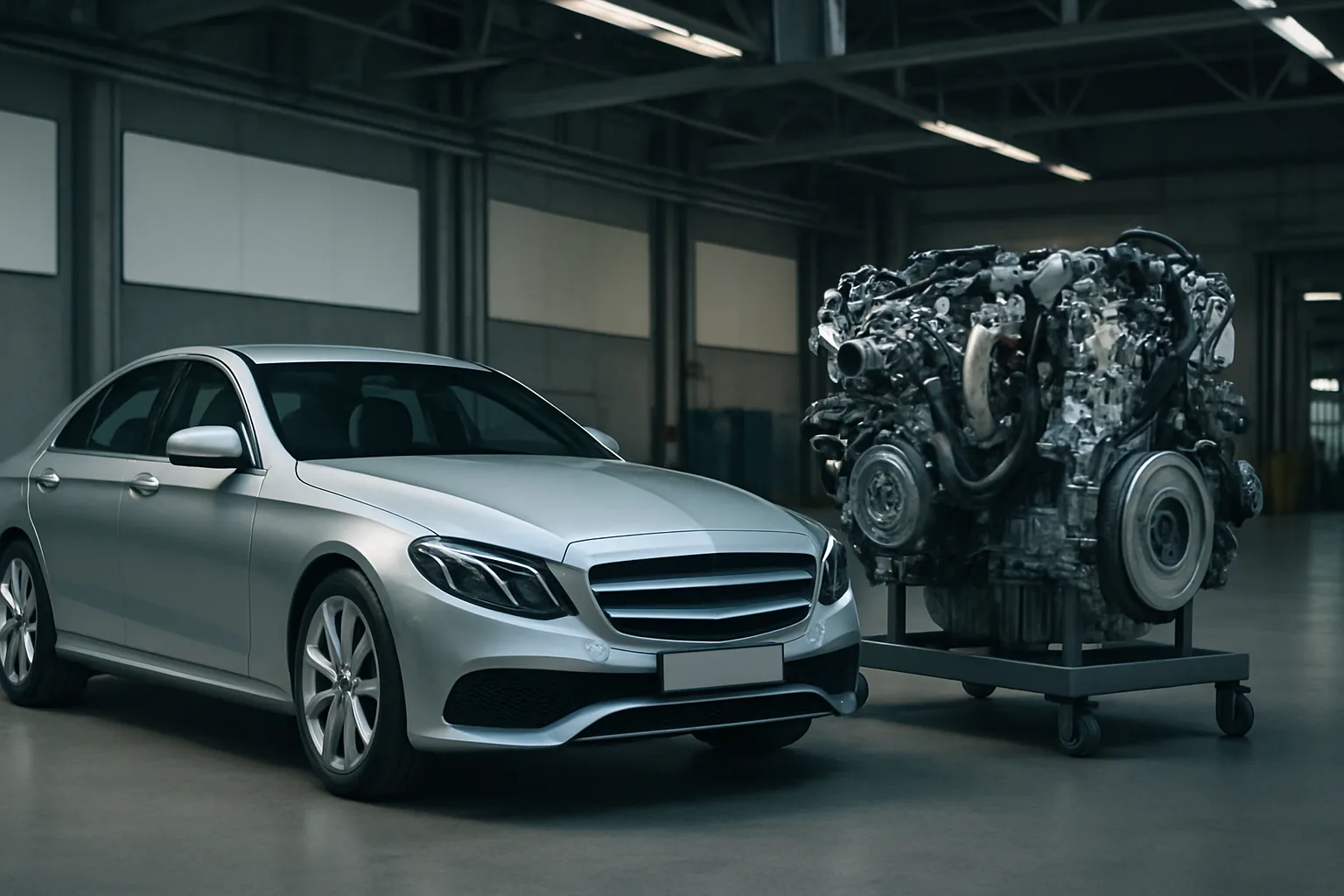
Daimler has confirmed a $3.3 billion investment to develop cleaner diesel technology for its Mercedes-Benz passenger cars, targeting compliance with tougher European emissions standards by 2019. The spend includes $2.9 billion previously announced for next-generation diesel engine development, with the remainder allocated to upgrading emissions treatment systems and software across the existing model range.
The programme will see Daimler roll out selective catalytic reduction (SCR) technology to all Mercedes-Benz diesel cars in Europe, expanding its use from larger models to the smaller, front-wheel-drive compacts. SCR systems, which require AdBlue injection, are designed to cut nitrogen oxide (NOx) emissions and are a key requirement under the latest European regulations. Previously, only larger Mercedes-Benz models were equipped with SCR units, while smaller cars used less advanced NOx traps.
Beyond SCR, Daimler will upgrade turbocharging, fuel injection and intercooling across its diesel line-up. The company also plans to use new materials that allow exhaust-gas recirculation systems to operate more effectively at low temperatures, further reducing NOx output during cold starts and urban driving. In parallel, particulate filters will become standard on all Mercedes-Benz petrol engines, reflecting tightening particulate standards for direct-injection petrol units.
Software updates and recalls
Daimler’s investment covers both hardware changes and software updates for existing vehicles. The company has announced a programme to update engine management software on certain Mercedes-Benz diesel models, aiming to bring older vehicles closer to the latest emissions performance without major mechanical changes. This approach mirrors actions taken by other German carmakers following scrutiny of diesel emissions testing and regulatory pressure across Europe.
The group has also set aside $561 million in 2016 for recalls related to Takata airbag inflators, with around 200,000 vehicles in the US and Canada to be recalled by the end of 2019. Daimler said this was a precautionary measure and that it was not aware of any incidents involving its vehicles at the time of the announcement.
Context: diesel investment and regulation
Daimler’s clean diesel push comes as European regulators step up enforcement of real-world emissions limits, particularly for NOx. The investment is intended to ensure Mercedes-Benz diesel models remain viable in the market as rules tighten and scrutiny of diesel technology intensifies. Other manufacturers, including Audi and Volkswagen, have also expanded investment in emissions technology and compliance following regulatory action and high-profile scandals.