Mercedes to Offer Diesel Engine in 2010 SLK Roadster
Mercedes-Benz will introduce a four-cylinder diesel engine option for the 2010 SLK, using the 2.2-litre unit from the C250 CDI to target lower emissions and improved efficiency.
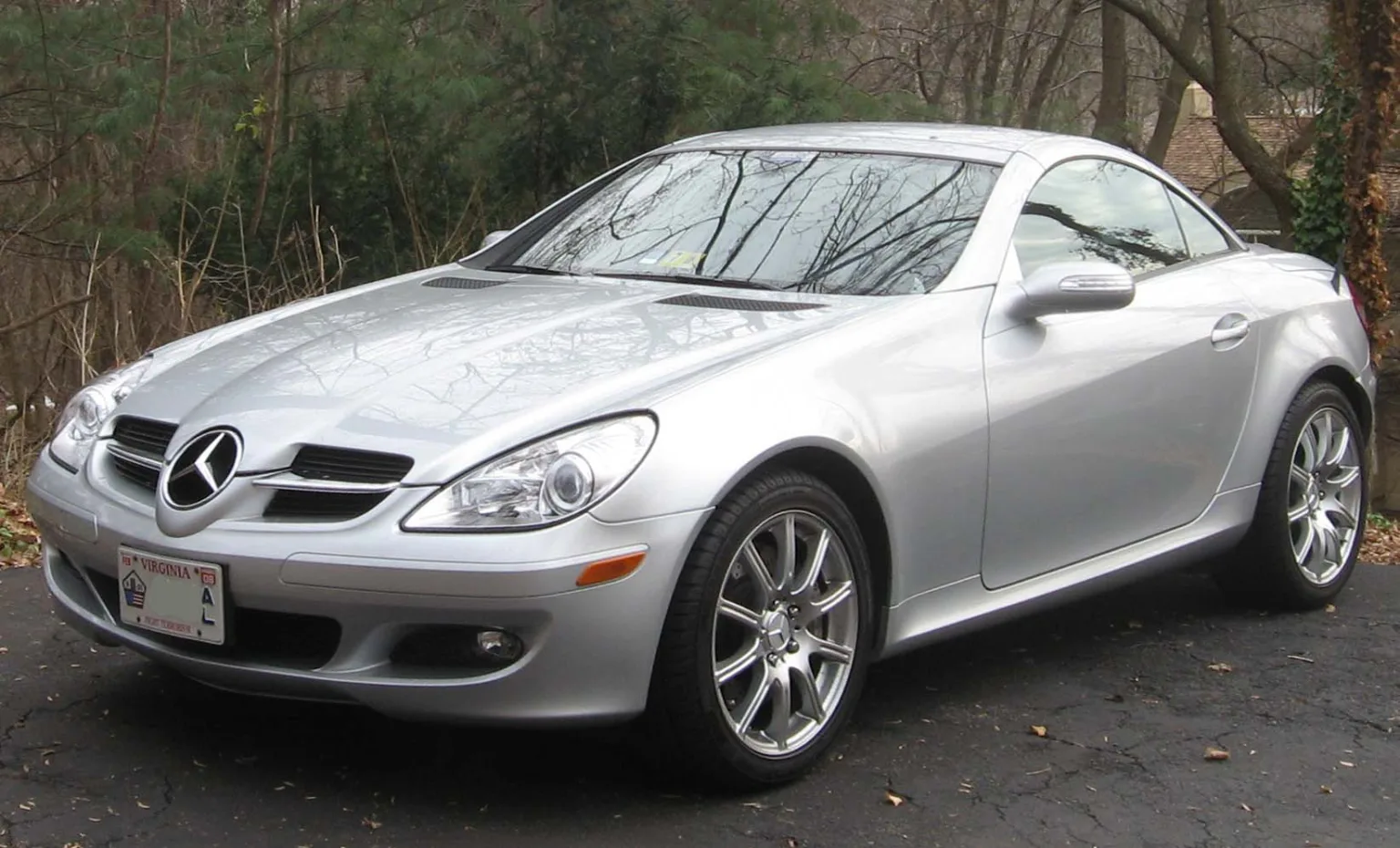
Mercedes-Benz will add a diesel engine to the SLK roadster for the 2010 model year, marking the first time the compact convertible is offered with a diesel option. The new engine is the 2.2-litre four-cylinder unit recently launched in the C250 CDI, producing 204 hp and 500 Nm of torque.
According to sources within Mercedes, the diesel SLK will use the same BlueEFFICIENCY technology as the C-Class, aiming to combine strong performance with lower fuel consumption and CO2 emissions. In the C250 CDI, this engine delivers 0-100 km/h in 7 seconds and an official combined fuel consumption of 5.2 litres per 100 km, with CO2 emissions at 138 g/km. Mercedes expects the lighter SLK to improve slightly on both figures, with acceleration under 7 seconds and average consumption dipping below the C-Class benchmark.
Diesel technology moves into sportier segments
The decision to fit a diesel engine in the SLK follows Mercedes’ wider strategy to expand diesel availability beyond saloons and estates. The company has invested heavily in clean diesel technology, as seen in the BlueEFFICIENCY programme, and is now targeting buyers seeking a blend of performance and efficiency in a roadster format. The 2.2-litre engine’s high torque output is likely to appeal to drivers looking for strong in-gear acceleration without the running costs of a petrol model.
The move brings the SLK in line with other Mercedes models that have adopted diesel powertrains to meet stricter European emissions targets and changing buyer preferences. It also puts the SLK in a small group of compact convertibles offering a diesel option, giving Mercedes an edge in markets where diesel remains popular for its efficiency and lower CO2-based taxation.
What this means for buyers and rivals
For buyers, the diesel SLK promises reduced running costs without a major sacrifice in performance. With the 2.2-litre engine, drivers can expect brisk acceleration and high motorway cruising ability, paired with fuel economy figures previously unseen in the segment. The move is also likely to prompt rivals to consider similar offerings, as diesel technology gains ground in sectors once dominated by petrol engines.
Further details on pricing and market availability will be announced closer to launch. For context on Mercedes’ broader diesel strategy, see the company’s investment in clean diesel technology detailed here: /daimler-to-invest-3-3-billion-in-clean-diesel-technology.