Carmakers Rethink Expanding Model Ranges as Complexity Bites
Manufacturers have flooded showrooms with variants and niches, but the sheer volume of choice is now under scrutiny as costs rise and buyers hesitate.
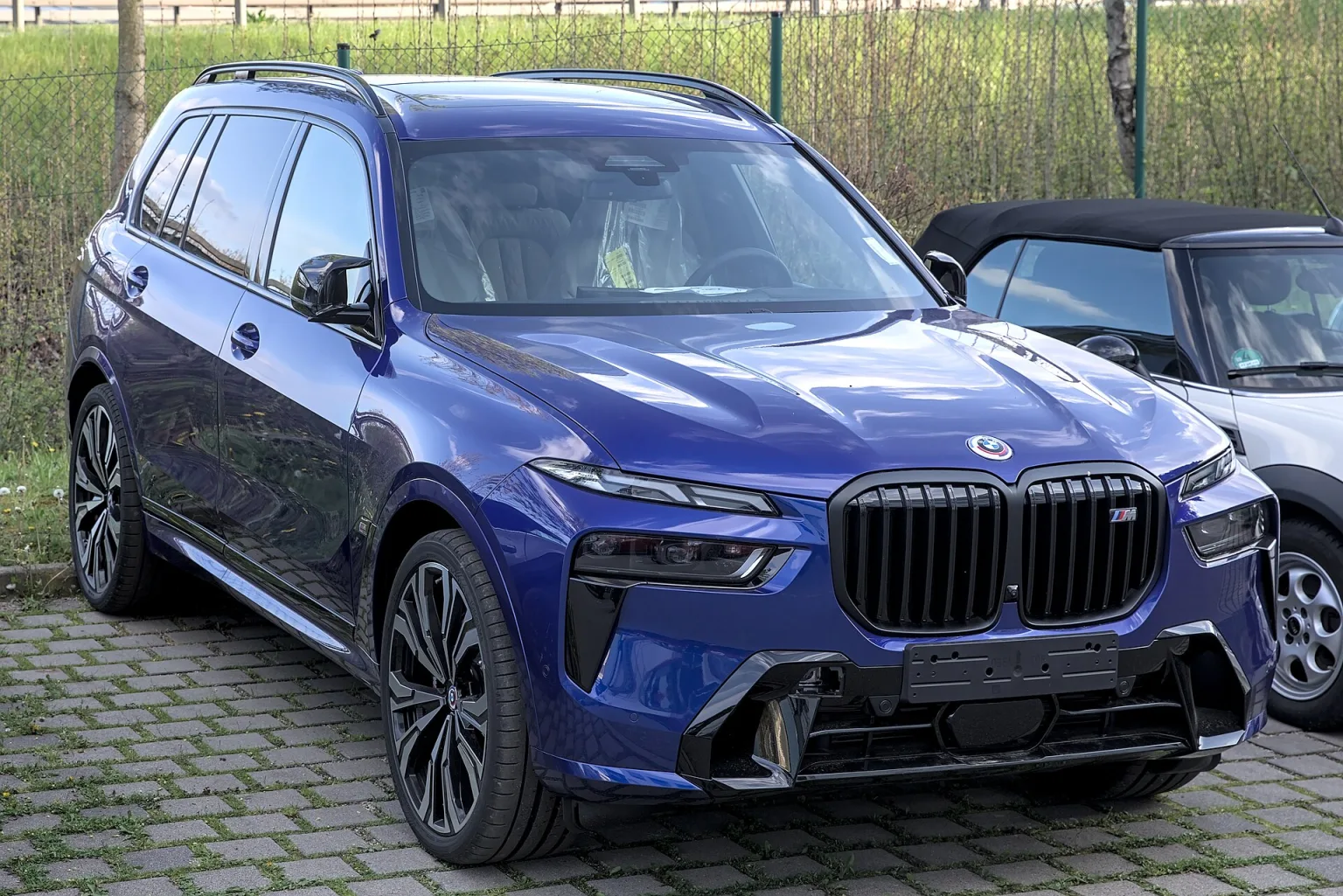
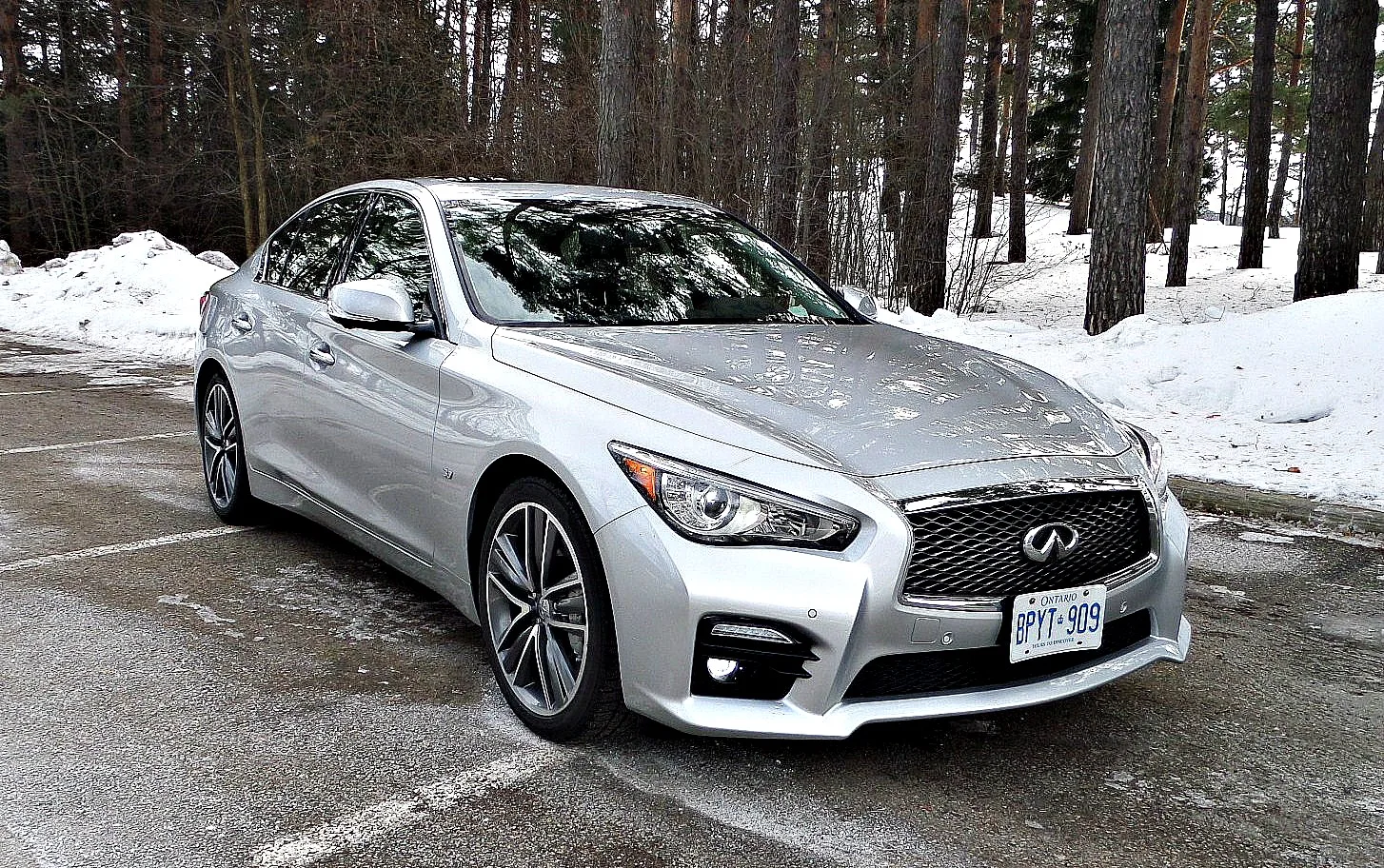
In 2014, car buyers faced a bewildering array of options. German brands, led by Porsche, BMW and Audi, had expanded their model lineups by around 25 percent in the preceding years, according to industry analysts. Porsche alone offered 22 distinct versions of its core 911, not counting further customisation. The trend was mirrored across the market, with manufacturers inventing new niches and variants to chase every possible customer preference.
The logic was simple: more choice meant a better chance of matching a buyer’s needs. In practice, the proliferation of models and equipment lists began to overwhelm many customers, who found the process of specifying a new car increasingly complex. The problem extended beyond the showroom. For manufacturers, each additional variant brought higher production costs, more complex logistics and longer lead times. Consultancies such as PwC warned that the strategy was becoming a handicap, not just for buyers but for carmakers themselves.
Why manufacturers expanded their ranges
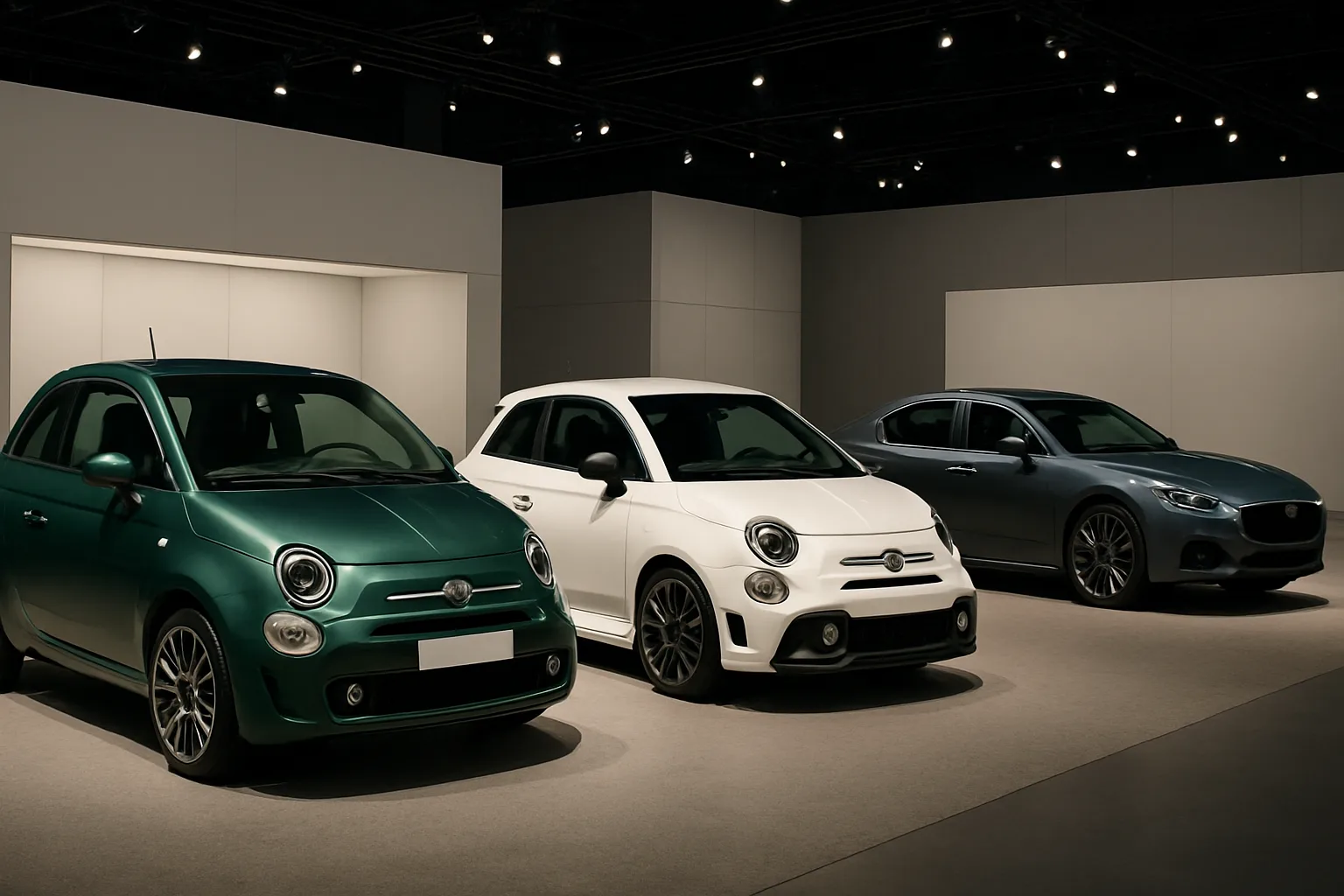
The push for ever more variants started as a way to grow market share and fill every possible gap between traditional segments. SUVs blurred into crossovers, estates gained coupe rooflines, and saloons were offered in multiple wheelbase lengths. Luxury and premium brands led the charge, but mainstream manufacturers followed, keen to capture customers who might otherwise look elsewhere.
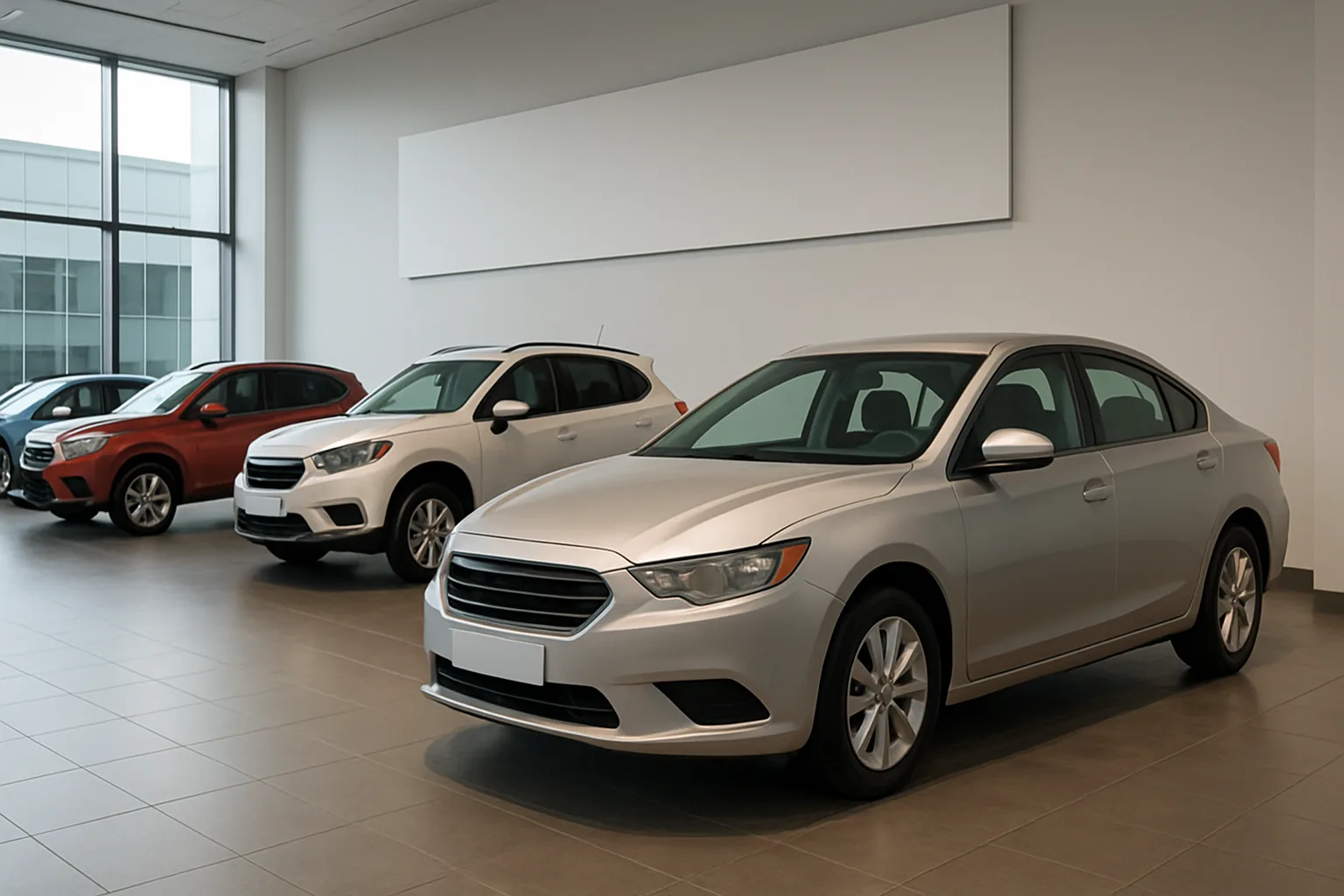
This approach was not without results. Buyers could find models tailored to almost any preference, whether it was a high-performance estate or a crossover with off-road styling. But as lineups ballooned, the cost of maintaining so many options began to erode margins. Production lines had to be reconfigured more often, suppliers faced smaller batch sizes, and dealers struggled to keep up with inventory and training.
The impact on buyers and the industry
For buyers, the sheer number of choices could become paralysing. Deciding between near-identical crossovers or specifying equipment from extensive option lists often added weeks to the purchase process. Some customers reported that too much choice led to indecision rather than satisfaction. Dealers, too, found it harder to guide buyers through the process, especially as digital sales channels became more prominent.
By 2014, analysts at PwC predicted that the trend towards ever-wider lineups would slow. Carmakers were beginning to shift focus and investment towards new technologies, including connected and autonomous vehicles, rather than adding yet more variants. The expectation was that the number of options would plateau as manufacturers sought to control costs and streamline production.
Looking ahead: fewer variants, more technology
The industry’s move towards electrification and software-driven features may further reduce the appetite for endless physical variants. As manufacturers invest in new powertrains and digital services, the business case for maintaining sprawling model ranges weakens. Some brands have already begun to trim back their lineups, focusing on core models and higher-value options rather than chasing every niche.
For buyers, this could mean a simpler, more focused choice when ordering a new car. For manufacturers, it is a chance to cut complexity, reduce costs and concentrate on the technologies that will define the next generation of vehicles.