Dodge Challenger SRT Hellcat Reimagined as Shooting Brake
Digital renderings transform the Dodge Challenger SRT Hellcat into a shooting brake, blending American muscle with a practical estate silhouette for a new take on the 707hp coupe.
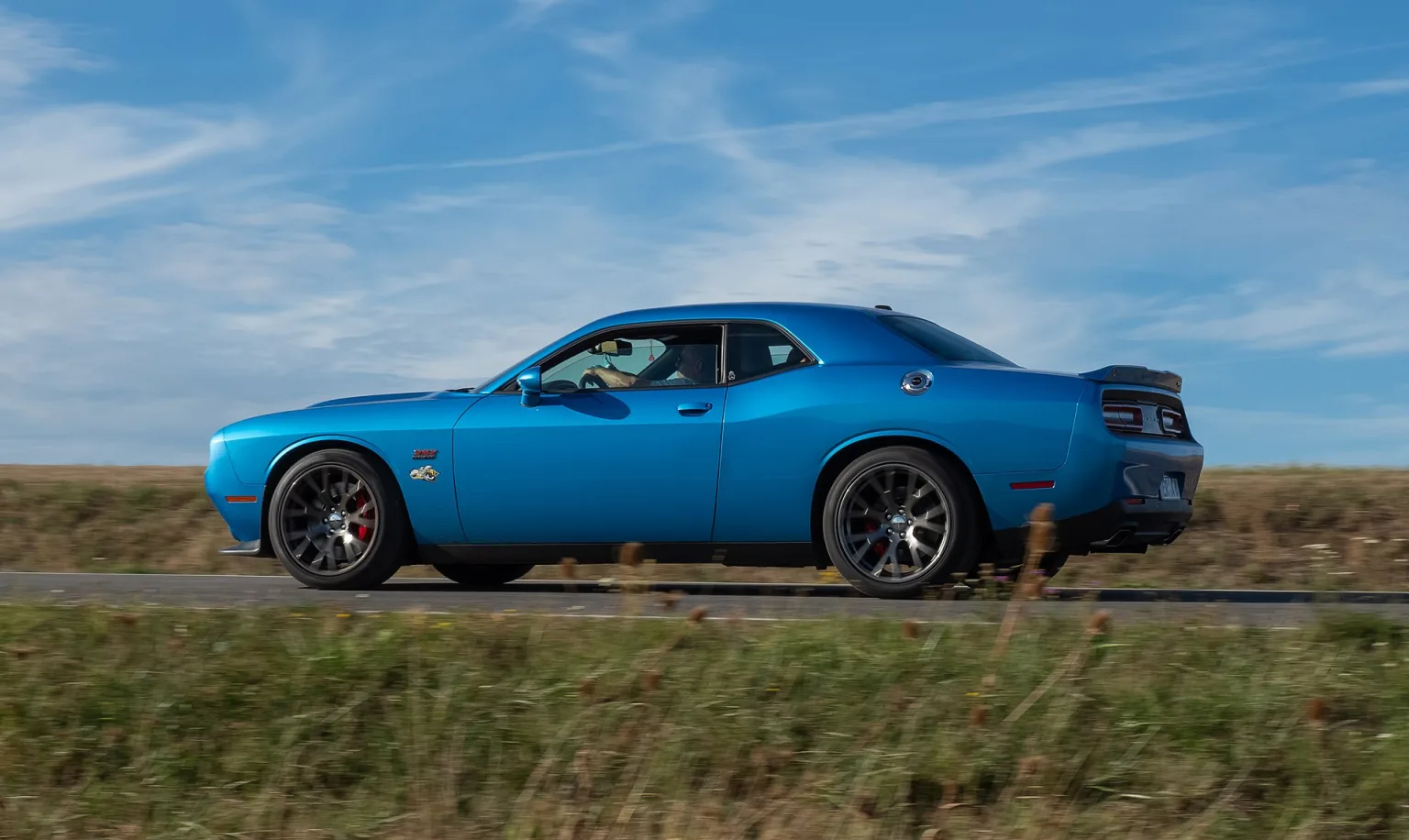
Digital artist Theophilus Chin has reimagined the Dodge Challenger SRT Hellcat as a shooting brake, blending American muscle with a body style more commonly associated with European performance estates. These renderings, which appeared online in September 2014, give the iconic coupe a fresh silhouette while maintaining its unmistakable front end and mechanical prowess.
Introduction: A New Take on the Challenger SRT Hellcat
The Shooting Brake Concept Explained
A shooting brake is a two-door estate or wagon, a format that has found favour in Europe among brands like Aston Martin and Ferrari. These cars combine sporty styling and performance with increased cargo space, resulting in a unique blend of practicality and panache. Theophilus Chin’s renderings place the Challenger SRT Hellcat into this tradition, envisioning it as a two-door estate with a hatchback-style rear and an elongated roofline. The result is a car that suggests greater versatility without sacrificing the muscular stance that defines the Challenger.
Design Details: From Coupe to Shooting Brake
The renderings keep the familiar aggressive front of the Challenger SRT Hellcat intact. The transformation begins at the B-pillar, where the roofline is extended and slopes gently towards the rear, forming a coupe-like hatchback. The rear hatch replaces the standard boot, hinting at extra space for luggage or even a pet. Despite the new bodywork, the car remains a two-door, preserving the sporty proportions that muscle car fans expect. The visual changes are purely conceptual, as Dodge has never produced a Challenger estate or shooting brake, and there are no plans to do so.
Performance: Hellcat Power Remains Unchanged
Under the bonnet, the Challenger SRT Hellcat shooting brake render keeps the same formidable powertrain as the production coupe. The 6.2-litre supercharged HEMI V8 produces 707hp (527kW) and 880Nm (650 lb-ft) of torque. This engine made the Hellcat the most powerful production Challenger ever when it launched in 2014. Dodge claimed a 0–100km/h (62mph) time of under four seconds and a top speed of 320km/h (199mph), figures that remain unchanged in the digital concept. The focus of the render is entirely on the revised bodywork rather than any mechanical alterations.
Market Context and Production
The Dodge Challenger SRT Hellcat arrived in 2014 as a new benchmark for American muscle cars. With a starting price just under $60,000 in the United States and production limited to about 1,200 units for the first year, it quickly attracted enthusiasts seeking maximum power in a classic coupe design. The shooting brake renderings are strictly digital concepts and do not indicate any plans by Dodge to expand the Challenger range into estate territory. For those wanting practicality combined with Hellcat performance, the Charger SRT Hellcat saloon remains the closest official alternative, offering four doors and a larger boot while retaining the same engine.
Shooting Brakes in Automotive History
Shooting brakes have a long if niche, history in the automotive world. Traditionally, they were bespoke vehicles built for hunting parties, but over time, they evolved into stylish estates with sporting credentials. Brands such as Aston Martin, Ferrari, and even Mercedes-Benz have offered shooting brake models, often in limited numbers. The Challenger SRT Hellcat shooting brake render taps into this tradition, showing how an American muscle car could fit into a segment usually dominated by European marques. While unlikely to reach production, the concept demonstrates the versatility of the Challenger’s design and the enduring appeal of the shooting brake format.
Summary Table: Challenger SRT Hellcat Coupe vs Shooting Brake Render
| Feature | Challenger SRT Hellcat (Coupe) | Challenger SRT Hellcat (Shooting Brake Render) |
|---|---|---|
| Body Style | Two-door coupe | Two-door shooting brake (estate) |
| Engine | 6.2-litre supercharged V8 | 6.2-litre supercharged V8 |
| Power Output | 707hp / 880Nm | 707hp / 880Nm |
| 0–100km/h | Under 4 seconds | Under 4 seconds (unchanged) |
| Top Speed | 320km/h (199mph) | 320km/h (199mph) |
| Production | Limited to 1,200 units (2014) | Digital concept only |
| Rear Cargo Space | Standard boot | Estate-style rear hatch (increased space) |