Driving assistance systems risk fuelling driver distraction
Features like lane keeping and adaptive cruise control are easing workloads but may be encouraging drivers to take more risks behind the wheel.
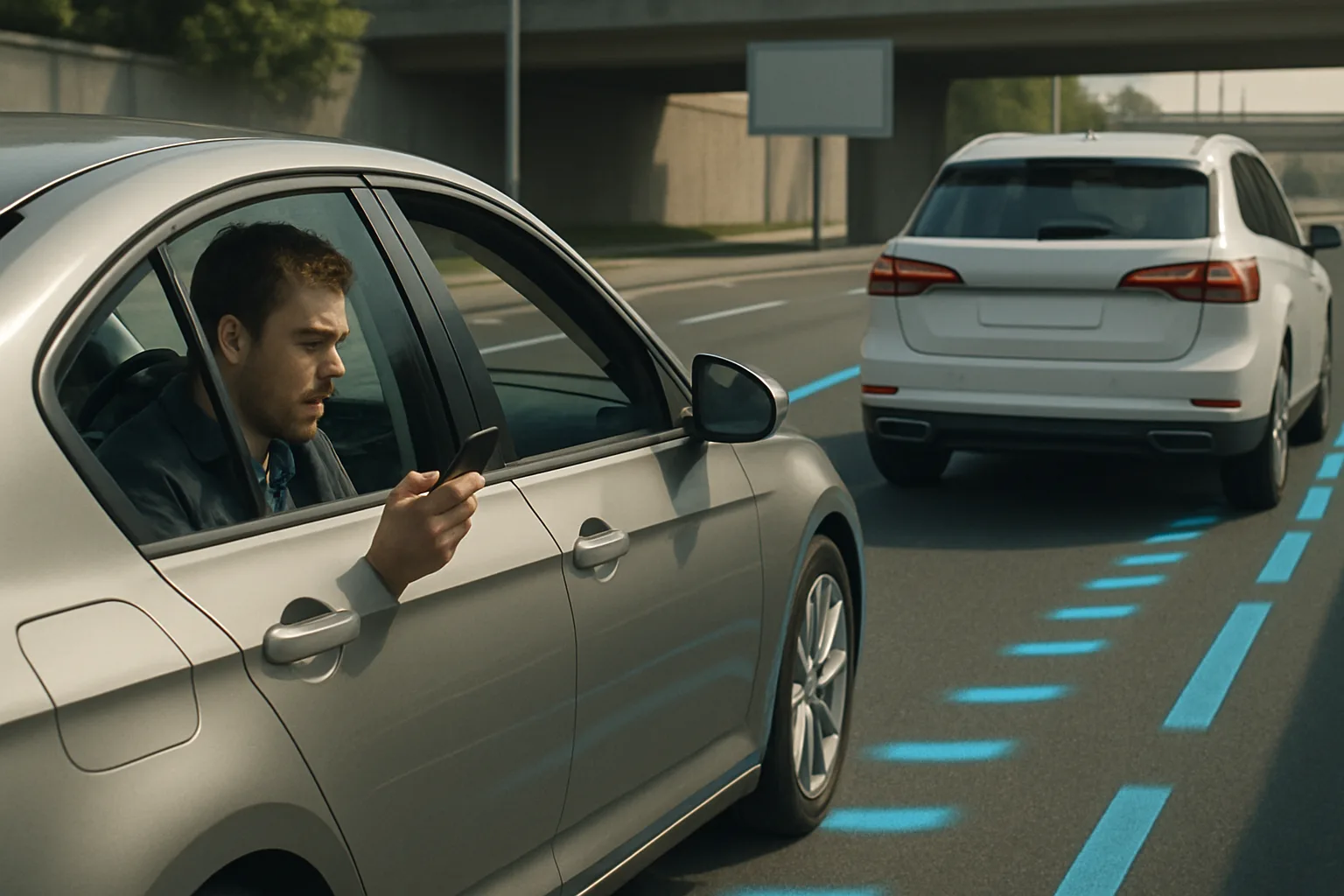
Advanced driver assistance systems are becoming standard across new vehicles, but safety researchers and insurers are warning that these technologies may be encouraging riskier behaviour behind the wheel. Features such as lane keeping assist, adaptive cruise control and collision warnings are designed to reduce accidents, yet there is growing evidence that some drivers are using the extra margin to focus on their smartphones or other distractions.
In the US, government statistics attribute around 16 percent of vehicle accidents to distracted driving, compared to just three percent for speeding. Despite this, the majority of traffic enforcement still targets speeders rather than those using phones at the wheel. Surveys from mobile providers suggest that up to two-thirds of drivers admit to texting while driving, with significant numbers also browsing social media, surfing the web or even recording videos on the move.
Assisted driving and driver behaviour
The promise of driver assistance is to make motoring safer and less stressful, but the reality is more complex. Lane keeping assist warns or intervenes if a driver drifts out of lane, while adaptive cruise control maintains a set distance from the car ahead. Both systems can reduce workload, especially on long motorway journeys. Yet, by lowering the perceived demands of driving, they may tempt some users to pay less attention to the road. This risk is likely to increase as more semi-autonomous features reach mainstream models.
Manufacturers have positioned these systems as a bridge to future autonomous vehicles. But unlike fully self-driving cars, current assistance technologies still require the driver’s full attention and readiness to take control at any moment. The gap between expectation and reality can be dangerous if drivers overestimate what the technology can do.
Regulation and enforcement lag behind
While speeding remains a focus for enforcement, distracted driving is harder to police. Tickets for texting at the wheel are a fraction of those issued for speed, even as phone-related crashes rise. Some safety advocates argue that without stronger enforcement and better public education, the benefits of driving assistance could be undermined by complacency and misuse. For more on regulatory responses to new vehicle technology, see US Regulator Eyes Bigger Role as Car Tech Advances.
As semi-autonomous features spread across the market, the challenge for manufacturers and regulators is to ensure that technology supports safe driving habits, rather than enabling new forms of distraction.