DTM Drivers Say They Do Not Miss Formula One Careers
Dani Juncadella and Timo Glock, both former F1 drivers, describe why they prefer the challenge and opportunities of DTM over a return to Grand Prix racing.
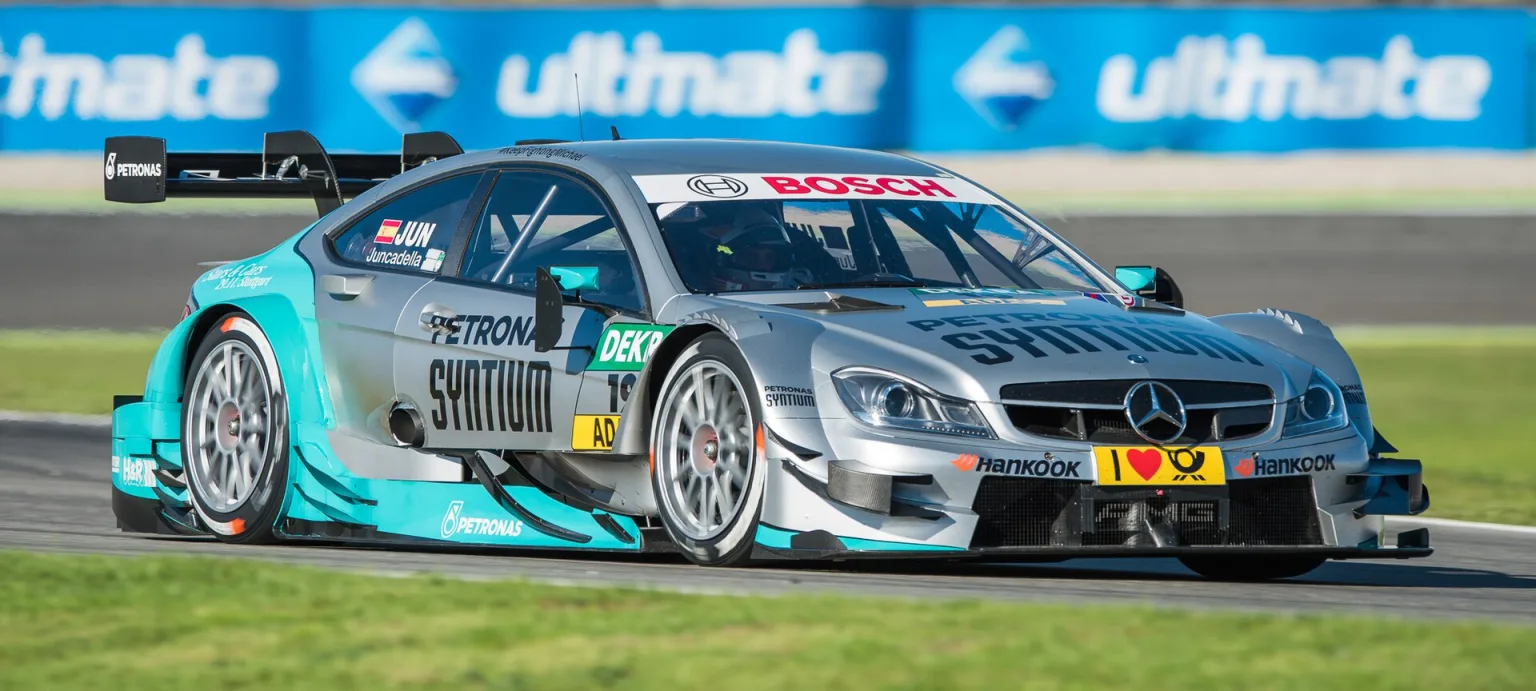
Dani Juncadella and Timo Glock, both of whom have experienced Formula One, have made it clear they do not wish to return to Grand Prix racing. Juncadella, who tested for Williams and Force India in 2013 and 2014, now races for Mercedes in the DTM. Glock, after multiple seasons in F1 with Toyota and Marussia, has established himself in BMW’s DTM line-up.
Juncadella said that his time around F1 teams changed his view of the sport. He explained that while F1 appears glamorous from the outside, the reality for most drivers is a constant struggle for survival, with only a handful able to race at the front. He now sees more value in competing in DTM, where he feels every driver has a fairer chance to demonstrate their ability over the season.
Glock, who made the switch to DTM after his F1 career, pointed out that the German touring car series presents a different kind of challenge. He argued that the competition is often closer in DTM, with small details making the difference between winning and finishing well down the order. Glock contrasted this with F1, where car performance gaps can allow a damaged car to still finish on the podium, as seen in races such as the 2015 Chinese Grand Prix.
Drivers value DTM competition and atmosphere
Juncadella highlighted that DTM allows drivers to showcase their potential more often, rather than being limited by machinery or team politics. He also admitted that he no longer finds F1 races compelling to watch, describing recent Grands Prix as predictable, with dominant teams often escaping at the front. This perception of a lack of real competition in F1, compared to the more level playing field in DTM, is a recurring theme among drivers who have made the switch.
Glock’s comments underline the technical demands of DTM, where set-up, tyre management and fine margins are crucial. The series’ format, with identical cars for each manufacturer and tight regulations, means that small mistakes are punished and consistent performance is rewarded. This environment appeals to drivers who want to prove themselves directly against their peers, rather than relying on team budgets or development arms-races.
Context: DTM as an F1 alternative
The experiences of Juncadella and Glock echo those of other drivers who have left or been unable to secure long-term F1 seats. While Formula One remains the highest-profile series, DTM offers a professional environment, strong manufacturer backing and a competitive grid. For drivers unable or unwilling to accept a backmarker role in F1, DTM represents a viable and rewarding alternative.
For further perspectives on the challenges of building a career in Formula One, seeSam Bird says lack of funding blocked Formula One career.