Ecclestone calls current Formula One a “crap product”
Bernie Ecclestone has criticised Formula One’s hybrid era, blaming complex regulations and predictable races for falling public interest in 2015.
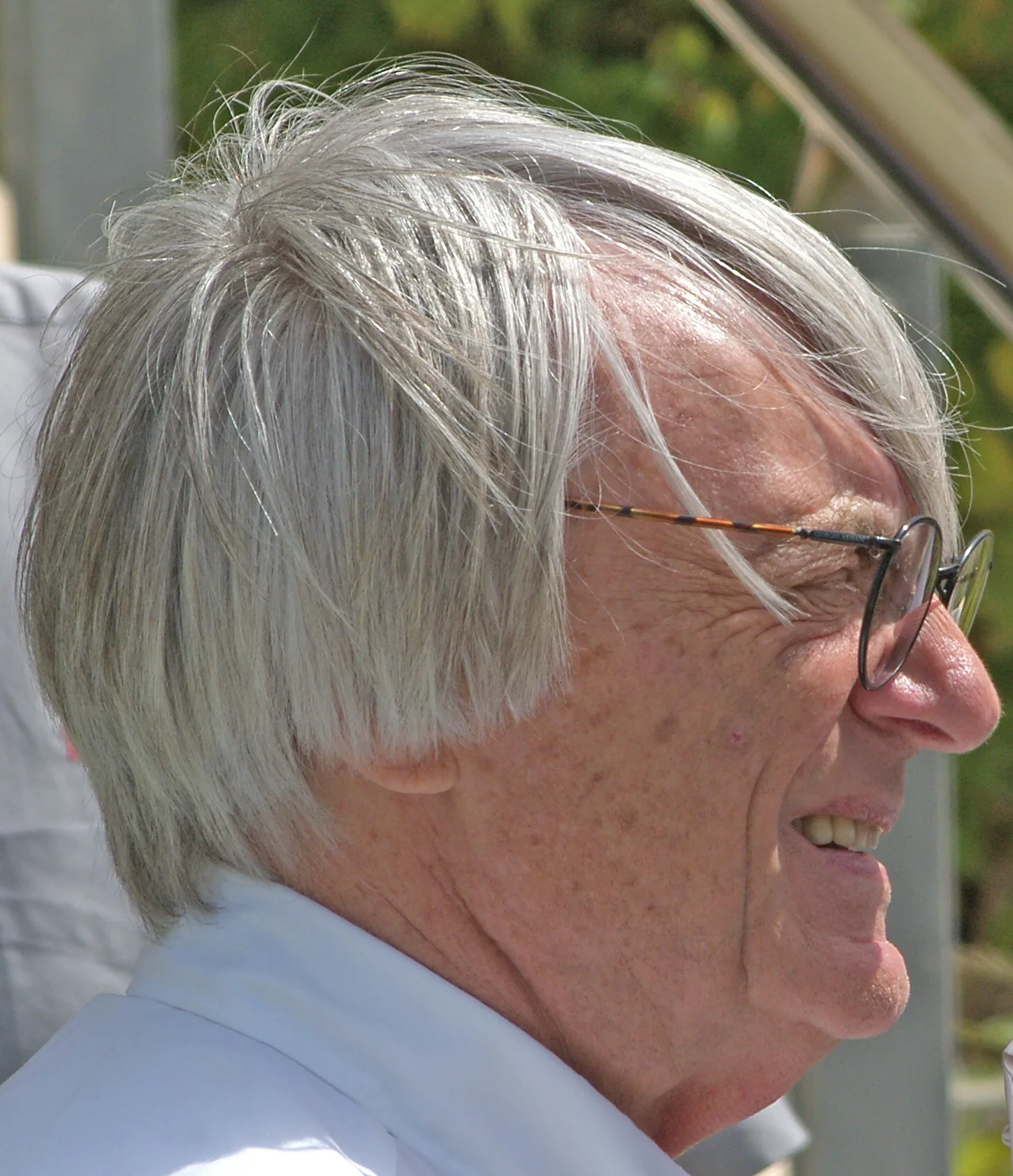
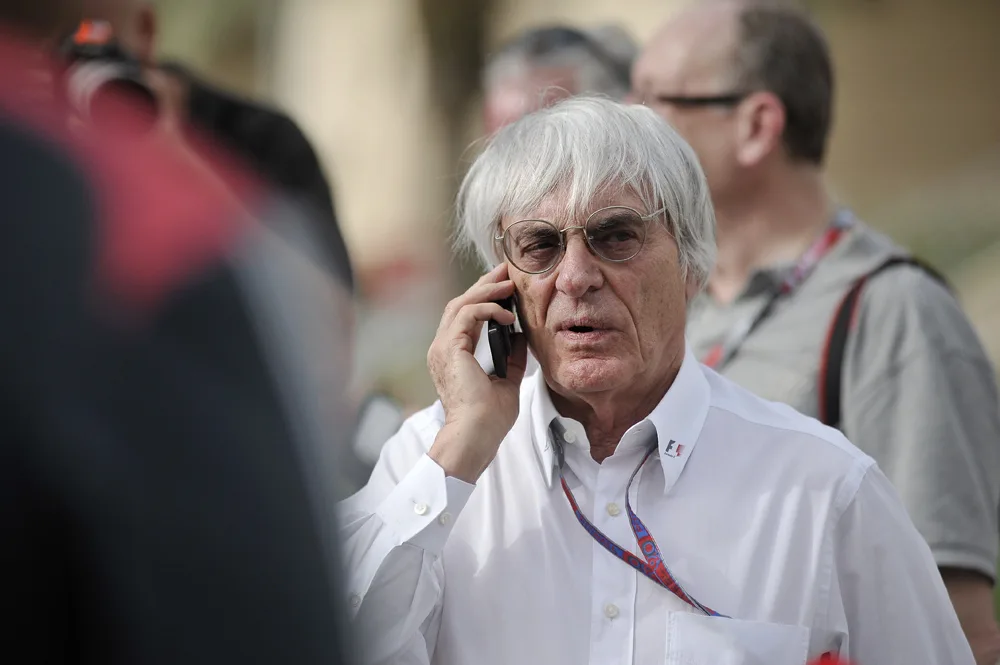
Bernie Ecclestone has described the current Formula One as a “crap product”, blaming the sport’s hybrid engine rules and complex regulations for declining public interest. The F1 chief executive made the remarks in an interview published by AFP in June 2015, saying the series is now difficult to sell to fans and broadcasters.
Ecclestone, who has managed F1’s commercial rights for decades, said he told engineers that while he was once adept at selling used cars, the current technical formula has left him with something he struggles to market. He singled out the hybrid power units, introduced in 2014, as a major factor in the sport’s loss of appeal.
Hybrid engines and complex rules under fire
The switch to 1.6-litre V6 turbo hybrid engines brought new technical challenges and a sharp rise in costs. According to Ecclestone, the resulting rules have made the sport too complicated for many fans. He agreed with four-time world champion Alain Prost, who recently said the regulations were designed by engineers rather than for entertainment.
“Absolutely. 100 per cent,” Ecclestone said, backing Prost’s assessment. He argued that if he were running a team, he would not allow staff to dictate how the show should be run. Ecclestone’s influence over the rulebook has diminished in recent years, with teams now holding more sway over the sport’s direction.
Predictable races and team power
Ecclestone criticised the predictability of the current racing, noting that when Lewis Hamilton starts a race, the outcome is often decided well before the chequered flag. This, he said, undermines the sport’s entertainment value and makes it a tougher sell to audiences and sponsors.
He also accused teams of lacking clear direction, saying they struggle to agree on reforms such as customer cars. Ecclestone argued that while teams hold meetings and propose ideas, they rarely follow through with implementation. He believes this indecision has contributed to the sport’s current problems.
Small teams under scrutiny
Addressing the financial struggles of smaller teams, Ecclestone said they should focus on better management rather than seeking external support. He pointed to his own experience running a team for 18 years and financing it personally. In his view, the teams at the back of the grid would face similar difficulties in any business, not just Formula One.
Ecclestone dismissed suggestions that the European Union would investigate F1’s governance, saying he had not received any communication from regulators. His comments reflect ongoing tensions over the sport’s structure and the balance of power between teams, organisers and commercial rights holders.
What Ecclestone’s criticism means for F1
Ecclestone’s public frustration highlights the challenge facing Formula One as it tries to balance technical innovation with entertainment. With teams now playing a bigger role in rule-making, the sport’s direction remains uncertain. His remarks add pressure on stakeholders to address falling audiences and restore F1’s appeal.