Controlled Power Technologies Electric Turbo Ready for Carmakers
Controlled Power Technologies has announced its switched reluctance electric supercharger is now production-ready, targeting carmakers seeking lower emissions and improved engine response.
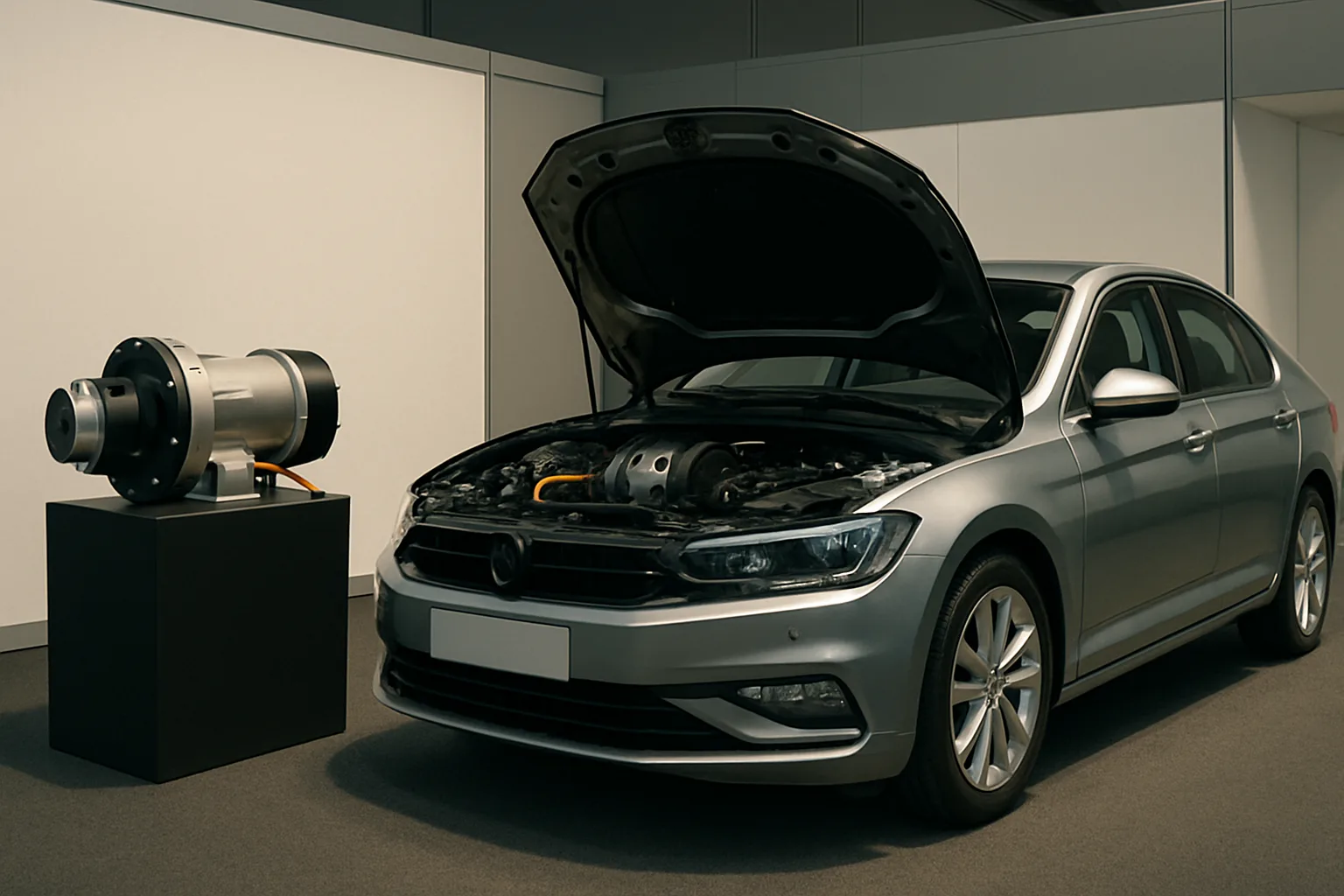
Controlled Power Technologies (CPT) has confirmed its switched reluctance electric supercharger, the Variable Torque Enhancement System (VTES), is now ready for high-volume automotive production. The company presented the technology at an international automotive engineering conference in Stuttgart, aiming to support carmakers as they downsize engines to meet stricter CO2 targets.
CPT's VTES system is designed to deliver rapid torque at low engine speeds, addressing turbo lag and enabling smaller engines to deliver performance closer to larger units. The supercharger is powered by a switched reluctance motor, a technology established in other industries but not previously applied at scale in automotive forced induction.
Plug-and-play installation for manufacturers
The company says VTES can be integrated into new and existing engine platforms with minimal engineering changes. The compact unit features integrated electronics and is intended to be straightforward for manufacturers to install, requiring little additional investment in production tooling. CPT has worked with carmakers throughout development to ensure the system meets automotive standards and can be applied to both petrol and diesel engines, including those already fitted with conventional turbochargers.
For diesel applications, the electric supercharger provides near-instant air supply, which can improve transient torque and reduce particulate emissions. This may allow for smaller diesel particulate filters, cutting cost and complexity. In petrol engines, the system offers potential for energy recovery during throttled operation, as the motor can switch to generator mode almost instantly.
Potential for future engine and fuel cell applications
CPT says its switched reluctance motor design can be adapted for higher voltage systems, opening the door to future applications in fuel cell vehicles. The company has developed a two-stage concept for fuel cells, targeting up to 4kW of stabilised power at over 240 volts, and claims the design is more compact, lighter and quieter than current solutions.
Beyond the electric supercharger, CPT is also developing related technologies including a stop-start system and an exhaust energy recovery unit, all based on switched reluctance electric motors. The company, established in 2007 following a management buy-in, is backed by investors focused on energy and environmental technologies.
What it means for emissions and downsizing
For carmakers, CPT's electric supercharger arrives as manufacturers seek new ways to meet tightening emissions standards without sacrificing performance. By enabling smaller engines to deliver higher torque at low speeds, VTES offers a route to lower CO2 output and improved fuel economy, especially in urban driving where engine response is critical.
CPT's technology is now available for integration into production vehicles, with the company seeking to supply global carmakers looking for rapid, cost-effective solutions to emissions and performance challenges.