

Norway to Review Car Duties, Maintains Electric Car Incentives
Norway's government will reconsider high car taxes for conventional vehicles but plans to keep generous electric vehicle subsidies, which have driven strong EV sales.
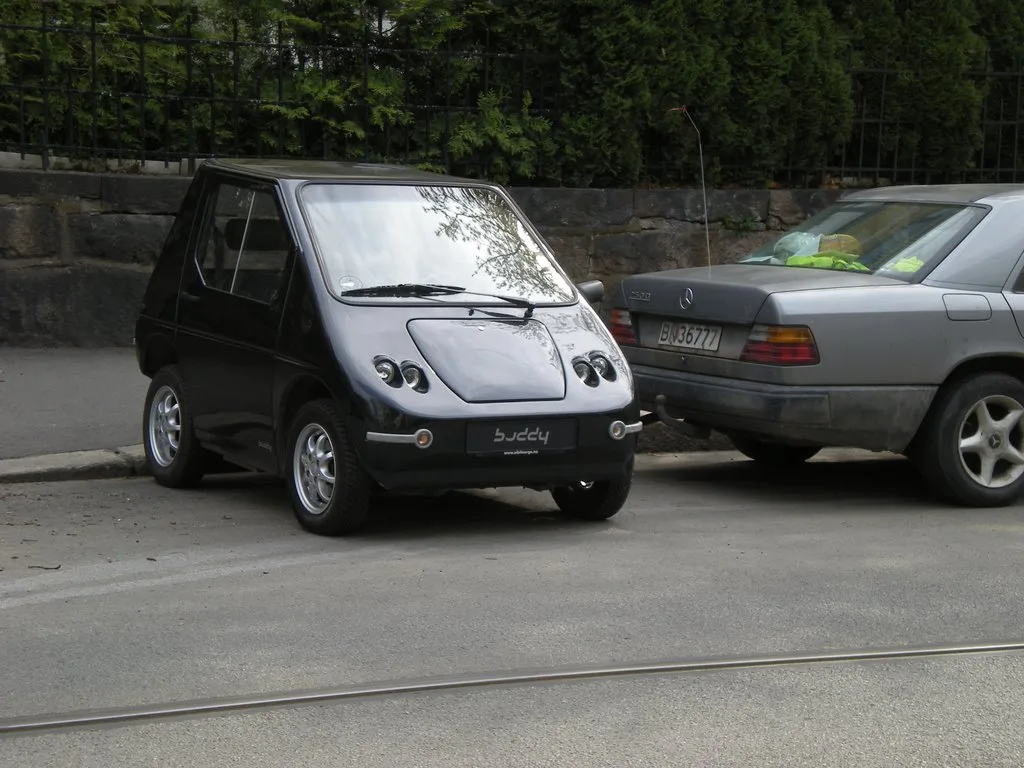
Norway’s government has confirmed it will reopen the debate on car duties, focusing on the high taxes imposed on petrol and diesel vehicles, while maintaining the country’s electric vehicle subsidies. The decision, announced as part of the government’s budget revisions, comes as electric cars now account for one in five new car sales in Norway.
The current right-leaning government said it intends to stimulate a safer and more environmentally friendly vehicle fleet. While the specifics of the tax changes are yet to be finalised, the government has pledged to keep the current incentives for electric vehicles until at least 2017. These include exemptions from value-added tax and other levies, which have made Norway one of the world’s strongest markets for battery-powered cars.
The popularity of electric vehicles has had a marked effect on Norway’s tax receipts. The finance ministry estimates a fall in income of about two billion crowns (approximately $268 million) for the year, directly linked to the widespread take-up of EV incentives. Despite the budgetary impact, the government says the policy is justified by the environmental and safety benefits of a modernised fleet.
EV incentives extended to leases
In addition to private buyers, the government has extended tax breaks to leased electric vehicles. This move is intended to widen access to EVs beyond those able to purchase outright, further supporting the segment’s growth. According to the Norwegian Electric Vehicle Association, the government’s commitment provides stability for the market until 2017, after which a gradual reduction of subsidies is planned.
Norway’s approach contrasts with other European countries where electric vehicle incentives have often been less generous or subject to more frequent policy changes. The country’s consistent support has made it a reference point for EV adoption in Europe. For more on Norway’s evolving EV policy, seeNorway reconsiders EV subsidies as electric car sales outpace forecasts.



