European study finds new cars emit 38% more CO2 than official figures
A report by the International Council on Clean Transportation highlights a widening gap between laboratory and real-world emissions, raising costs for drivers and complicating climate targets.
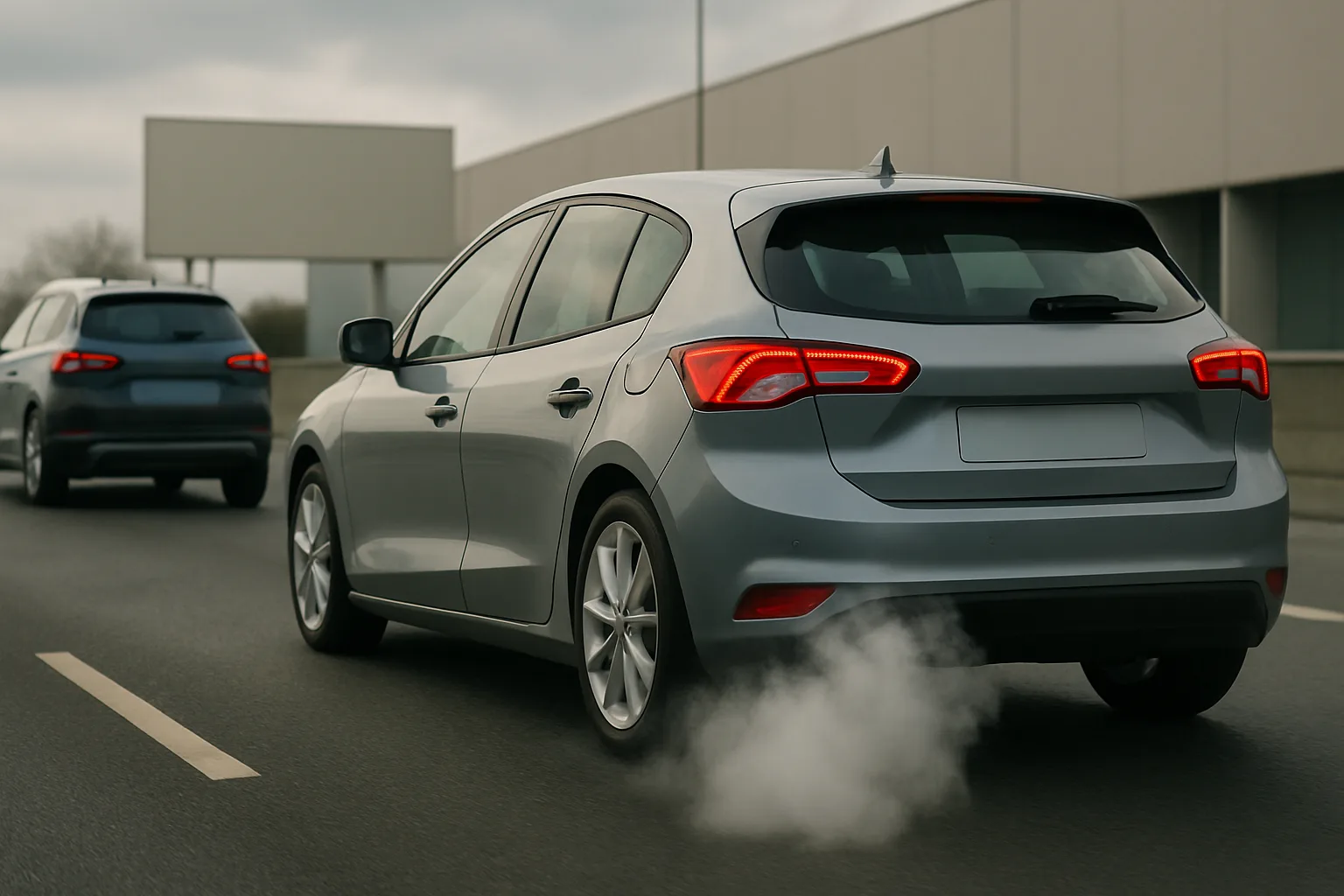
New cars sold across Europe are emitting 38% more carbon dioxide in real-world driving than their official laboratory figures suggest, according to a 2014 study by the International Council on Clean Transportation (ICCT). The gap has widened sharply since 2011, when it stood at just 8%, raising concerns for both consumers and policymakers.
The ICCT report attributes the discrepancy to outdated laboratory testing protocols that fail to account for real-world driving conditions. Features such as air conditioning, higher speeds, and more frequent acceleration are not fully represented in the lab, leading to official CO2 and fuel economy figures that do not match everyday experience.
For drivers, the shortfall in fuel economy translates directly into higher running costs. The study estimates that the average European motorist is spending at least €450 more per year on fuel than they would expect based on official consumption figures. This extra cost comes at a time when many buyers are already sensitive to fuel prices and running costs.
Regulatory response and industry implications
The widening gap between laboratory and real-world emissions figures has implications well beyond individual buyers. The ICCT argues that the discrepancy has effectively halved the progress claimed by carmakers in reducing CO2 emissions over the past decade. As a result, the EU’s official statistics overstate the environmental gains achieved by new vehicles.
European regulators had been tightening efficiency targets for manufacturers, but the study suggests that the current testing regime is undermining those efforts. The ICCT points to the need for more representative testing procedures and stricter oversight of results submitted by manufacturers. At the time of the report, EU policymakers were considering reforms to bring laboratory tests closer to real-world conditions.
Laboratory tests at the time allowed for considerable manipulation, with manufacturers able to optimise vehicles for the test cycle in ways that would not benefit real-world drivers. The ICCT also criticised regulators for accepting results that did not account for features or driving behaviours that increase fuel consumption, such as use of air conditioning or driving at motorway speeds.
Pressure for change in testing standards
The study’s findings added urgency to calls for a new testing regime. EU authorities were already working on the Worldwide Harmonised Light Vehicles Test Procedure (WLTP), intended to better reflect real-world driving. The ICCT’s data provided further evidence that such changes were overdue if Europe was to meet its climate commitments and provide consumers with reliable information.
The gap between official and actual emissions figures also raised questions about the credibility of reported progress by manufacturers. Later developments, such as the Volkswagen emissions scandal, would bring further scrutiny to the issue of test manipulation and regulatory oversight. For now, the ICCT report made clear that the figures on paper were not matching the experience on Europe’s roads.