European carmakers press EU for softer 2030 CO2 targets
ACEA and major manufacturers argue that tightening post-2021 emissions targets will raise vehicle costs and harm global competitiveness, as EU governments debate stricter 2030 rules.
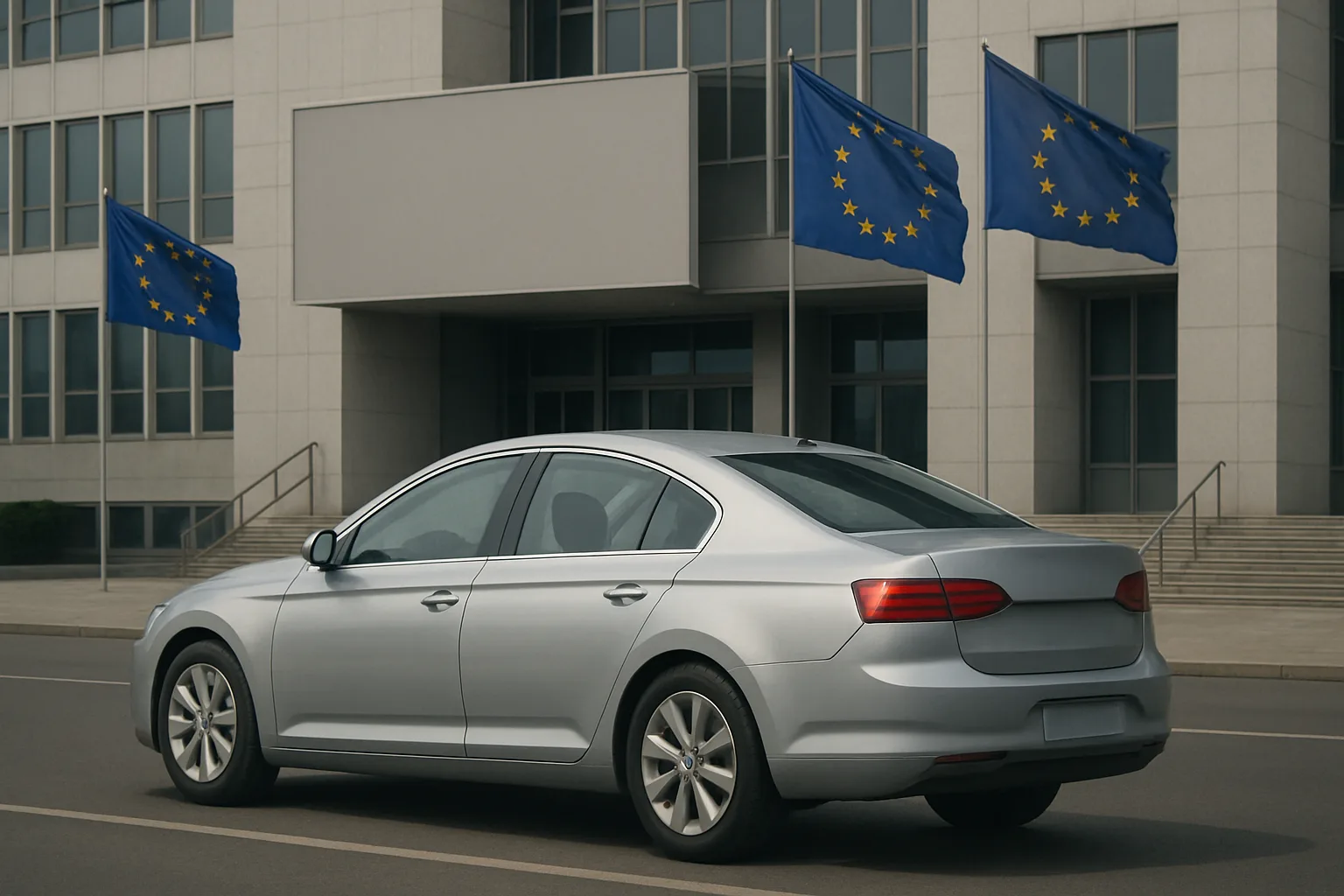
European car manufacturers have stepped up lobbying efforts in Brussels, urging EU policymakers to reconsider plans for stricter carbon dioxide limits on new vehicles beyond 2021. The European Automobile Manufacturers’ Association (ACEA), representing brands including Renault, Peugeot, Volkswagen and BMW, argues that further tightening of fleet CO2 targets for 2030 would drive up vehicle costs and put the industry’s global competitiveness at risk.
The current EU regulation sets an average fleet CO2 limit of 95g/km for new cars from 2021, a sharp drop from the 123.4g/km average recorded across Europe the previous year. The European Commission is now considering even lower targets for 2030, as part of its broader climate agenda. Automakers say meeting the 2021 threshold already demands substantial investment in new technology, with ACEA estimating an extra €2,000 in production costs per vehicle just to comply with existing rules.
ACEA and industry leaders have called for a broader approach to reducing automotive emissions, proposing that policymakers also address the carbon content of fuels, driver behaviour, infrastructure upgrades and smart transport systems. Renault Nissan chief Carlos Ghosn, serving as ACEA chairman, has publicly urged the EU to focus on measures that would reduce emissions from vehicles already on the road, not just new models.
Industry fears on cost and competitiveness
Manufacturers warn that further tightening of CO2 limits could force up prices for buyers and threaten jobs across the sector. They argue that European rules must balance environmental ambitions with the need to maintain a strong manufacturing base. The ACEA position is that sudden or excessive regulatory changes risk undermining the continent’s car industry, which faces fierce competition from global rivals.
EU governments are split over how quickly to push for lower emissions, with some member states backing ambitious climate targets while others side with industry concerns. The final shape of post-2021 rules will depend on negotiations between the Commission, national governments and the European Parliament.
Alternatives suggested by carmakers
Automakers have proposed that the EU consider incentives for lower-carbon fuels and investment in infrastructure, alongside vehicle-specific targets. They argue that a more holistic approach could achieve emissions reductions without putting undue pressure on manufacturers or buyers. The debate is set to continue as the EU refines its long-term climate strategy.