Ferdinand Alexander Porsche, 911 Designer, Dies at 76
Ferdinand Alexander Porsche, known for creating the original Porsche 911, died in Salzburg at the age of 76, leaving a legacy that shaped sports car design.
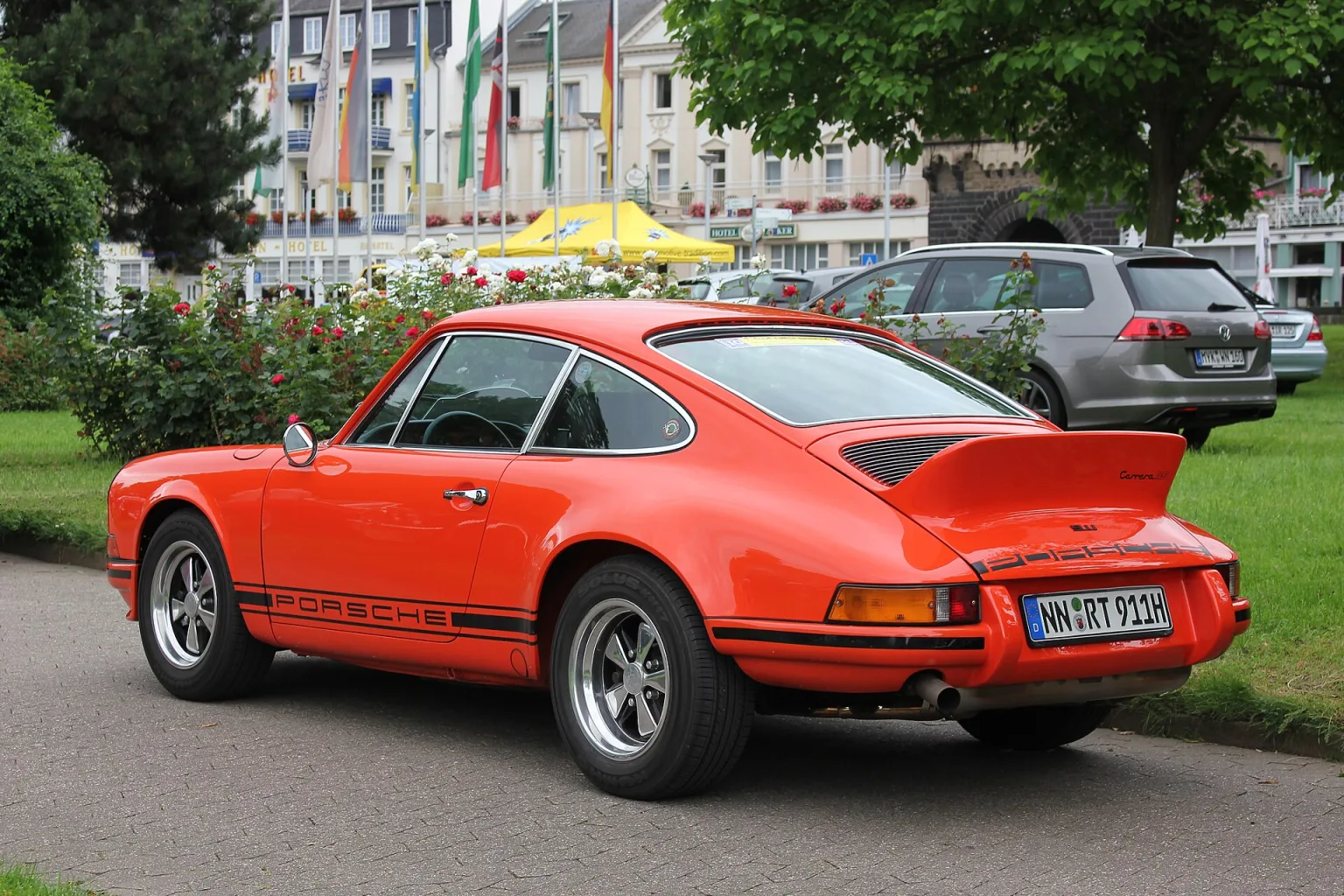
Ferdinand Alexander Porsche, the designer responsible for the original Porsche 911, died on Thursday in Salzburg at the age of 76, Porsche AG confirmed. No cause of death was given. Porsche, known as "Butzi" within the company and among enthusiasts, was the grandson of the marque's founder, Ferdinand Porsche.
Porsche joined the family company in 1956, working in the technical design department. In 1962, he was appointed manager of the Porsche design studios. The following year, he unveiled the Porsche 901 at the Frankfurt Motor Show. Trademark issues with Peugeot led to the car being renamed the 911, but the essential shape and character of the car remained unchanged. The 911 quickly became the defining model for the brand, its silhouette and rear-engine layout setting the template for every generation since.
The 911 and Porsche's design direction
The original 911, launched in 1963, was developed as a larger and more refined successor to the Porsche 356. Ferdinand Alexander Porsche’s design combined clean lines with functional engineering, creating a sports car that was both practical and distinctive. The 911’s profile, with its pronounced front wings and sloping rear, became one of the most recognisable shapes in the automotive world.
Beyond the 911, Porsche’s design influence can be seen in other models of the era. He was responsible for the Porsche 904 Carrera GTS, a mid-engined coupé built for racing and homologation, and the Type 804 Formula One car, which competed in the 1962 F1 season. Both cars demonstrated his focus on lightweight construction and aerodynamic efficiency.
Departure and Porsche Design Group
In 1972, after Porsche AG restructured to separate family involvement from day-to-day management, Ferdinand Alexander Porsche left the company board. He went on to establish Porsche Design Group, which applied the company’s design philosophy to products beyond cars, including watches, eyewear, pens and later mobile phones. The design studio built a reputation for minimalist, functional products that echoed the style of his automotive work.
Impact on the brand and industry
Porsche’s approach to design established a culture within the company that prioritised form following function, a principle that continues to influence its sports cars. The 911’s enduring popularity and recognisable shape are widely credited to his vision. Porsche AG acknowledged his contribution, describing his philosophy as a legacy the company intends to honour in future models.
Ferdinand Alexander Porsche is survived by his family. His work continues to shape the identity of Porsche and the sports car market globally.