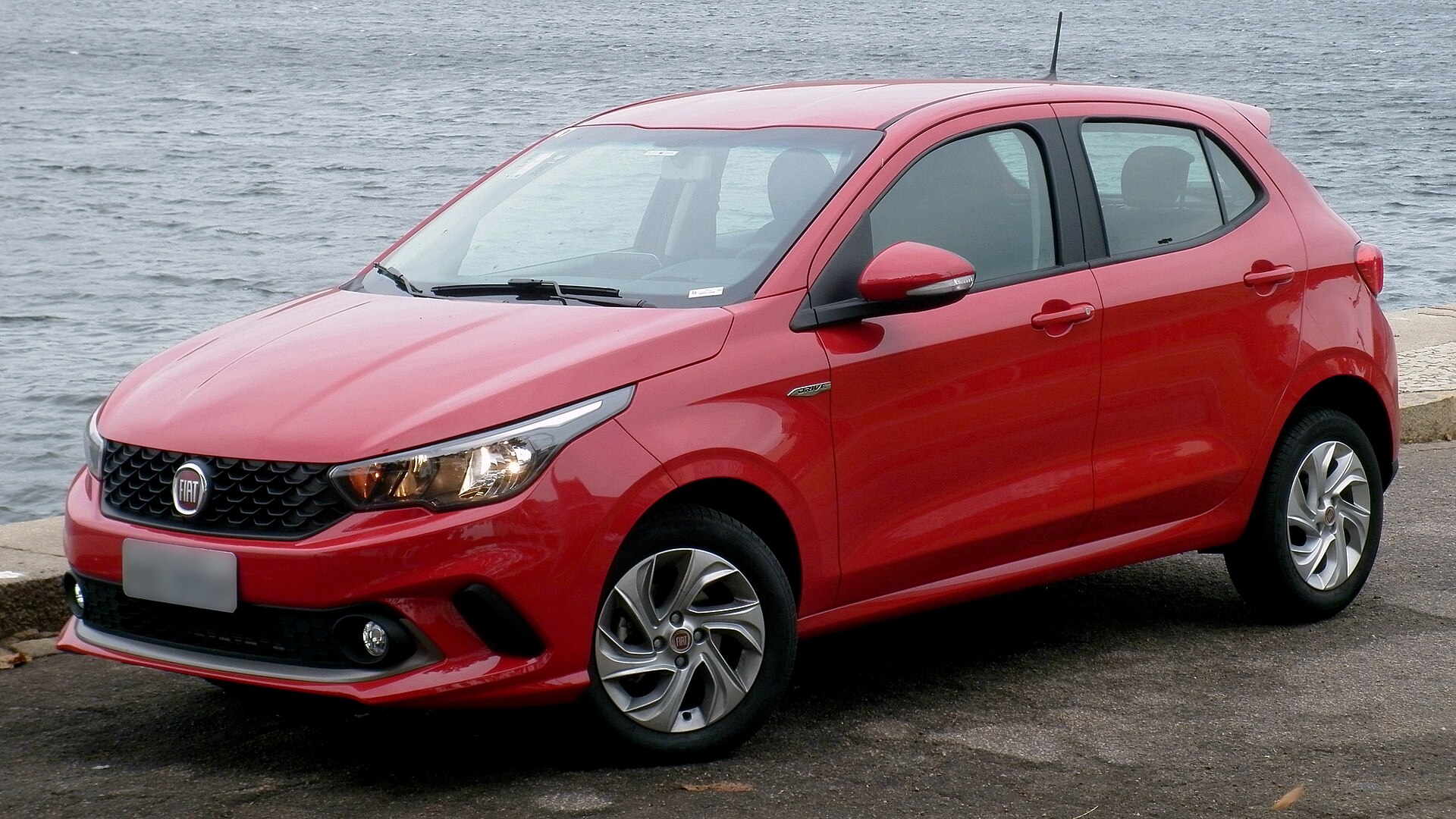
Fiat Argo launched for Brazil, with no plans for Europe
Fiat’s new Argo hatchback replaces both the Punto and Palio in Brazil, offering modern styling and new engines, but remains off-limits for European buyers.
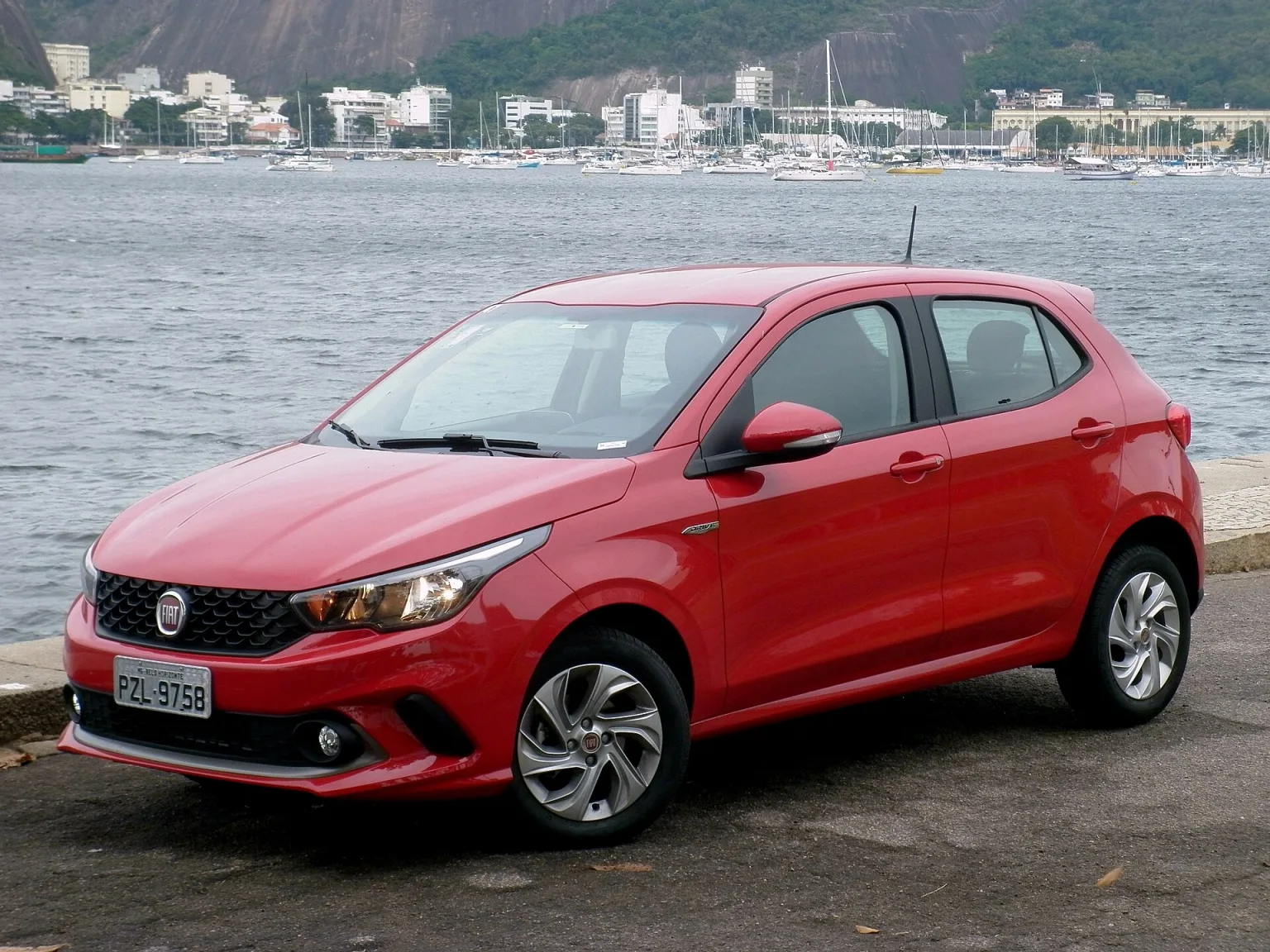
Fiat has introduced the Argo hatchback to the Brazilian market, confirming the model will not be offered in Europe despite its role as a replacement for both the Punto and Palio. The Argo arrives with updated styling, new engine options and a focus on the subcompact segment, targeting rivals such as the Renault Sandero and Ford Fiesta in South America.
The Argo sits above the outgoing Palio in Fiat’s South American range, taking over from the Punto as the brand’s main B-segment hatchback. It is built with a tall greenhouse and modern proportions, giving it a slight crossover influence compared to its predecessors. Fiat positions the Argo as a direct competitor to the likes of the Chevrolet Onix and Ford Fiesta in Brazil.
Engine options and technical details
Buyers in Brazil can choose from three engines: a 1.0-litre and a 1.3-litre from Fiat’s FireFly family, plus a 1.8-litre E.torQ unit. The smaller engines are paired with manual or automated manual transmissions, while the 1.8-litre is available with an automatic gearbox. All engines are flex-fuel, capable of running on petrol or ethanol, reflecting local market preferences.
Fiat’s decision to keep the Argo exclusive to South America leaves a gap in its European range, where the Punto has been discontinued and the 500 remains the primary small car offering. The Argo’s dimensions and engine lineup would place it squarely against European B-segment hatchbacks, but no plans have been announced to adapt the car for European regulations or consumer preferences.
Why Argo is unlikely for Europe
European buyers looking for a new Fiat hatchback larger than the 500 will not find the Argo in showrooms. Fiat has focused its European line-up on the 500 family and SUVs, with no confirmed successor to the Punto for the region. Adapting the Argo for Europe would require changes to meet safety and emissions standards, as well as adjustments to suit local market tastes.