Fiat weighs Innocenti revival as low-cost brand option
Fiat is considering reviving the Innocenti name for a new budget marque, targeting emerging markets and aiming to follow the success of rivals like Dacia and Datsun.
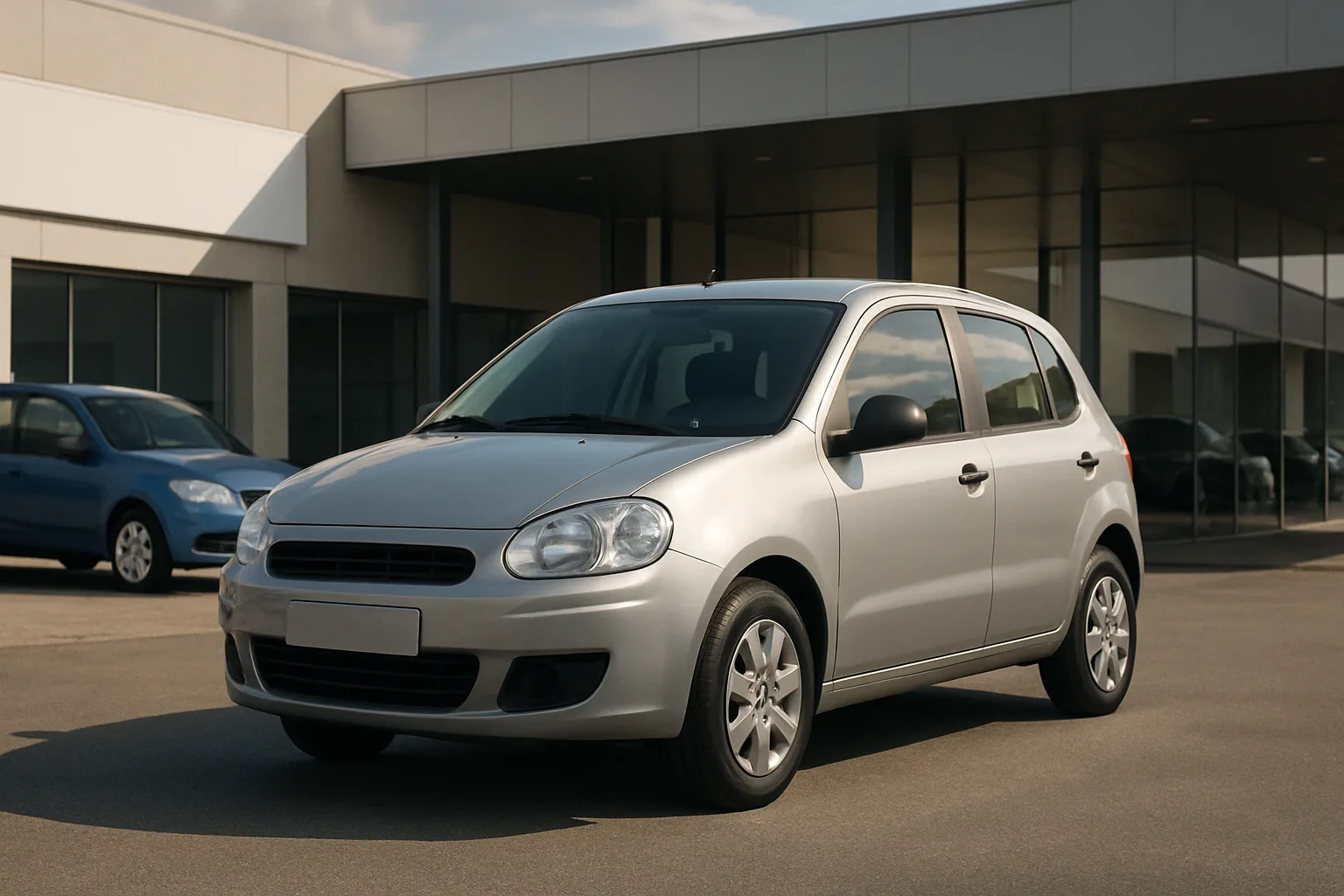
Fiat is examining the possibility of reviving the Innocenti name as part of a plan to launch a low-cost automotive brand, aiming to compete with Renault’s Dacia and Nissan’s revived Datsun in emerging markets. CEO Sergio Marchionne confirmed the group is studying the creation of a budget marque, with Innocenti, dormant since the late 1990s, emerging as a leading candidate for the badge.
Marchionne signalled the shift in a recent interview, explaining that the company cannot produce cars at the price point required for the low-cost segment in Italy or Western Europe. Instead, Fiat is investigating manufacturing in lower-cost regions such as Eastern Europe or Southeast Asia. This mirrors the approach taken by Nissan, which is building Datsun models for Russia, India and Indonesia, and by Volkswagen, which is developing a budget car for China and other cost-sensitive markets.
Why Innocenti?
Fiat acquired Innocenti in the early 1990s but shuttered the brand in 1997 after failing to find a viable business model. Innocenti retains recognition in parts of Europe and South America as a maker of simple, affordable city cars. That reputation aligns with the positioning Fiat is targeting for its budget brand. The company has kept the Innocenti name in reserve, waiting for an opportunity to use it on a project that fits its heritage.
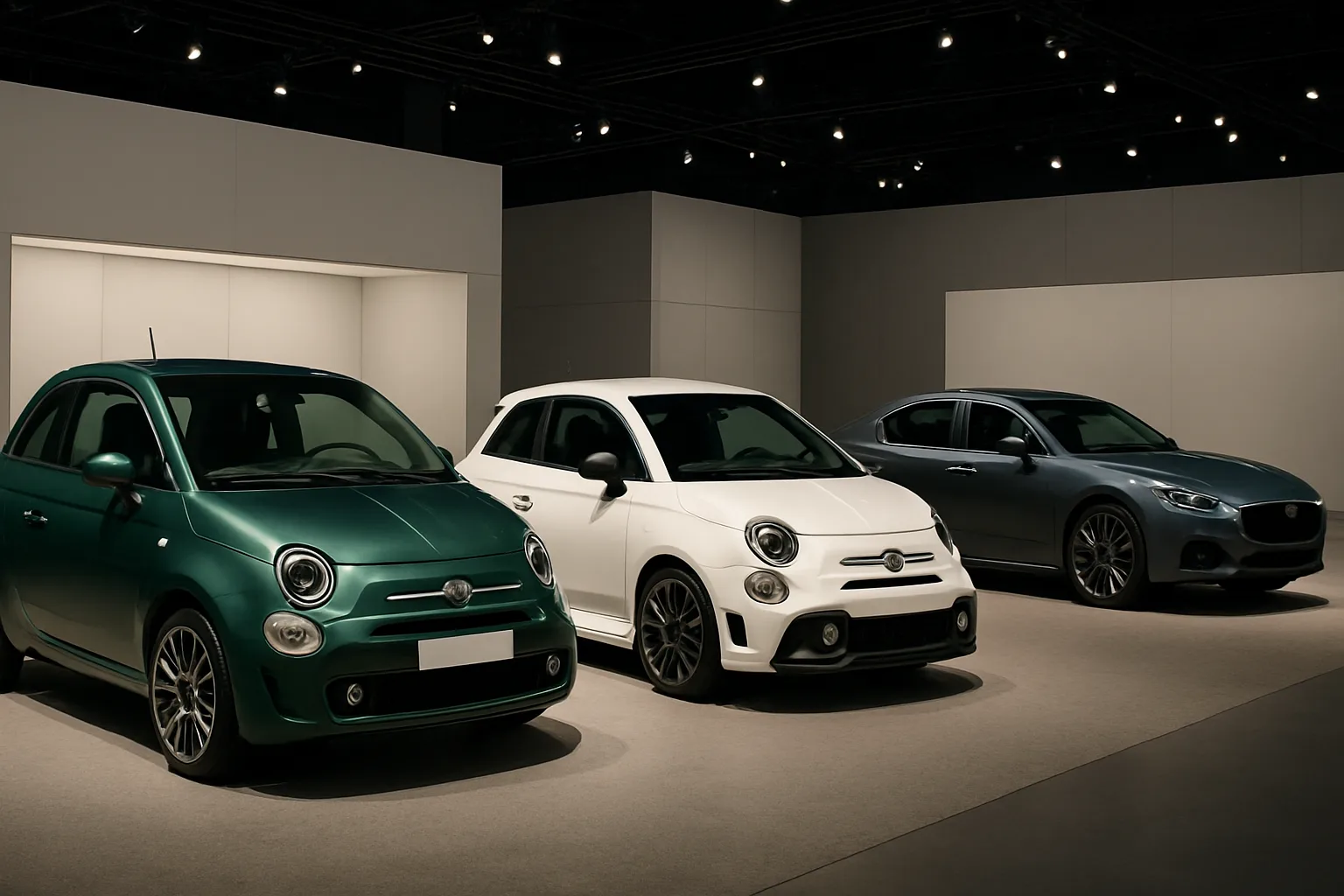
The move is not without precedent. Renault’s Dacia has become a core part of its global strategy, and Nissan’s return to the Datsun badge is designed to appeal to value-conscious buyers in developing markets. Fiat’s plan would see its own main brand move upmarket, focusing on the 500 and Panda lines, while Innocenti would serve the entry-level segment to avoid internal competition.
Production and market strategy
Fiat’s main challenge is achieving the cost base necessary for a sub-€7,500 entry price. Marchionne has ruled out manufacturing such vehicles in Italy, citing uncompetitive costs. Instead, the company is assessing sites in emerging markets with lower labour and production expenses. No specific countries or plants have been confirmed, and the project remains at the feasibility stage.
Fiat has not set a launch date or committed fully to using the Innocenti name, but the company is under pressure not to miss out on the growth seen by rivals in the budget sector. The group’s current financial position means any move into the low-cost segment will be carefully weighed against the risk of stretching resources or cannibalising Fiat’s own sales.
Context: Budget brands in the global market
The global success of Dacia and the relaunch of Datsun have reshaped the entry-level market, particularly in Russia, India and Southeast Asia. Volkswagen is also preparing a low-cost model for China, priced between €5,000 and €10,000. Fiat’s plan would place Innocenti alongside these brands, targeting first-time buyers and markets where price is the primary factor. The strategy relies on separating the budget brand from Fiat’s own upmarket ambitions, especially as the 500 and Panda ranges are repositioned.
- Dacia: Renault’s budget brand, key to its global growth.
- Datsun: Nissan’s revived marque for emerging markets.
- Volkswagen: Planning a low-cost car for China and beyond.
- Fiat: Considering Innocenti revival for similar positioning.
For now, Fiat’s low-cost project remains under review, with the Innocenti name leading the shortlist. The company will need to finalise production plans and ensure the new brand does not erode Fiat’s core business before making any formal announcement.