First contact: Ford Focus RS returns with AWD and 350 PS
Ford’s all-new Focus RS debuts with a 2.3-litre EcoBoost, all-wheel drive and a manual gearbox, aiming to redefine the hot hatch segment for 2016.
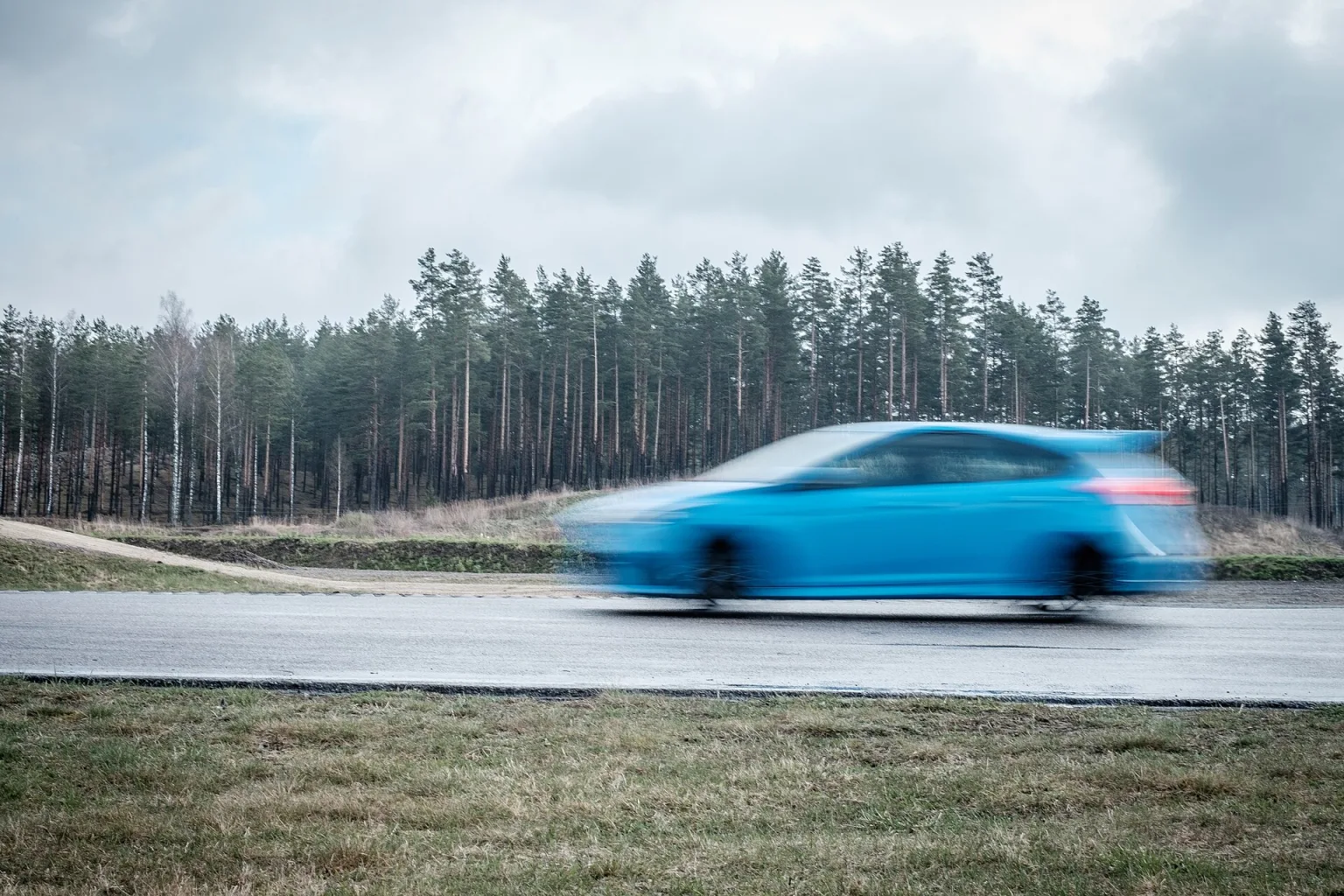
Ford’s third-generation Focus RS arrives with a 350 PS 2.3-litre EcoBoost engine, all-wheel drive and a six-speed manual gearbox, marking a major shift from its front-driven predecessors. The new RS, available as a five-door hatch, launches in early 2016 and sets out to challenge the benchmarks for hot hatches with a technical package aimed at serious drivers.
The new RS’s engine, adapted from the Mustang, delivers 350 PS and 440 Nm (up to 470 Nm on overboost). This is a marked increase over the previous generation’s 2.5-litre five-cylinder, and it puts the Focus RS firmly in superhatch territory. Ford claims 0-100 km/h in 4.7 seconds, making it nearly a second quicker than the old RS500 limited edition.
All-wheel drive and torque vectoring
For the first time, the RS sends power to all four wheels. The GKN-developed AWD system uses twin electronically controlled clutch packs at the rear axle, allowing up to 70 percent of torque to be directed rearwards and, if needed, up to 100 percent of that to either rear wheel. This dynamic torque vectoring aims to eliminate the torque steer and traction issues of the old front-drive RS, as well as deliver sharper handling and stability.
Drivers can choose between Normal, Sport, Track and Drift modes. Each alters the AWD system’s behaviour, suspension firmness, steering response, engine mapping, stability control and even the exhaust note. Launch Control is standard, letting the car deploy its full power off the line with minimal fuss. Ford’s decision to offer the RS exclusively with a manual gearbox is a clear nod to enthusiasts, at a time when rivals increasingly default to automatics.
Chassis and braking upgrades
The RS’s chassis is stiffened compared to the Focus ST, with spring rates increased by 33 percent at the front and 38 percent at the rear. The suspension is firm, bordering on harsh, but remains usable on the road. Brembo front brakes with 350 mm discs provide the stopping power expected of a car in this class. Adaptive dampers allow the driver to further stiffen the ride for circuit use, but this setting is best avoided on daily commutes.
Interior and practicality
Inside, the Focus RS shares much with the ST, including the dashboard layout and general ergonomics. RS-specific touches include blue stitching, RS logos and a distinctive gear knob graphic. The Recaro seats offer strong lateral support, though their high mounting position may not suit every driver. The five-door body increases practicality compared to earlier RS models, making it more usable as a daily driver.
Competition and price
With a starting price from €37,000, the Focus RS undercuts some rivals while offering more power and a more sophisticated drivetrain. Its closest competitors include the Volkswagen Golf R, Mercedes-AMG A45 and Audi RS3, but the Ford’s manual-only approach and Drift mode set it apart. For buyers seeking a hot hatch that prioritises driver engagement and track capability, the new RS presents a compelling option.
- 2.3-litre EcoBoost: 350 PS, 440 Nm (470 Nm overboost)
- 0-100 km/h: 4.7 seconds
- AWD with dynamic torque vectoring
- Manual gearbox only
- Four drive modes: Normal, Sport, Track, Drift
- Brembo front brakes, 350 mm discs
- Five-door hatchback