Hyundai Delivers First Tucson Fuel Cell to California Customer
Hyundai handed over its first Tucson Fuel Cell crossover to a Southern California family, marking the start of retail hydrogen vehicle deliveries in the US.
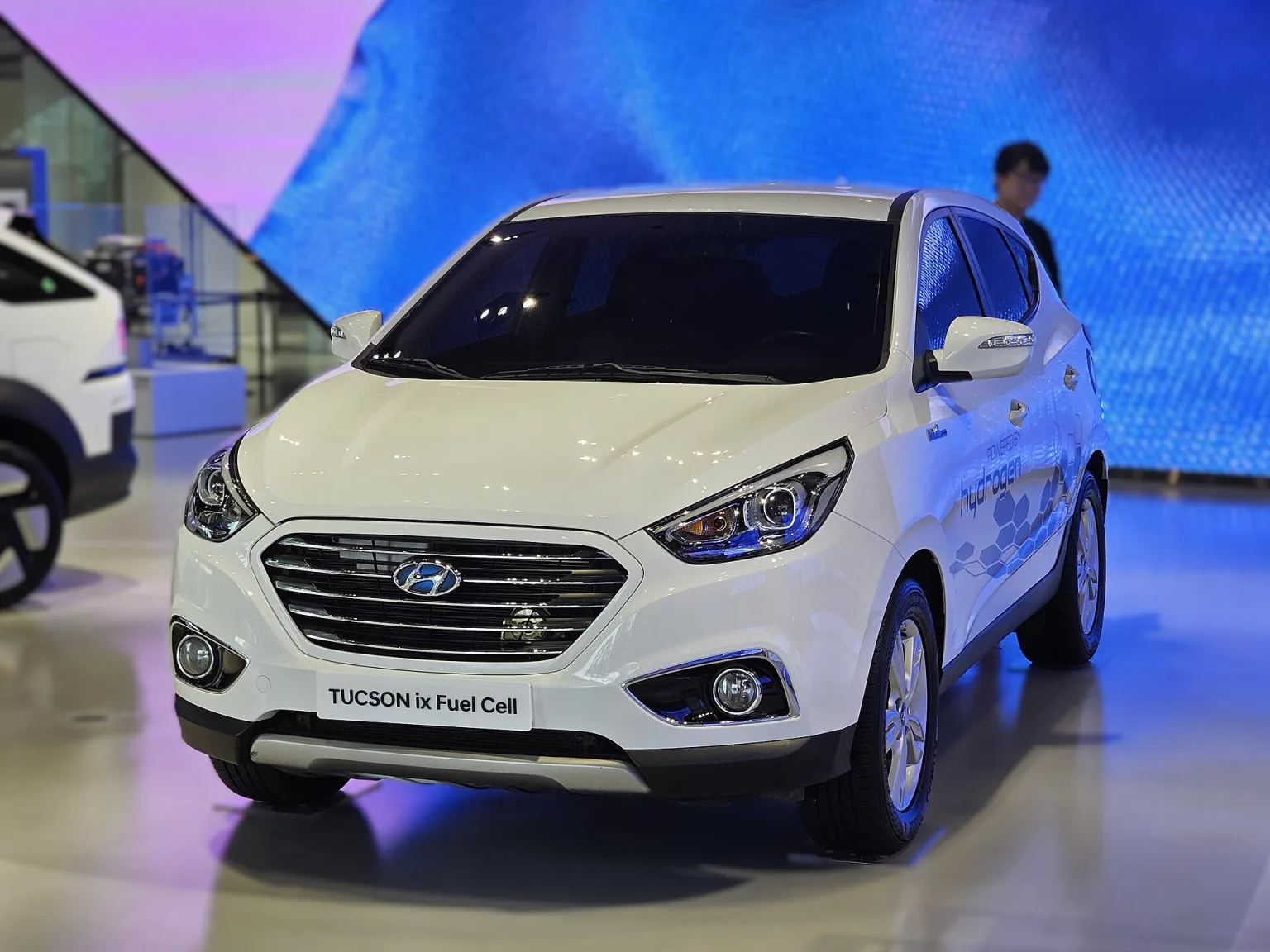
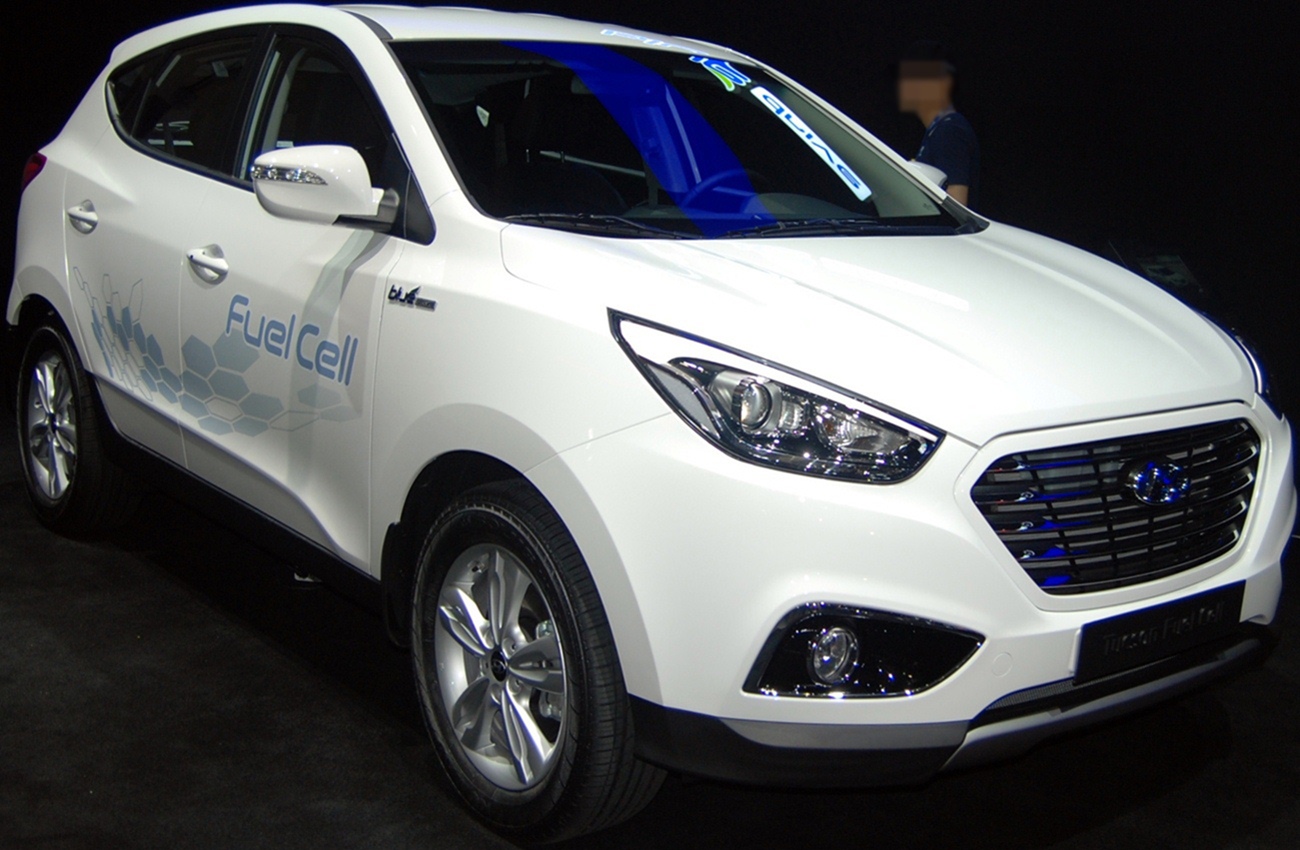
Hyundai delivered its first Tucson Fuel Cell vehicle to a customer in Southern California in June 2014, becoming the first automaker to offer a mass-produced hydrogen-powered crossover to a US retail buyer. The milestone event took place with the Bush family receiving the keys, attended by Hyundai Motor America president Dave Zuchowski and California Air Resources Board chairman Mary Nichols.
The Tucson Fuel Cell, based on the regular Tucson SUV, is powered by a 100 kW hydrogen fuel cell stack that replaces the standard 2.4-litre petrol engine. The system drives a 100 kW (134 bhp) electric motor, producing 221 lb-ft of torque. A 24 kW battery pack, shared with the Hyundai Sonata Hybrid, supports the drivetrain. Power is sent to the front wheels, and Hyundai claims the vehicle offers the same practicality as its combustion-engined counterpart.
Hydrogen refuelling and lease programme
At launch, Hyundai made the Tucson Fuel Cell available through a lease programme to customers in Los Angeles and Orange County, where six hydrogen stations with 700-bar pumps were operational. The limited infrastructure meant the offer was tightly focused on areas with accessible refuelling, restricting wider adoption in other parts of California or the US. The lease included hydrogen fuel and maintenance, aiming to reduce early adopter concerns about running costs and reliability.
California's role in hydrogen adoption
California's early support for hydrogen vehicles, including incentives and the development of a refuelling network, made it the only practical launch market for the Tucson Fuel Cell in the US. The California Air Resources Board has promoted zero-emission vehicle technology, and Hyundai's partnership with the state reflects both regulatory encouragement and the practical need for accessible hydrogen infrastructure.
Hyundai's move followed similar efforts by other manufacturers, including Toyota and Honda, to trial fuel cell vehicles in California. The company positioned the Tucson Fuel Cell as a practical, family-oriented alternative to petrol and battery-electric SUVs, though the limited refuelling network remained a barrier to broader adoption. For more on the challenges facing hydrogen cars, seefuel cell cars: hydrogen’s promise and the hurdles ahead.
Technical summary: Hyundai Tucson Fuel Cell
| Fuel cell stack output | 100 kW |
|---|---|
| Electric motor output | 100 kW (134 bhp) |
| Torque | 221 lb-ft |
| Battery pack | 24 kW (shared with Sonata Hybrid) |
| Drivetrain | Front-wheel drive |
What this means for Hyundai and fuel cell vehicles
By delivering the first Tucson Fuel Cell to a retail customer, Hyundai established itself as an early leader in hydrogen vehicle deployment outside Japan. The company’s approach, focusing on a conventional SUV platform and an all-inclusive lease, aimed to make fuel cell technology more accessible to ordinary buyers. The real test remained the slow expansion of hydrogen infrastructure, which continued to limit sales and practical use beyond a handful of Californian cities. For more on the sales impact and infrastructure challenges, seeHyundai Tucson Fuel Cell sales in US limited by hydrogen refuelling network.