Fuel cell cars: hydrogen’s promise and the hurdles ahead
Toyota, Hyundai and Honda have all launched hydrogen fuel cell cars, but infrastructure and cost issues mean the technology faces a slow road to mainstream adoption.
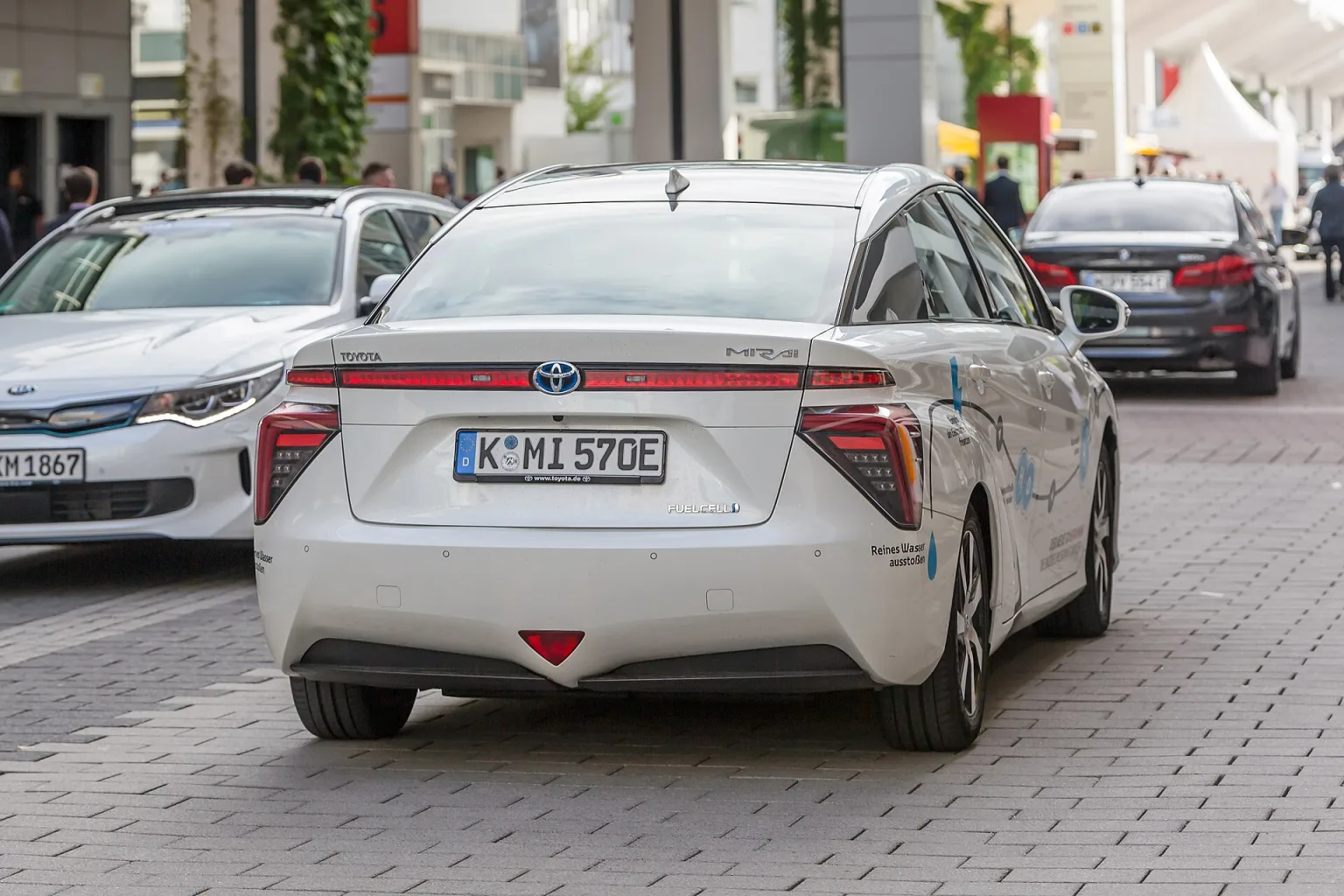
Toyota’s Mirai, Hyundai’s Tucson Fuel Cell and Honda’s Clarity Fuel Cell have all reached the market over the past decade, offering a practical demonstration of hydrogen power for road cars. These vehicles use compressed hydrogen to generate electricity via a fuel cell stack, emitting only water vapour and heat as byproducts. For drivers, the experience is similar to a conventional car, with refuelling times of just a few minutes and driving ranges broadly comparable to petrol or diesel models.
How fuel cell vehicles work
Fuel cell cars store hydrogen gas at high pressure in robust tanks. The hydrogen passes through a fuel cell stack, where it reacts with oxygen from the air to produce electricity. This electricity powers an electric motor, while the only emissions are water and a small amount of heat. The process is efficient and clean at the point of use, addressing concerns about local air quality and greenhouse gas emissions.
Obstacles to mainstream adoption
Despite the environmental promise, fuel cell vehicles face major challenges. The most immediate is the lack of hydrogen refuelling stations. In the UK and across Europe, the network is sparse, limiting the practicality of ownership outside a handful of regions. This infrastructure gap has held back sales, with manufacturers reporting only modest uptake. For example, Hyundai’s Tucson Fuel Cell saw limited US sales due to the patchy hydrogen network.
Production costs are another barrier. Fuel cell stacks require precious metals such as platinum, and the technology remains more expensive to manufacture than battery-electric alternatives. Toyota has set initial sales targets in the thousands per year, but these volumes are far below mainstream models. Manufacturers have formed joint ventures and partnerships to share costs and accelerate development, as seen in the collaboration between Honda and GM.
Comparing fuel cell and battery-electric vehicles
| Feature | Fuel cell vehicle | Battery-electric vehicle |
|---|---|---|
| Refuelling/charging time | 3–5 minutes | 30+ minutes (rapid charger) |
| Range (typical) | 300–400 miles | 150–300 miles |
| Emissions (tailpipe) | Water vapour only | None |
| Infrastructure | Limited hydrogen stations | Growing charging network |
| Production cost | High (precious metals) | Falling (battery tech advances) |
While fuel cell cars offer rapid refuelling and long range, battery-electric vehicles benefit from a rapidly expanding charging network and falling costs. For now, battery EVs have taken the lead in the transition to low-emission transport, but manufacturers continue to invest in hydrogen as a long-term option for sectors where batteries are less practical, such as heavy goods vehicles or long-distance fleets.
What’s next for hydrogen cars?
Toyota, Hyundai and Honda remain committed to fuel cell development, with further models and technical improvements planned. Toyota has supplied fuel cell technology to BMW, and joint ventures continue to push for lower costs and improved stacks. However, unless governments and industry accelerate hydrogen infrastructure investment, fuel cell cars are likely to remain a niche alternative to battery-electric vehicles for the foreseeable future.
For more on Toyota’s technology partnerships, seeToyota to Supply Hybrid and Fuel Cell Vehicle Technology to BMW.