Five areas where Camaro must surpass Mustang to reclaim muscle car lead
With the sixth-generation Chevrolet Camaro now revealed, its challenge is clear: outperform the Ford Mustang in five key areas if it wants to retake the US muscle car sales crown.
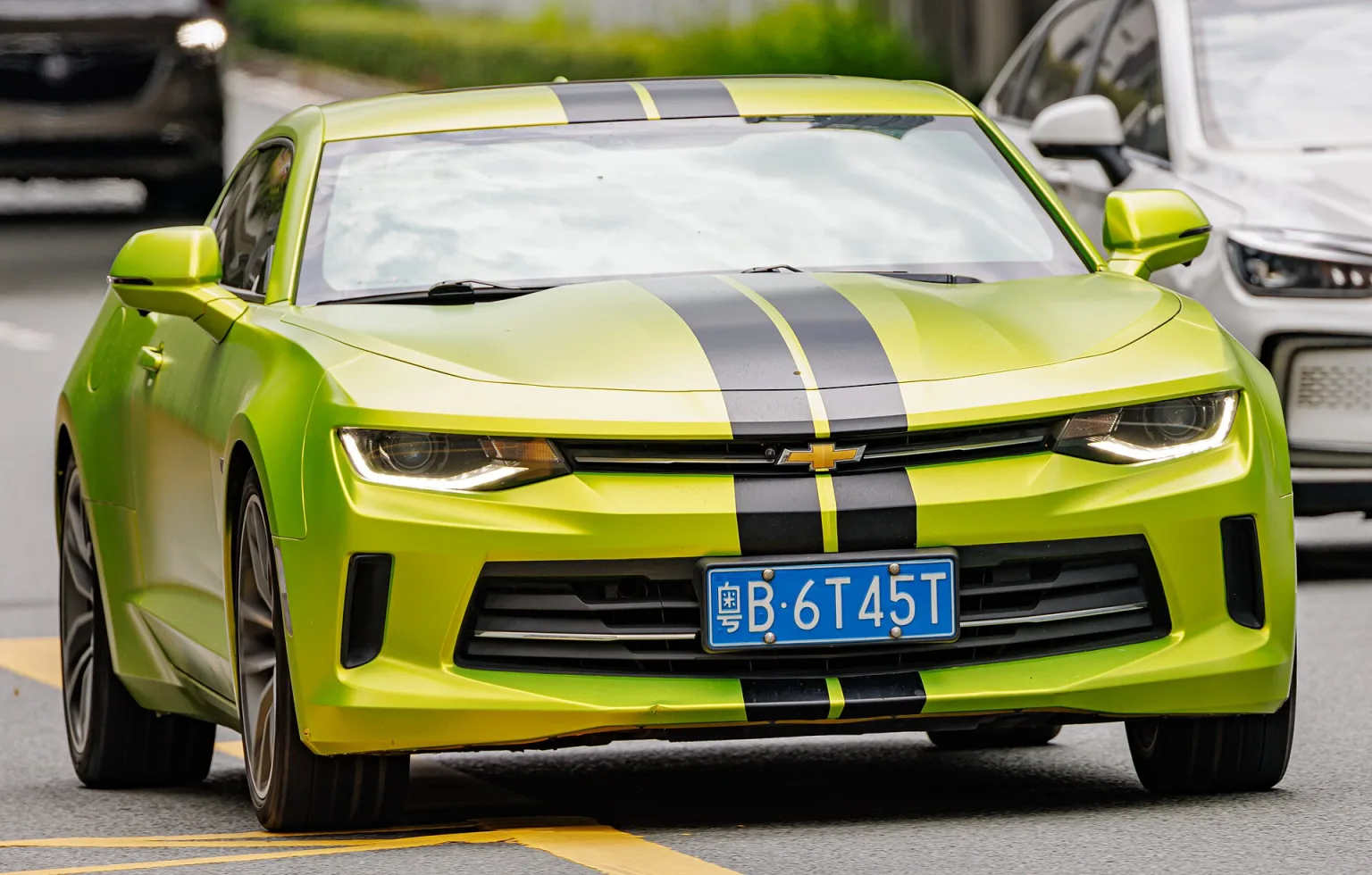
Chevrolet has pulled the wraps off the sixth-generation Camaro, setting up a direct contest with the latest Ford Mustang for control of the US muscle car market. After briefly outselling the Mustang during Ford’s model changeover, Camaro finds itself trailing as Mustang deliveries surge and Challenger sales also climb. Chevrolet’s new model enters the ring with lighter construction and a fresh engine line-up, but faces pressure to improve in several areas to regain sales momentum.
Performance and powertrain options
The Camaro’s new base engine, a 2.0-litre turbocharged four-cylinder with 270 hp, marks a shift from previous V6 entry points. Ford’s Mustang, meanwhile, starts with a 3.7-litre V6 producing 300 hp. While the Camaro is 200 pounds lighter than its predecessor, the lower output of the base engine may challenge perceptions among muscle car buyers who have traditionally prioritised outright power. Chevrolet is also offering an eight-speed automatic and cylinder deactivation on the 3.6-litre V6, aiming to improve both performance and efficiency.
Fuel economy and efficiency
Weight reduction and new powertrains are expected to help the Camaro’s fuel economy. The addition of cylinder deactivation on the V6 and the new eight-speed automatic transmission are clear responses to rising efficiency demands. Mustang counters with its own EcoBoost four-cylinder option, so real-world economy figures and owner running costs will be closely watched by buyers comparing the two.
Interior quality and usability
Interior visibility has long been a Camaro weakness, with the previous generation criticised for its high beltline and small windows. Chevrolet now includes a standard backup camera and its MyLink infotainment system, hoping to address usability concerns. The Mustang’s cabin has typically offered better visibility and space, so improvements here are crucial if Camaro is to win over buyers who use their cars daily.
Styling and comfort
Design remains a matter of taste, but both Chevrolet and Ford have evolved their muscle cars to attract a broader audience. Camaro’s exterior changes are evolutionary rather than radical, which may appeal to loyalists but risks being overlooked by those seeking something new. Comfort and practicality are also in play: while neither model is a family car, buyers still expect enough space for passengers and luggage on short trips.
What it means for the muscle car market
The rivalry between Camaro and Mustang remains the central contest in the US muscle car segment. With Dodge Challenger sales also rising, Chevrolet cannot rely solely on heritage or incremental improvements. The next year will show whether Camaro’s changes are enough to close the gap or if Mustang’s momentum continues. For a look at how Dodge has fared in this battle, see Dodge Challenger outsells Mustang and Camaro in June US sales.