Ford confident in brand identity as Apple and Google expand automotive presence
Ford's electrical engineering chief says the company is unfazed by Apple and Google's push into car technology, citing ongoing partnerships and a focus on brand independence.
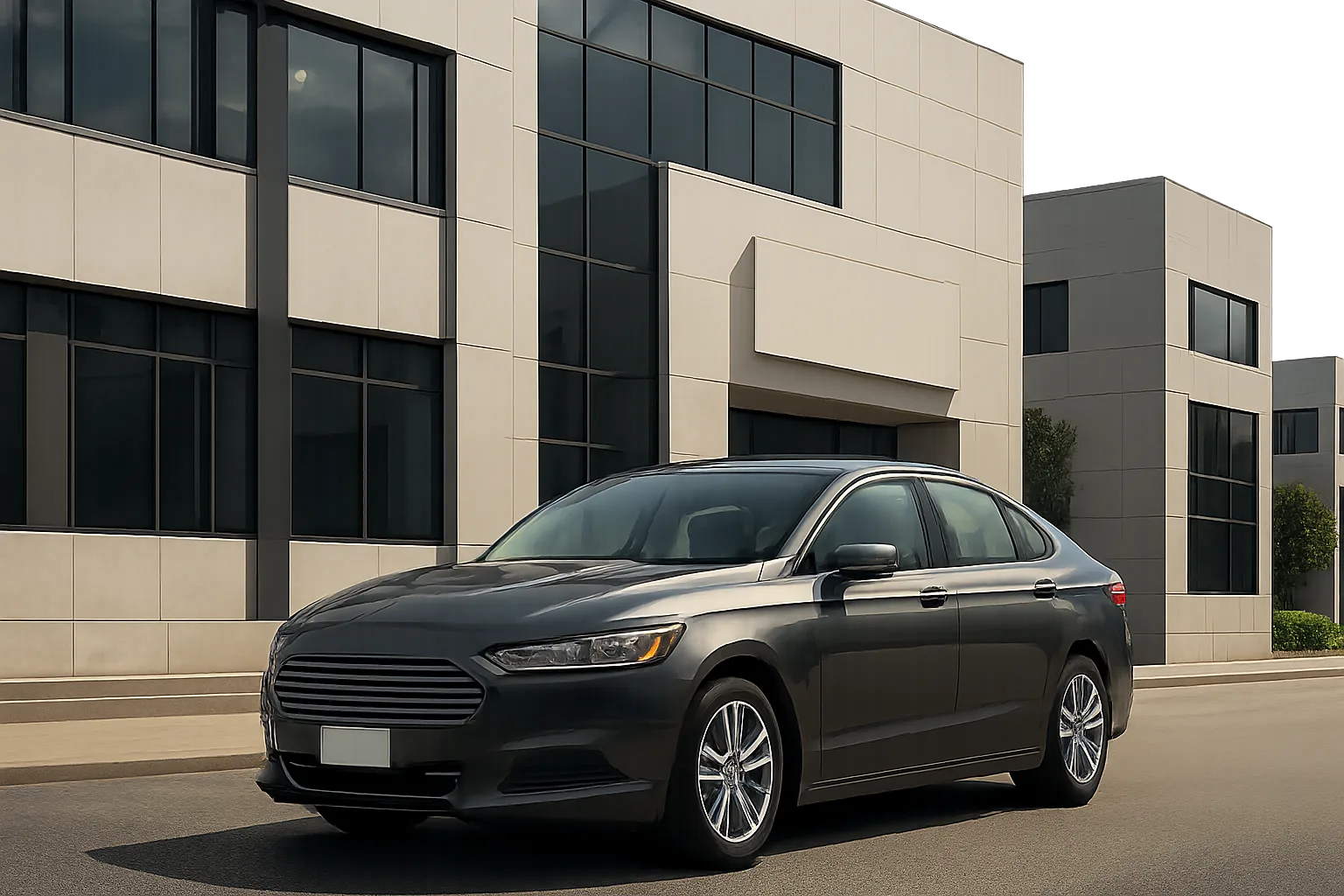
Ford is not worried about Apple and Google’s growing involvement in automotive technology, according to Christof Kellerwessel, the company’s electrical engineering chief. Kellerwessel, who oversees the automaker’s entertainment and connectivity systems, said Ford will maintain its brand identity even as it integrates more third-party technology into its vehicles.
The next-generation Sync infotainment system, due for introduction in the US later in 2015, will support both Android Auto and Apple CarPlay. Ford is also using BlackBerry’s QNX operating system as the basis for this platform, reflecting a strategy of selecting the most suitable technology partners for each component.
Kellerwessel said Ford has always faced competition, with the company’s history stretching back more than a century. He argued that the challenge of developing new vehicles is unchanged by the arrival of technology giants, and that Ford’s approach is to partner where it makes sense while retaining control over its own brand experience.
Collaboration and competition in connected cars
The connected car sector is attracting interest from established automakers and technology companies alike. Ford’s strategy involves working with a range of partners, not only in Silicon Valley but also among traditional rivals. Kellerwessel pointed out that building a global, integrated response to connectivity demands requires collaboration across regions and industries.
- Integration of third-party platforms like Android Auto and Apple CarPlay is becoming standard across the industry.
- Automakers are working with technology suppliers such as BlackBerry for core systems.
- Some partnerships even involve direct competitors sharing solutions for connected vehicles.
Ford’s position reflects a wider trend, with carmakers increasingly relying on software and digital services from technology firms. While Apple and Google are expanding their reach, Ford is focusing on maintaining its own identity through careful selection of partners and technologies. The company’s openness to collaboration extends to deals with other car manufacturers when it benefits the development of connected and autonomous features.
What it means for Ford’s future tech offerings
For buyers, this approach means Ford vehicles will offer familiar smartphone integration while keeping the Sync interface at the centre of the user experience. The company’s reliance on established tech suppliers like BlackBerry for safety-critical systems underlines its cautious approach to change. Ford’s stance suggests it intends to remain a major player in connected cars without ceding control to Apple or Google.