Ford opens Palo Alto R&D centre to deepen Silicon Valley ties
Ford has inaugurated a new Research & Innovation Center in Palo Alto, California, aiming to accelerate work on autonomous driving, connectivity and mobility services.
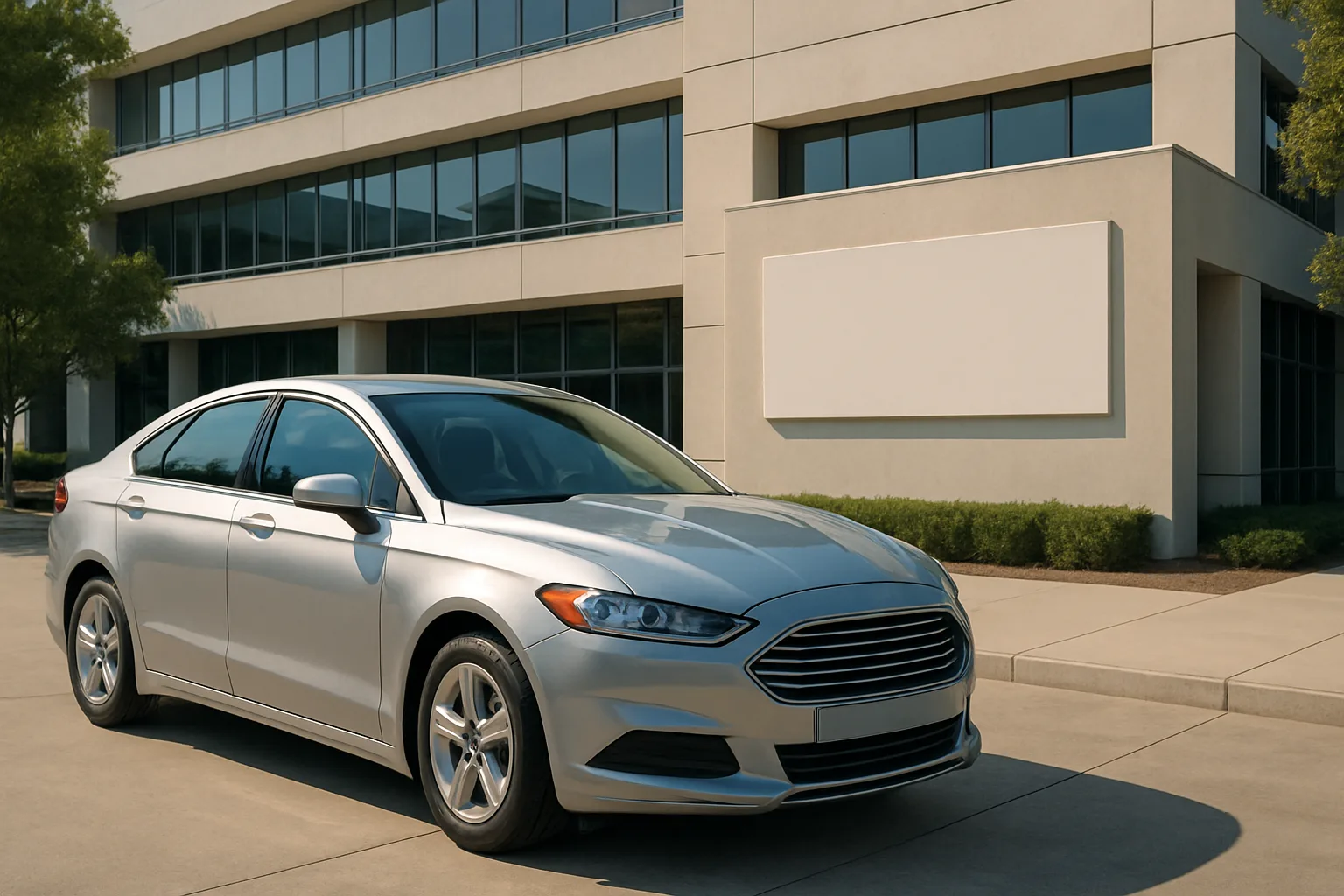
Ford has opened a new research and development centre in Palo Alto, California, placing the company at the heart of Silicon Valley’s technology sector as it seeks to accelerate work on autonomous driving, connected vehicles and mobility services. The Ford Research & Innovation Center was inaugurated on 22 January 2015, with CEO Mark Fields, Chief Technical Officer Raj Nair and Vice President of Research and Advanced Engineering Ken Washington present at the ceremony.
The new facility is just three miles from Stanford University and a short distance from Tesla’s headquarters, positioning Ford to recruit engineering talent and collaborate with leading technology companies. The company said the Palo Alto site will play a central role in developing advanced driver assistance systems, autonomous vehicle technologies and new digital services for both private owners and fleet operators.
Silicon Valley presence expands Ford’s tech ambitions
Ford’s move follows a broader trend among global carmakers establishing research outposts in Silicon Valley to tap into the region’s expertise in software, artificial intelligence and digital business models. Mercedes-Benz, Nissan and Volkswagen Group have all set up technology centres nearby in recent years, seeking partnerships with firms such as Apple, Google and Intel.
While Ford’s presence in California was initially smaller than its established research teams in Michigan and Germany, the company has expanded its West Coast operations to reflect the growing importance of software and connectivity in the automotive sector. The Palo Alto centre is expected to employ a mix of Ford engineers and local technology specialists, working on projects ranging from autonomous driving algorithms to in-car infotainment and vehicle data services.
Focus on autonomous driving and mobility services
Ford’s senior executives have stated that the company aims to be both a product manufacturer and a mobility provider, reflecting a shift in the industry towards new business models such as ride-sharing, vehicle connectivity and digital services. The Palo Alto centre will support this strategy by accelerating development of autonomous vehicle systems and exploring new approaches to personal and urban mobility.
- Development of advanced driver assistance and autonomous vehicle technologies.
- Collaboration with local universities and technology partners.
- Research on in-car connectivity, digital services and mobility solutions.
Ford’s investment in Silicon Valley comes as competition intensifies to develop safe and commercially viable autonomous vehicles. By establishing a dedicated research base in Palo Alto, Ford aims to keep pace with rivals and position itself at the intersection of automotive engineering and Silicon Valley innovation.