Ford Opens Inflatable Seat Belt Patents for Licensing
Ford will license its patented inflatable seat belt technology, first seen on the Explorer, to other manufacturers and industries via AutoHarvest.
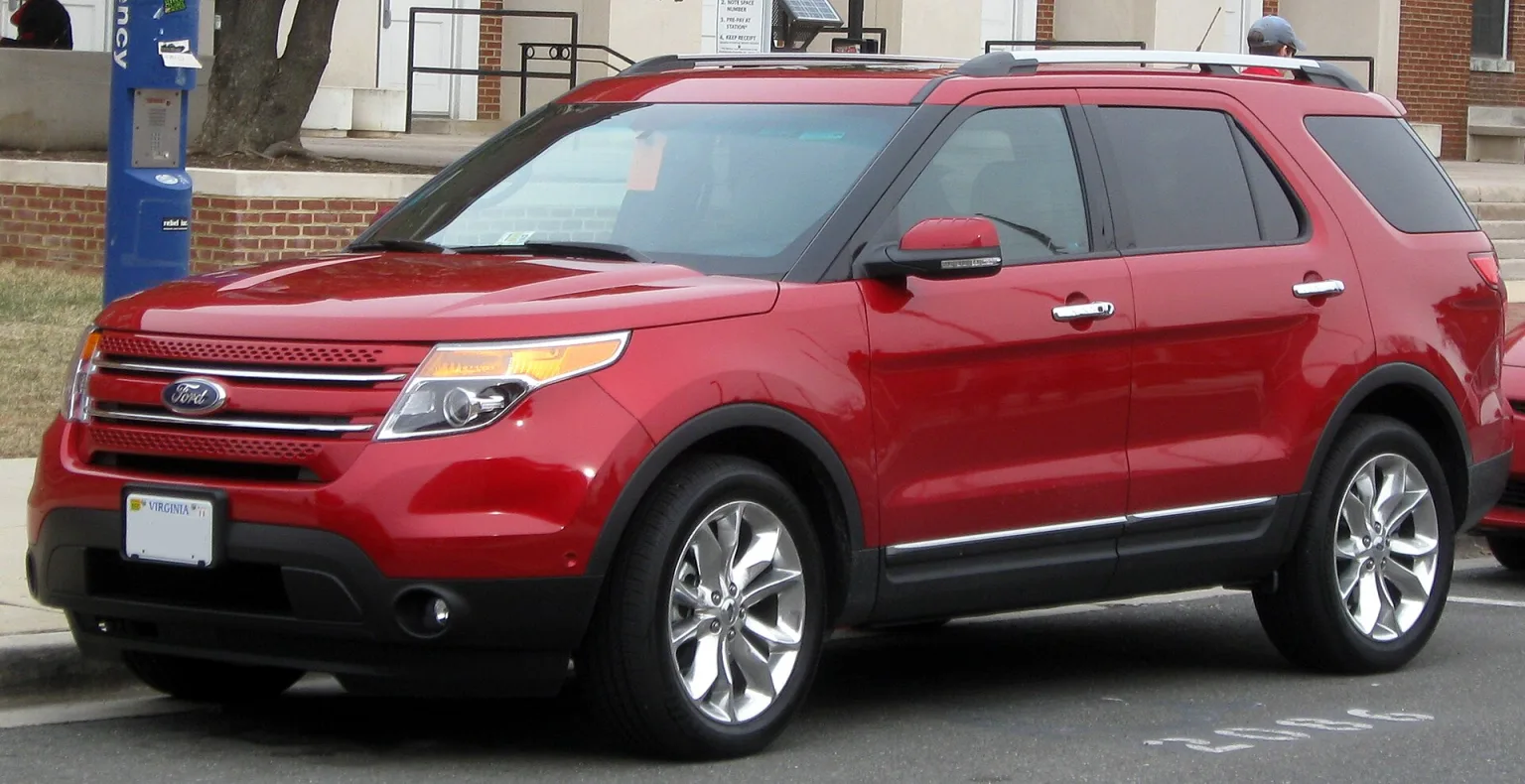
Ford has moved to license its inflatable seat belt technology, making the patented safety feature available to rival manufacturers and suppliers beyond its own model range. The decision, announced in late May 2014, marks a shift in Ford’s approach to sharing intellectual property when it comes to safety systems.
The inflatable seat belt, which combines a conventional seat belt with an integrated airbag, was first introduced on the 2011 Ford Explorer. Since then, Ford has fitted the system to several models including the Flex, Fusion, and Lincoln MKT and MKZ. The system is now in its third generation within Ford’s own product line.
How Ford’s inflatable seat belt works
Unlike a traditional seat belt, Ford’s system incorporates an airbag within the belt itself. In a collision, the airbag rapidly inflates, spreading the force of the impact over a wider area of the occupant’s torso and chest. This is designed to reduce the risk of injury, particularly for rear-seat passengers who are often more vulnerable in severe crashes.
Until now, Ford has kept the technology in-house, but the company has decided to license the original version to other automakers, suppliers and even industries outside the car sector. Chris Danowski, who led the licensing initiative for Ford Global Technologies, said the system could find use in buses, military vehicles, aircraft, helicopters and boats, as well as cars.
Licensing through AutoHarvest
Ford has partnered with AutoHarvest, a nonprofit organisation that connects technology developers with potential licensees. The technical documentation for the inflatable seat belt is now available on the AutoHarvest website, making it accessible to a wide range of companies in the transport sector. AutoHarvest is already used by major industry players, including NASA, to share and acquire new technologies.
By opening up its patents, Ford aims to encourage wider adoption of inflatable seat belts in a range of vehicles. The company has stated that its goal is to improve safety across the industry, rather than keeping the technology exclusive to its own products. Ford’s move follows a trend among manufacturers to license safety innovations, with the potential to accelerate their adoption in the market.
Potential impact and future adoption
The commercial terms of Ford’s licensing deal have not been disclosed. The company has not confirmed whether it will offer the latest generation of the system or restrict licences to the original design. The move signals Ford’s willingness to share safety technology, provided there is commercial benefit and broader industry interest.