Lexus LFA Launches with World-First SRS Seat Belt Airbag
Takata's Airbelt system debuts on the 2011 Lexus LFA, integrating airbag technology into the seat belt to enhance occupant protection in high-performance supercars.
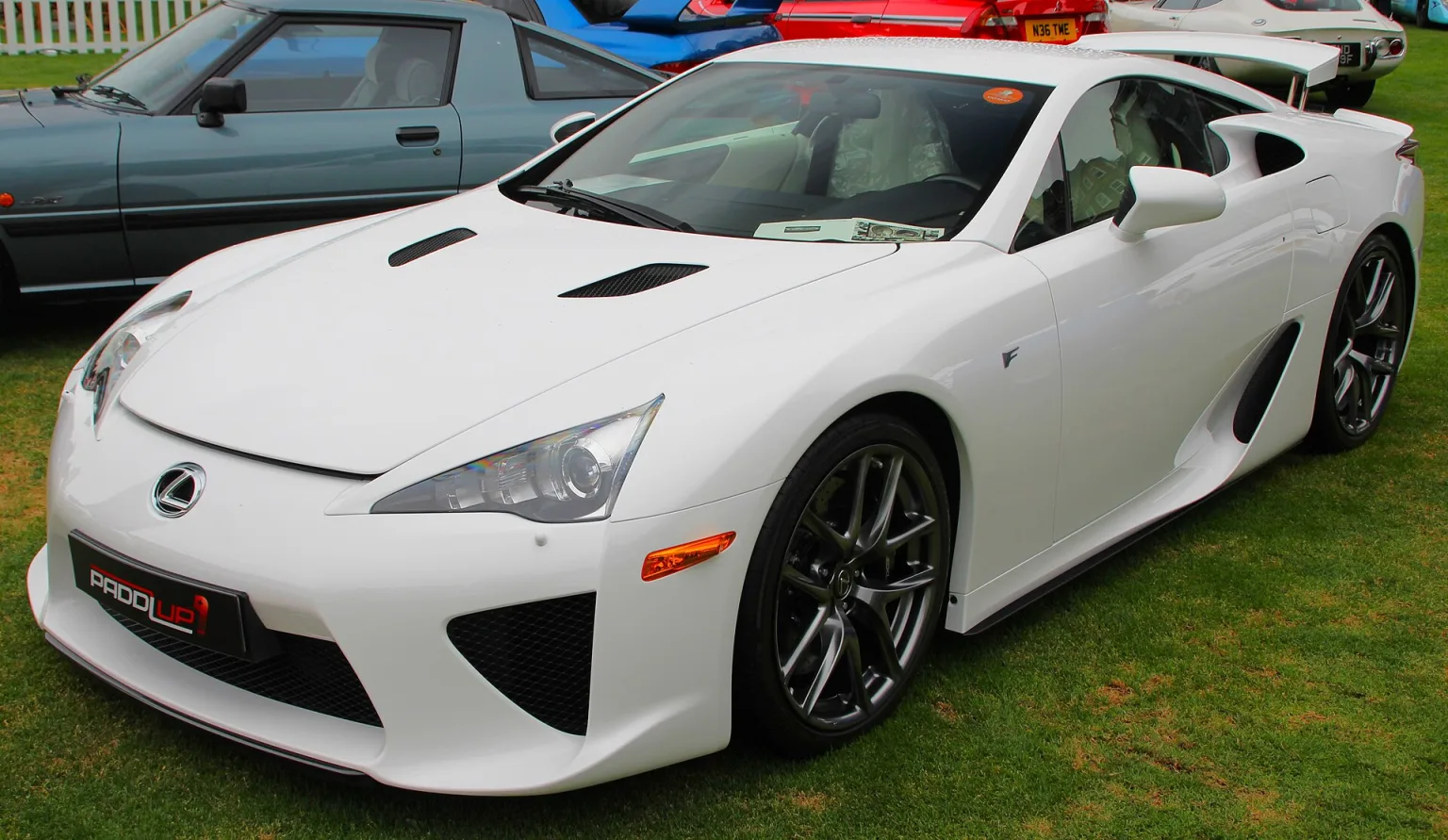
The 2011 Lexus LFA became the first production vehicle to feature Takata’s SRS Seat Belt Airbag, an innovation that integrates airbag technology directly into the seat belt webbing. This system, commercially known as the Airbelt, was introduced as standard equipment on the LFA when it launched in December 2010.
Takata’s Airbelt system differs from conventional seat belt pre-tensioners or airbags by embedding an inflatable airbag within the seat belt itself. In the event of a collision, the airbag rapidly inflates, expanding the belt’s surface area across the occupant’s chest and shoulder. This helps to distribute crash forces more evenly, reducing the risk of injury to critical areas such as the ribcage and head.
How the SRS Seat Belt Airbag Works
On the Lexus LFA, the SRS Seat Belt Airbag is designed to respond to both frontal and side impacts. In a frontal crash, the belt inflates instantly, spreading the load across a wider part of the upper body. This reduces the concentration of force on the chest, which is especially important in a high-performance car like the LFA where crash deceleration can be severe. In a side impact, the inflated belt forms a cushion between the occupant’s shoulder and the door or window, limiting lateral head movement and helping to prevent contact with hard surfaces.
Implications for Supercar Safety
The LFA’s adoption of the SRS Seat Belt Airbag reflects the increasing focus on occupant protection in supercars, where traditional airbags alone may not be sufficient due to unique seating positions and higher potential impact forces. By integrating the airbag into the seat belt, Lexus and Takata aimed to offer enhanced safety without compromising the fit or comfort expected in a high-end performance vehicle.
For buyers, the system provided reassurance that the LFA’s safety features matched its advanced engineering elsewhere. For the industry, it marked a step forward in the evolution of restraint systems, with the potential for wider application beyond limited-production models. At launch, no other passenger car offered a similar system, positioning the LFA as a technical showcase for both Toyota and Takata.
How the Airbelt Compared to Other Systems
Prior to the LFA, seat belt airbags had not been offered on production passenger cars. While some manufacturers had explored inflatable seat belts for rear passengers or concept vehicles, Takata’s Airbelt was the first to reach series production in a front seat application. The system’s ability to address both frontal and side impacts with a single device distinguished it from conventional airbags that typically deploy from the dashboard, steering wheel or side panels.
The Lexus LFA’s SRS Seat Belt Airbag was a world-first innovation that set a new benchmark for occupant protection in performance cars. Its commercialisation demonstrated how safety technology could be integrated without sacrificing design or driving experience, and highlighted the ongoing role of suppliers like Takata in advancing vehicle safety.