Ford Developing 150hp Version of 1.0-Litre EcoBoost Engine
Ford is preparing a 150 horsepower version of its 1.0-litre EcoBoost engine, targeting endurance testing before a European launch.
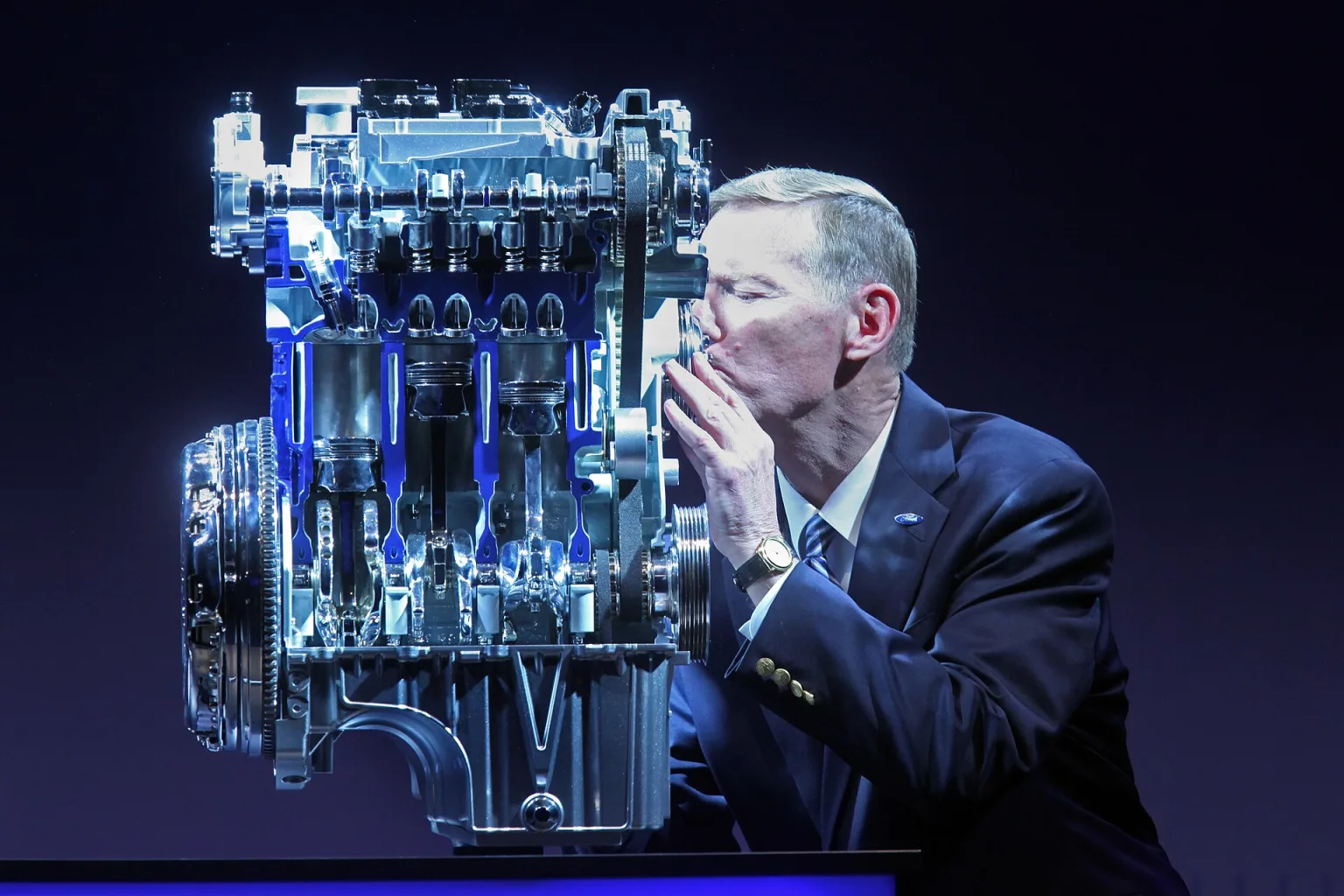
Ford is preparing a more powerful 1.0-litre EcoBoost engine, with a target output of 150 horsepower for future European models. This new variant is currently undergoing a comprehensive development process, including rigorous endurance testing, according to the company’s engine programme chief. The move aims to further strengthen Ford’s position in the competitive market for downsized, high-efficiency petrol engines.
Ford's Ambitious 1.0-litre EcoBoost Upgrade
Background: The EcoBoost Success Story
At the time of this development, Ford’s 1.0-litre EcoBoost engine had already achieved significant recognition, having been named 2012 International Engine of the Year. The engine was celebrated for its innovative combination of direct injection, turbocharging, and variable valve timing, which allowed it to deliver strong performance from a compact three-cylinder design. The most powerful version then available produced 123 horsepower and was found in popular models such as the Fiesta and Focus. The planned increase to 150 horsepower represents a substantial step up in specific output for this engine family.
Development and Endurance Testing
Ford’s EcoBoost chief, Andrew Fraser, has outlined the demanding development process for the new 150hp engine. Before reaching production, the engine must complete a full cycle of validation, including endurance testing in extreme temperature conditions ranging from minus 40 to plus 50 degrees Celsius. This is standard procedure for Ford’s global engine range and is designed to ensure the engine’s reliability and performance in all markets where it may eventually be offered. Such testing is particularly important for small, highly-stressed engines, which must balance efficiency, power, and durability.
Technical Challenges and Expected Changes
Ford has not released specific details on the technical modifications required to achieve the 150hp output. The existing 123hp version already makes use of advanced technologies such as direct fuel injection, turbocharging, and variable valve timing. To reach the higher output, further optimisation of the turbo system, improved cooling, and revised engine mapping are likely, though no official information has been provided. These enhancements would be necessary to maintain engine reliability and efficiency while extracting more power from the same displacement.
Market Position and Competitive Context
The 150hp 1.0-litre EcoBoost is set to launch in Europe first, reflecting the region’s strong demand for small, efficient, yet powerful petrol engines. This new engine variant will allow Ford to better compete with rival manufacturers such as Volkswagen and Renault, who offer their own high-output, small-displacement turbocharged engines. With emissions regulations tightening and consumer expectations for both performance and efficiency rising, Ford’s development of a more powerful 1.0-litre engine is a strategic response to these market pressures.
Potential Applications and Future Prospects
Ford has not yet announced which specific models will receive the upgraded 150hp engine. However, given the current application of the 1.0-litre EcoBoost in the Fiesta and Focus, these models are likely candidates. The new engine could also find its way into other compact vehicles in Ford’s European line-up, where a balance of performance and efficiency is especially valued. No official launch date has been confirmed, but further details are expected to be released as the engine nears production readiness.
| Engine Variant | Power Output |
|---|---|
| Current 1.0-litre EcoBoost | 123hp |
| 1.0-litre EcoBoost (in development) | 150hp |
Implications for Ford and the Industry
The development of a higher-output 1.0-litre EcoBoost engine demonstrates Ford’s ongoing commitment to maximising performance from small, efficient powertrains. This approach is increasingly important in the European market, where regulations and consumer preferences are driving manufacturers to innovate in engine downsizing and turbocharging. If successful, the 150hp engine could help Ford maintain a competitive edge and reinforce its reputation for engineering excellence in the compact car segment.
As more information becomes available closer to launch, industry observers will be watching to see how Ford’s enhanced 1.0-litre EcoBoost performs in real-world applications and how it influences the strategies of other automakers in the small engine space.