Ford to Build New GT Supercar in Canada with Multimatic
Production of the 2016 Ford GT will take place in Markham, Ontario, as Ford partners with Canadian specialist Multimatic to assemble its carbon fibre supercar.
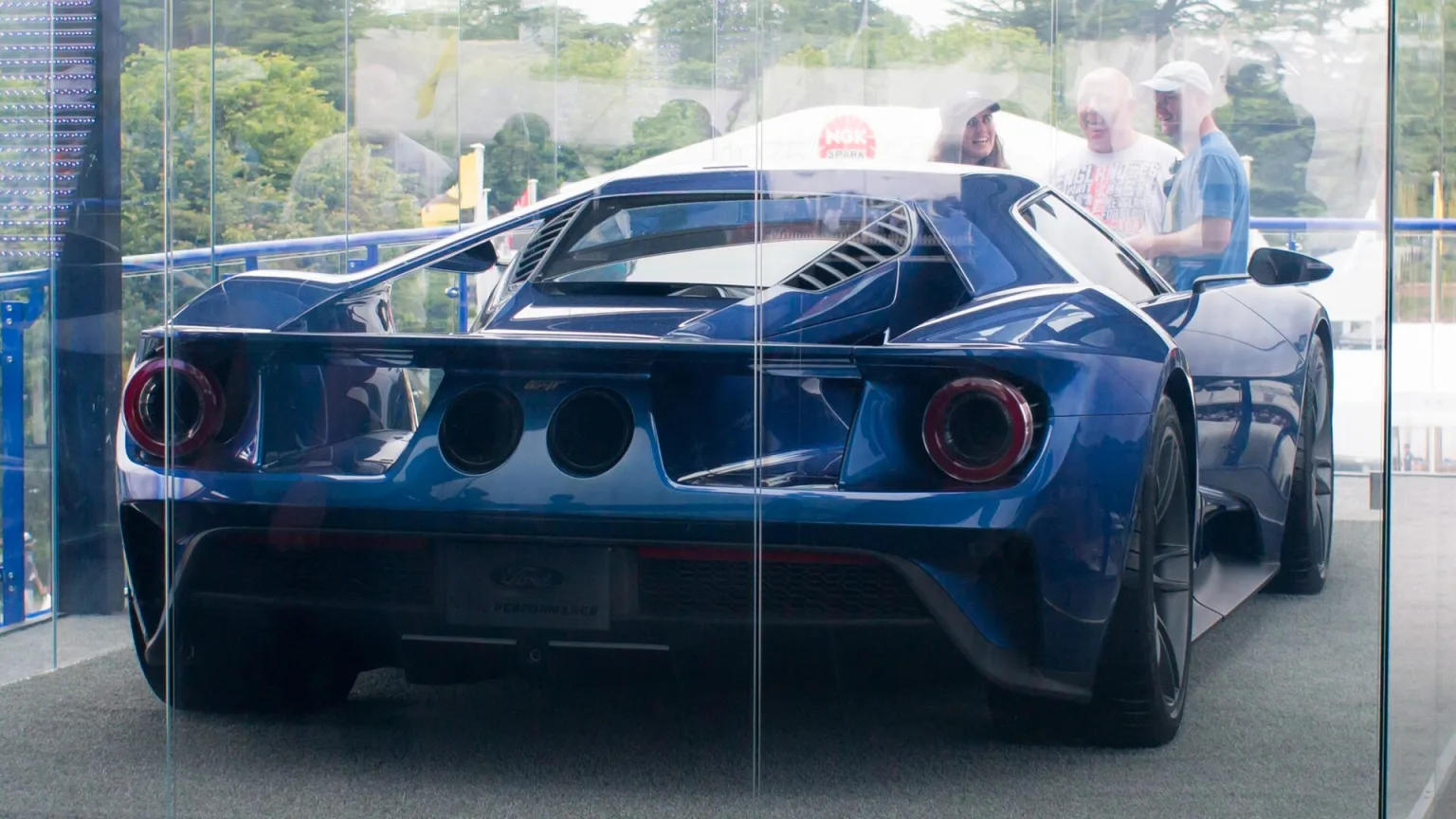
Ford has confirmed that its new-generation GT supercar will be assembled in Canada, with production set to begin in late 2016 at Multimatic’s facility in Markham, Ontario. The announcement was made at the Canadian International AutoShow, marking a major contract for the privately held Canadian engineering firm.
Multimatic, based north of Toronto, is known in the industry for its expertise in lightweight composite materials and advanced automotive engineering. Ford’s decision to partner with Multimatic draws on a history of collaboration between the two companies, including work on the FR500C and Boss 302R racing cars. For the GT project, Multimatic will focus on carbon fibre construction, a move aimed at maximising strength while minimising weight.
The new Ford GT, revealed at the 2015 North American International Auto Show, is positioned as the brand’s flagship supercar. Its chassis and body are built around carbon fibre and aluminium, enabling Ford to claim one of the best power-to-weight ratios for any production car. The car’s mid-mounted 3.5-litre twin-turbocharged EcoBoost V6 is expected to produce more than 600 horsepower, although Ford has not yet released full technical specifications.
Why Multimatic Was Chosen
Ford’s choice of Multimatic is rooted in the supplier’s track record with low-volume, high-performance vehicles. Multimatic’s experience with advanced composites and its previous work on Ford racing programmes made it a logical partner for the GT, which will require precise assembly and strict quality control. The Markham facility’s proximity to Ford’s global engineering resources also played a role in the decision.
Implications for Canadian Manufacturing
The GT contract is a boost for Canada’s automotive sector, which has seen increased competition from US and Mexican plants for new model allocations. While the GT will be built in limited numbers, its production brings attention to Canadian capabilities in advanced vehicle engineering and specialist manufacturing. No details have been released on expected volumes or workforce impact at Multimatic’s Markham site.
Technical Highlights of the 2016 Ford GT
| Engine | 3.5-litre twin-turbocharged EcoBoost V6 |
|---|---|
| Power output | Over 600hp (final figure TBC) |
| Chassis/body | Carbon fibre and aluminium construction |
| Production location | Markham, Ontario, Canada |
| Assembly partner | Multimatic |
Ford’s use of carbon fibre for the GT follows a broader industry trend towards lightweight materials in high-performance models. The company has said the GT’s construction will deliver both improved performance and greater efficiency. Further details on pricing, production numbers and technical specifications are expected closer to the car’s launch.
The decision to build the GT in Canada highlights the growing role of specialist suppliers like Multimatic in the supercar segment, as mainstream manufacturers seek expertise in advanced materials and low-volume production techniques.