GM to Halt Chevrolet Cruze Production in Lordstown for a Week
General Motors will pause Chevrolet Cruze output at its Lordstown, Ohio plant for the week of 28 November 2011 to prevent excess inventory as demand softens.
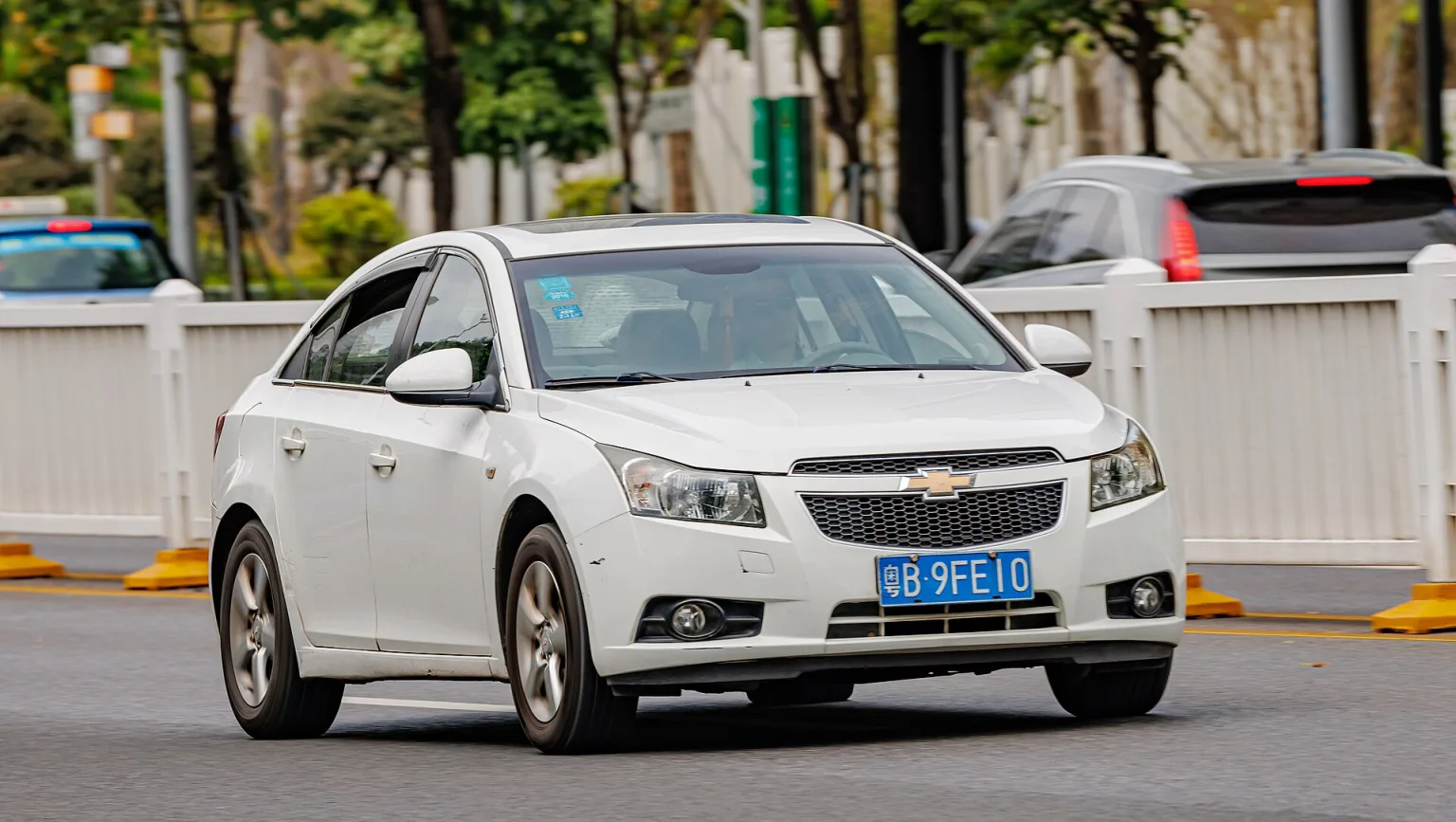
General Motors will suspend production of the Chevrolet Cruze at its Lordstown, Ohio assembly plant for the week beginning 28 November 2011, aiming to prevent a build-up of unsold cars as sales ease into winter.
The move comes as General Motors faces slower autumn sales for the Cruze, with Japanese rivals recovering production lost after the March 2011 earthquake and tsunami. Company officials and union leaders said the temporary halt is intended to keep inventory levels in check and avoid the mistakes of previous downturns, when unsold vehicles accumulated on dealer lots.
At the time of the announcement, GM reported a supply of around 70 days’ worth of Cruzes in the US market. The industry norm is about 60 days. The Lordstown plant’s week-long shutdown is expected to bring inventory closer to target levels before the slower winter selling season.
Managing inventory after strong sales
The Chevrolet Cruze had been one of GM’s strongest performers in 2011, with more than 200,000 units sold in the US by mid-November. That figure put the Cruze among the country’s top ten best-selling vehicles and made it the sixth-best-selling car, surpassing the Chevrolet Cobalt’s best annual result. Even so, the company expects a seasonal dip in demand between November and April, and is acting to avoid overproduction.
The Lordstown plant is scheduled to restart Cruze output on 5 December 2011. No job losses have been announced in connection with the pause, and workers are expected to return as normal after the week’s shutdown.
Upcoming diesel variant for Lordstown
Looking further ahead, GM confirmed plans to invest $5.5 million in the Lordstown facility to enable production of a diesel-powered Cruze from 2013. The investment will fund modifications to the plant’s stamping and body shops. The diesel Cruze is expected to broaden the model’s appeal, although no further details on timing or specifications were provided at the time of the announcement.
The temporary halt at Lordstown is one of several production adjustments GM has made in recent years to better align output with market demand. The company was criticised during the 2008–09 recession for allowing excess stock to build up, and it now aims to avoid repeating that mistake as market conditions shift.
For more on GM’s recent production and recall activity, see General Motors Issues Three More Recalls Covering Over 120,000 Vehicles.