Porsche 718 Boxster Debuts with Turbocharged Four-Cylinder at Geneva
Porsche’s updated Boxster, now badged 718, arrives at the Geneva Motor Show with new turbocharged flat-four engines and sharper styling cues.
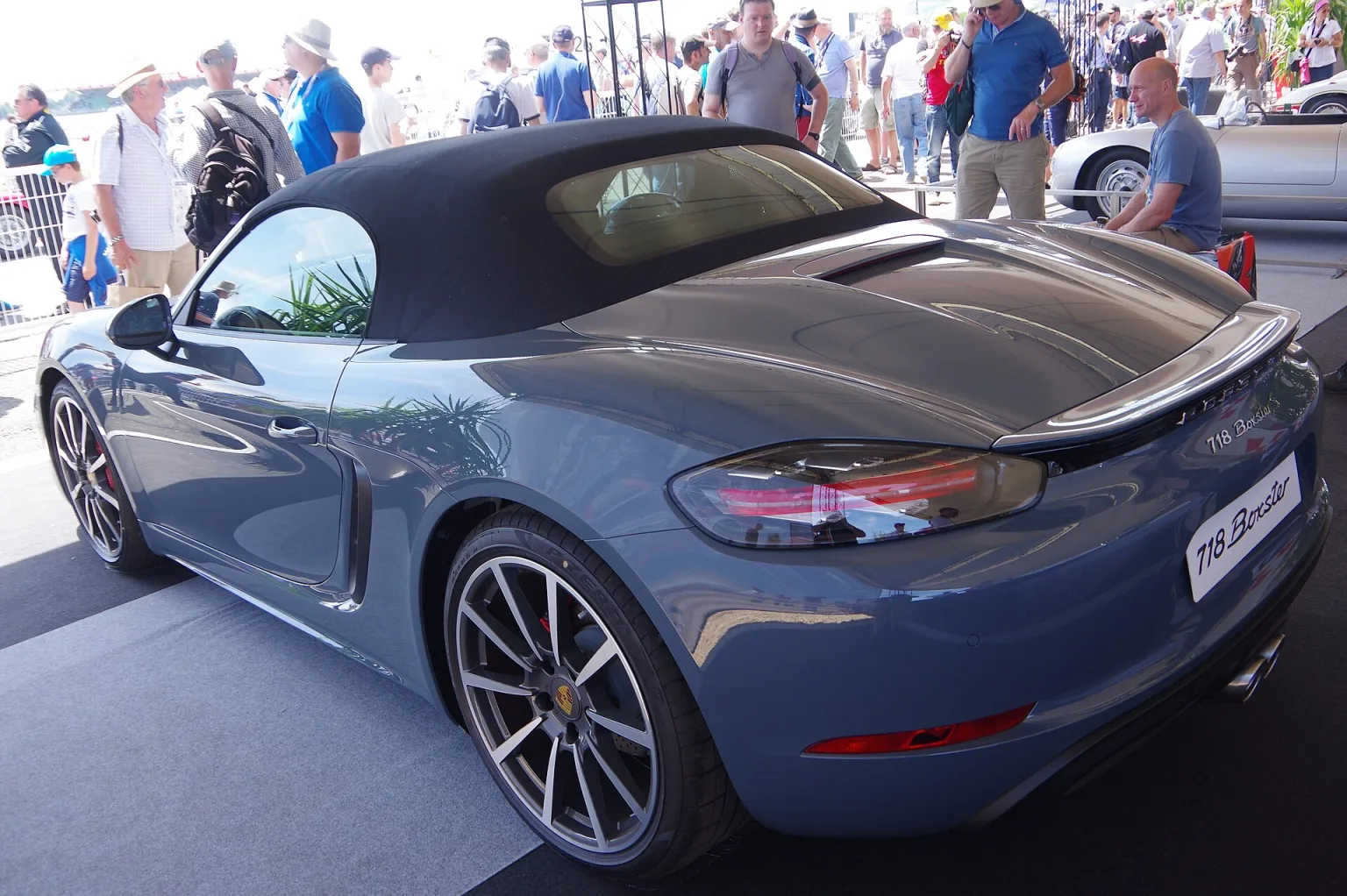
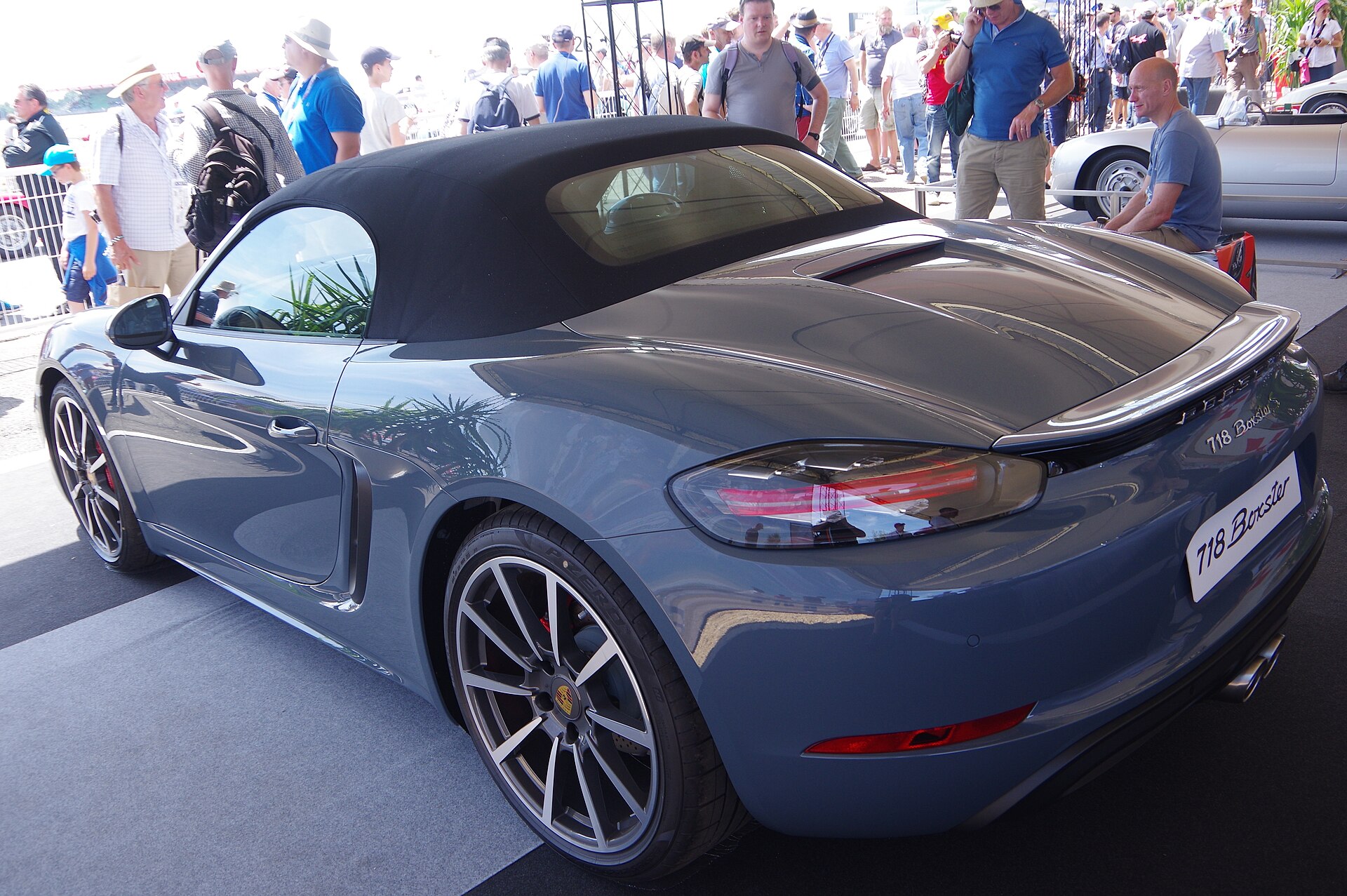
Porsche has unveiled the 718 Boxster at the 2016 Geneva Motor Show, marking a major change for its mid-engined roadster. The new 718 name signals a switch to turbocharged four-cylinder engines, replacing the previous naturally aspirated six-cylinder units.
The 718 Boxster’s most notable update is under the rear deck. The standard model now uses a 2.0-litre turbocharged flat-four producing 300hp and 280lb ft of torque. This represents a 35hp and 74lb ft increase over the outgoing 2.7-litre six, despite the drop in cylinder count and displacement. The Boxster S moves to a 2.5-litre turbocharged flat-four, delivering 350hp and 309lb ft, again, 35hp and 43lb ft up on its predecessor.
Porsche claims the 718 Boxster S can accelerate from 0 to 60mph in four seconds flat when fitted with the PDK dual-clutch transmission and Sport Chrono Package. Top speed is quoted at 177mph. Fuel consumption is also improved, with Porsche stating a 13 percent rise in efficiency across the range compared to the previous Boxster.
Styling and Interior Changes
While the overall silhouette remains familiar, the 718 Boxster gains a more aggressive front end with larger air intakes and new bi-xenon headlights featuring integrated LED daytime running lights. The rear receives three-dimensional LED tail lights and a new accent strip carrying Porsche lettering. Side skirts and air intakes are also revised, and new door handles complete the exterior updates.
Inside, the changes are more restrained. A new dashboard with circular air vents, a redesigned steering wheel and an upgraded Porsche Communication Management system mark the main updates. The rest of the cabin layout remains close to the outgoing model, maintaining the Boxster’s traditional driver-focused feel.
What the 718 Name Means
The 718 badge is a reference to Porsche’s four-cylinder sports cars of the late 1950s and early 1960s, which claimed victories at Le Mans and in Formula 2. By reviving the name, Porsche is signalling a return to four-cylinder power, but with modern turbocharging and emissions gains.