Germany Plans Free Parking to Boost Electric Vehicle Uptake
German legislators have backed a bill enabling cities to offer free parking and other privileges to electric vehicle owners, aiming for one million units on the road by 2020.
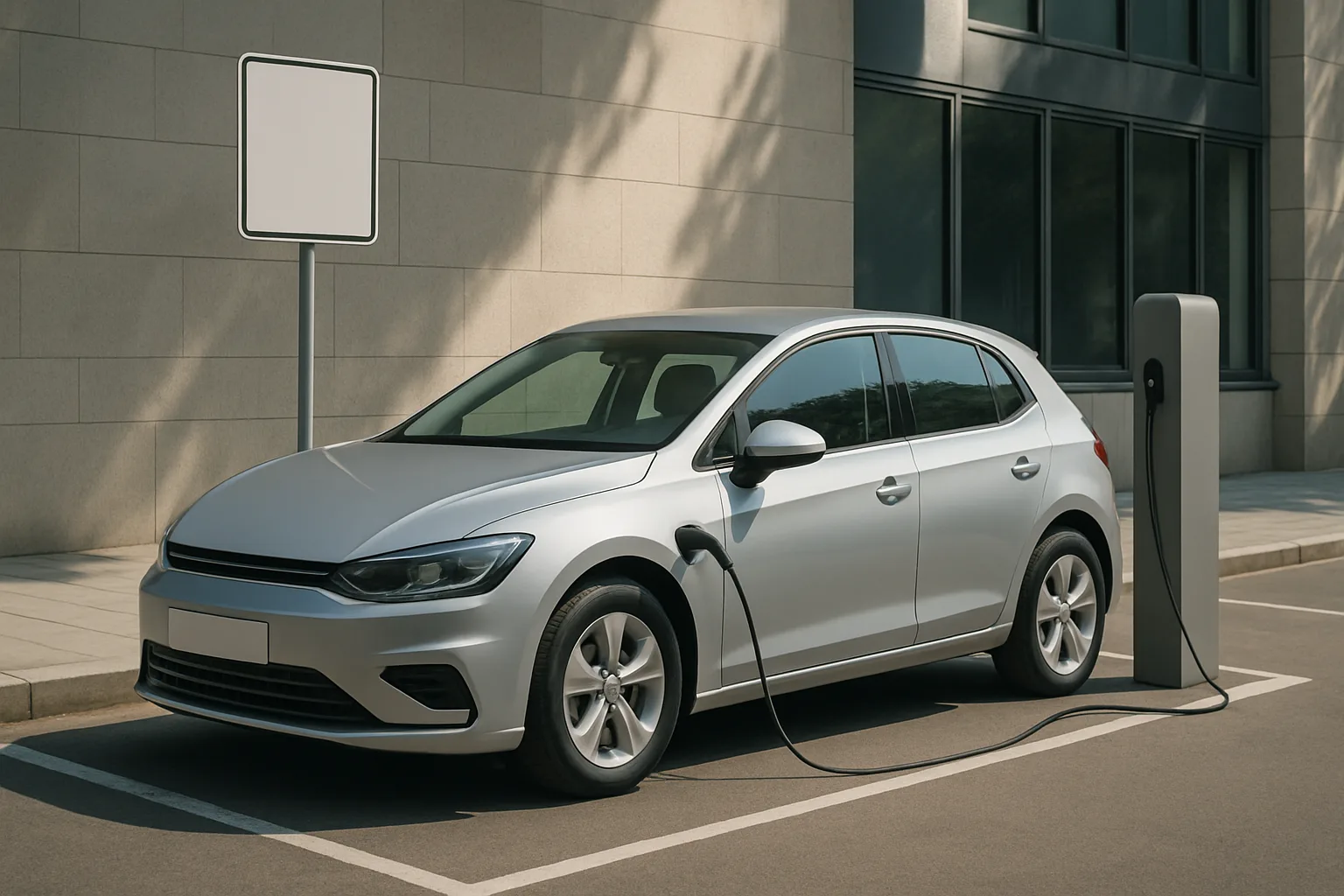
German lawmakers have approved a bill that would allow cities to offer free parking and additional privileges to owners of electric vehicles, as part of a push to accelerate EV adoption and hit a government target of one million units on the road by 2020.
The measure, backed by Chancellor Angela Merkel’s cabinet in September 2014, gives municipalities the authority to grant free parking spaces to electric cars, plug-in hybrids and fuel cell vehicles. Cities could also permit EVs to use bus-only lanes, a move intended to make zero-emission vehicles more attractive in urban centres where parking is scarce and traffic congestion is high.
Germany’s electric vehicle ambitions
At the start of 2014, Germany had only around 21,000 electric vehicles on its roads. The government’s stated goal of reaching one million units by 2020 set a steep trajectory for growth, especially given the country’s established motoring culture and strong legacy of combustion-engine vehicles.
Transport Minister Alexander Dobrindt said electric cars would receive special labels to make them easily identifiable, ensuring that enforcement of parking and lane privileges would be straightforward for local authorities. The government expects that a growing range of electric models and increased visibility of EVs will help drive sales.
What the plan means for buyers and cities
For buyers, the prospect of free parking in urban areas could offset some of the higher upfront costs associated with electric vehicles. In many German cities, parking is both expensive and difficult to find, so the incentive is likely to appeal directly to commuters and city dwellers. Access to bus lanes may also shorten journey times for EV drivers, further improving the value proposition.
Municipalities will have the discretion to decide whether and how to implement these privileges, meaning the impact could vary widely between regions. The bill applies not only to battery-electric vehicles but also to plug-in hybrids and hydrogen fuel cell cars, provided they meet emissions and electric-only range criteria set by the government.
Challenges to hitting the target
Despite the incentives, reaching one million EVs by 2020 would require a dramatic increase in sales. At the time of the bill’s approval, the market for electric vehicles in Germany remained small, with most buyers still opting for petrol or diesel models. The government’s approach relies on a combination of financial and practical benefits to shift consumer behaviour.
The bill’s passage follows similar moves in other European countries, where local incentives have been used to stimulate demand for low-emission vehicles. Germany’s plan puts the onus on cities to implement measures that suit their own traffic and environmental needs.