Germany to Exempt Electric Cars from Vehicle Tax Until 2020
Draft government plans would give buyers of new electric cars a 10-year vehicle tax exemption, aiming to accelerate EV adoption ahead of the 2020 target.
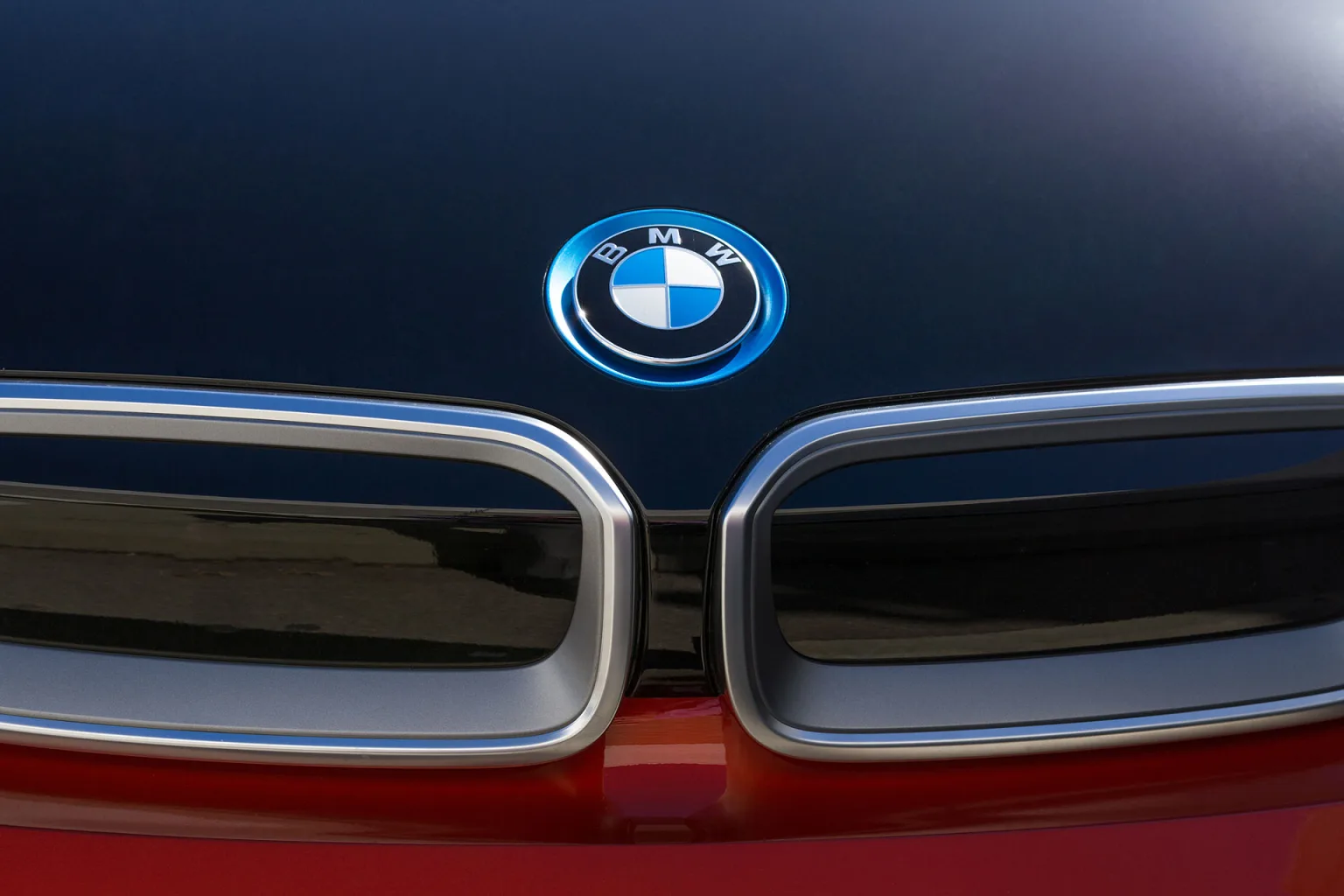
Buyers of new electric cars in Germany look set to receive a 10-year exemption from vehicle tax, under a draft plan by the federal government intended to boost sales of battery-powered vehicles ahead of 2020. The proposal, seen in a government document reported by Reuters, would apply to all new electric cars registered before the end of 2020.
The exemption is part of a broader package under discussion to encourage electric vehicle uptake. Besides the tax break, the government intends to support a rapid expansion of public charging infrastructure, which has been identified as a major barrier to EV adoption in Germany. The draft also calls for at least 20% of new government fleet vehicles to be electric from the following year, and outlines a research programme focused on battery technology development.
Aiming for a million electric vehicles
Chancellor Angela Merkel’s government has set a target of one million electric and plug-in hybrid vehicles on German roads by 2020. As of early 2016, however, only around 25,500 electric cars and 130,000 hybrids were registered, according to data from the Federal Motor Transport Authority. The new tax exemption is intended to help close that gap.
Industry executives have pushed for direct cash incentives, but the draft plan does not include rebates at this stage. The government has left the door open to further incentives, with a decision on possible cash bonuses expected later in the month.
Charging network and government fleet measures
The tax exemption is one of several measures designed to address both supply and demand for electric vehicles. Expansion of the charging network is seen as critical, both to reassure private buyers and to support increased use of electric vehicles in public sector fleets. The government’s aim for 20% of its new vehicles to be electric from next year is intended to set an example and stimulate demand among fleet operators.
Further details on the implementation of the tax exemption, as well as the timeline for charging infrastructure expansion, are expected as the government finalises its package. The proposals come as Germany seeks to catch up with other European countries offering more generous incentives for electric vehicles. For context, see our coverage of Germany’s previous incentive discussions at/germany-mulls-increased-ev-sales-with-free-parking-plan.