Russia Overtakes Germany as Europe’s Biggest Car Market, Twice
Russia first surpassed Germany in new car sales in 2008 and briefly reclaimed second place in August 2026, but experts caution the latest leap is unlikely to last.
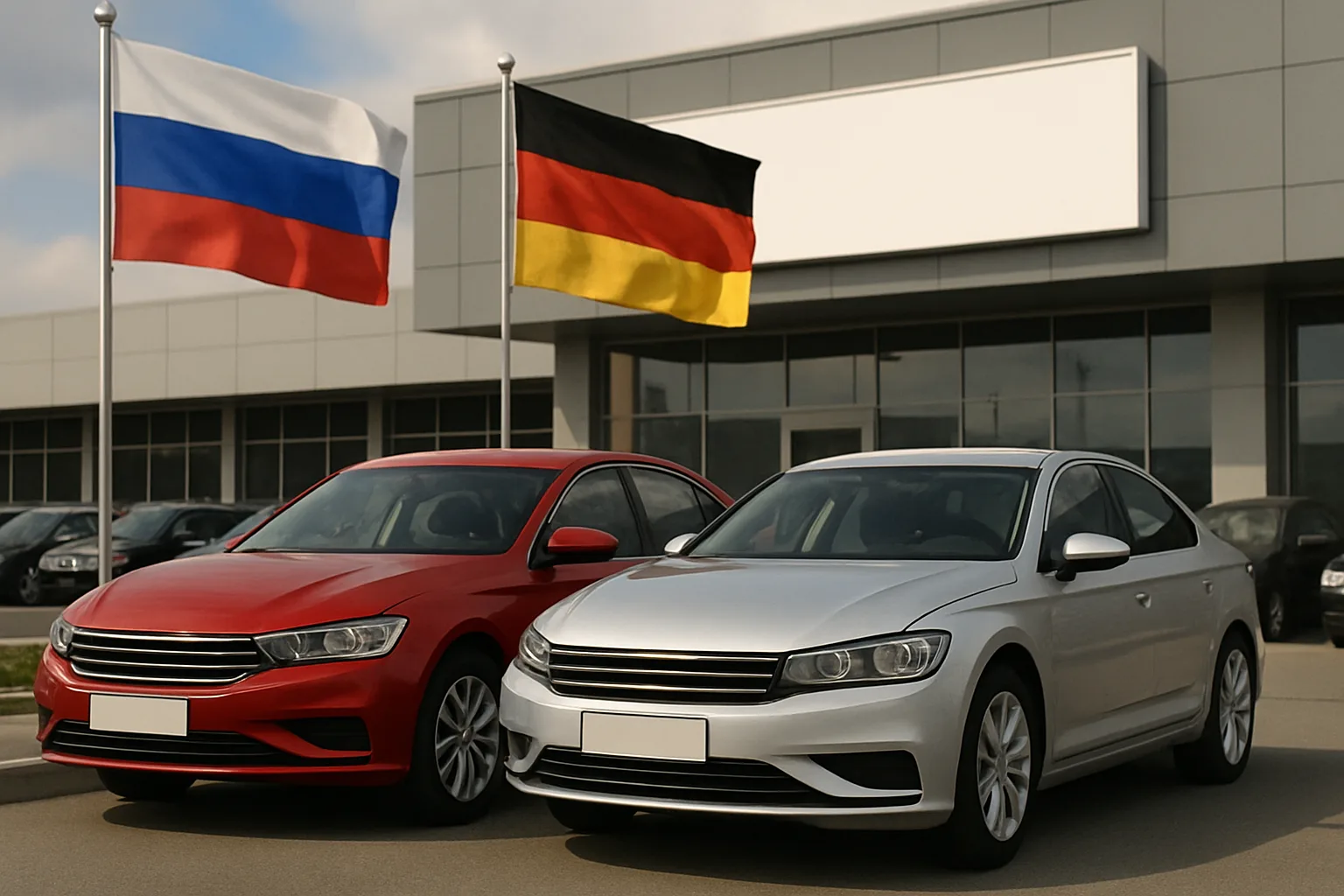
Russia has twice unseated Germany as Europe’s largest car market, first in 2008 and again with a brief surge to second place in August 2026. Both moments reflect how quickly fortunes can shift in the European automotive sector, but neither signals a lasting change at the top.
2008: Russia’s First Rise to the Top
In the first half of 2008, Russia edged out Germany to become Europe’s largest car market by new registrations. According to PricewaterhouseCoopers, Russian new-car registrations reached 1.64 million, just ahead of Germany’s 1.63 million. The surge was fuelled by strong economic growth and rising oil revenues, which boosted consumer spending power. Forecasts at the time predicted Russian sales would finish the year between 3.6 and 3.8 million units, while German sales were expected to reach 3.2 million.
This period marked a high point for the Russian car market, with growth rates far outpacing Western Europe. The momentum, however, did not last. Subsequent years brought economic headwinds, currency volatility and, eventually, international sanctions, all of which dampened demand and investment.
August 2026: A Temporary Surge
In August 2026, Russia again climbed the European sales rankings, moving from fifth place in July to second place in August. Russian dealers delivered 114,285 new passenger cars, surpassing France, the UK, Italy and Spain. Germany retained its lead with 212,563 new cars sold. France and the UK followed with 94,351 and 94,236 units respectively.
| Country | Sales (units) | Change (%) |
|---|---|---|
| Germany | 212,563 | +2.6 |
| Russia | 114,285 | -6.5 |
| France | 94,351 | +7.4 |
| United Kingdom | 94,236 | +13.7 |
| Italy | 69,411 | +3.2 |
| Spain | 68,544 | +11.8 |
Despite the leap, Russia’s August sales were actually down 6.5% year-on-year. The move up the rankings came as other European markets slowed for the summer holiday period, a seasonal dip that does not reflect underlying demand. Analysts including Igor Morzharetto called Russia’s rise a “temporary spurt”, noting that favourable exchange rates and established parallel import channels for European, Japanese and Korean brands contributed to the August result.
For the first eight months of 2026, Russian new car sales rose 9.3% to 845,000 units. The Association of European Businesses had forecast 2026 growth of 2.5% to 1.4 million cars, but experts now expect Russia to finish the year in fifth or sixth place. Structural barriers, such as high taxes, tariffs and a recycling fee that can make up half the price of a new car, continue to limit the market’s long-term potential.
Parallel Imports and Market Dynamics
Demand for foreign brands remains high in Russia, even after many European, Japanese and Korean manufacturers exited the market. Parallel imports, often routed through China, have kept supply flowing, with established logistics reducing wait times to under three months for most models. Still, this workaround cannot fully compensate for the higher costs imposed by tariffs and regulatory fees.
Looking at the broader European market, seasonal swings and economic factors continue to shape rankings. Germany’s position at the top remains secure for now, with a strong rebound in 2026 and a resilient domestic industry. Russia’s brief surges highlight its underlying demand but also its vulnerability to policy, currency and supply chain disruptions.
What to Expect for the Rest of 2026
Analysts predict Russia will fall back in the rankings by year-end, with annual sales likely to match or slightly exceed 2025’s 1.3 million units. Rising prices, a heavy tax burden and persistent import barriers are expected to restrain further growth. The August surge, while notable, is not seen as a sign of lasting change in the European market hierarchy.