Battery Explosion at GM Tech Centre Leaves One Critically Injured
A lithium-ion battery exploded during testing at GM’s Warren, Michigan facility, sending at least two people to hospital and raising questions about battery safety protocols.
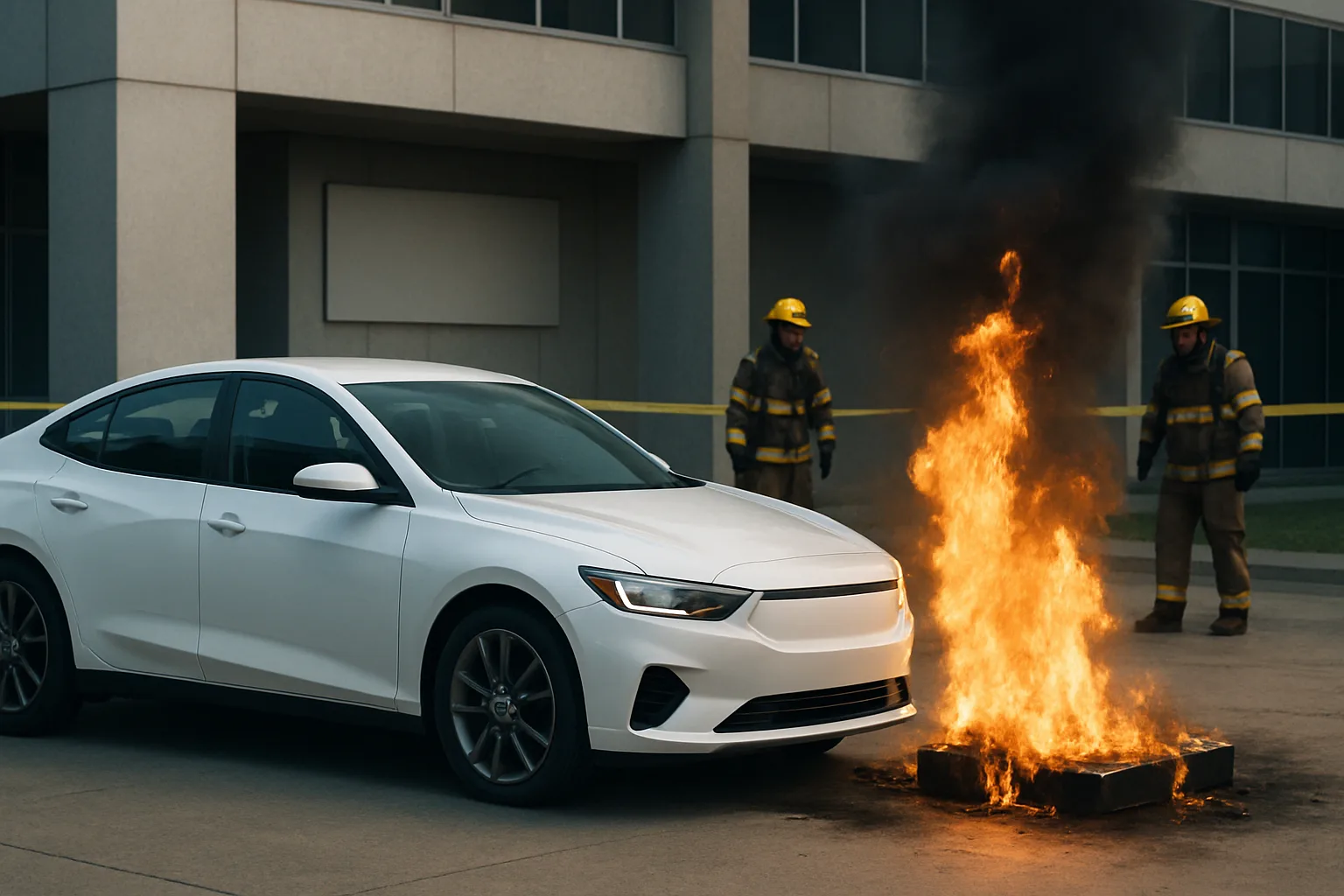
A lithium-ion battery pack exploded at General Motors’ Warren, Michigan technical centre on Wednesday, injuring at least two employees and prompting renewed scrutiny of battery safety in automotive development. The incident occurred during testing of an experimental battery system supplied by A123 Systems, a firm contracted to provide lithium-ion packs for the upcoming Chevrolet Spark EV.
GM stated that chemical gases released from the battery cells ignited in the enclosed test chamber. The battery itself remained intact, according to the company. Emergency services reported smoke but not extensive fire at the scene. Five staff were medically evaluated, with one sustaining life-threatening injuries, according to Warren fire commissioner Wilburt McAdams, as cited by the Detroit Free Press.
Details of the incident
The battery involved was built by A123 Systems, a Massachusetts-based supplier selected for the Chevrolet Spark EV, which was due to launch the following year. The explosion occurred during a routine test in a controlled environment. GM has not released further details regarding the precise circumstances or the specific test being conducted at the time.
The Warren Fire Department responded quickly, reporting limited fire but enough smoke to warrant evacuation and medical checks for staff in the affected area. GM confirmed that five employees were assessed by medical personnel, with one requiring further treatment.
Battery safety under scrutiny
The incident highlights the risks associated with high-energy lithium-ion batteries, especially during development and testing. Gases released from battery cells under stress or failure conditions can be flammable and, in an enclosed space, pose a serious ignition hazard. GM’s statement that the battery itself remained intact suggests the explosion was caused by vented gases rather than catastrophic cell rupture.
A123 Systems, the supplier involved, was under contract to provide batteries for the Chevrolet Spark EV. The company has previously supplied battery technology to other manufacturers and has faced challenges with battery reliability in the past. No immediate recall or change to production plans was announced following the explosion.
Implications for electric vehicle development
With the automotive sector investing heavily in electric vehicle technology, incidents such as this underline the importance of robust safety protocols in battery development and validation. While GM has not indicated any delay to the Spark EV programme, the explosion will likely prompt further internal reviews of testing procedures and supplier quality assurance.
No changes to A123 Systems’ supply arrangements or to the Spark EV’s launch schedule were announced in the immediate aftermath. The incident follows other high-profile battery safety concerns in the industry, including fires involving electric and plug-in hybrid vehicles from other manufacturers. For further context on battery supply and manufacturing developments, see Tesla selects Nevada for $5bn battery gigafactory.