GM develops Wi-Fi Direct pedestrian detection system
General Motors is working on a wireless pedestrian detection system using Wi-Fi Direct, aiming to alert drivers to pedestrians and cyclists carrying compatible smartphones.
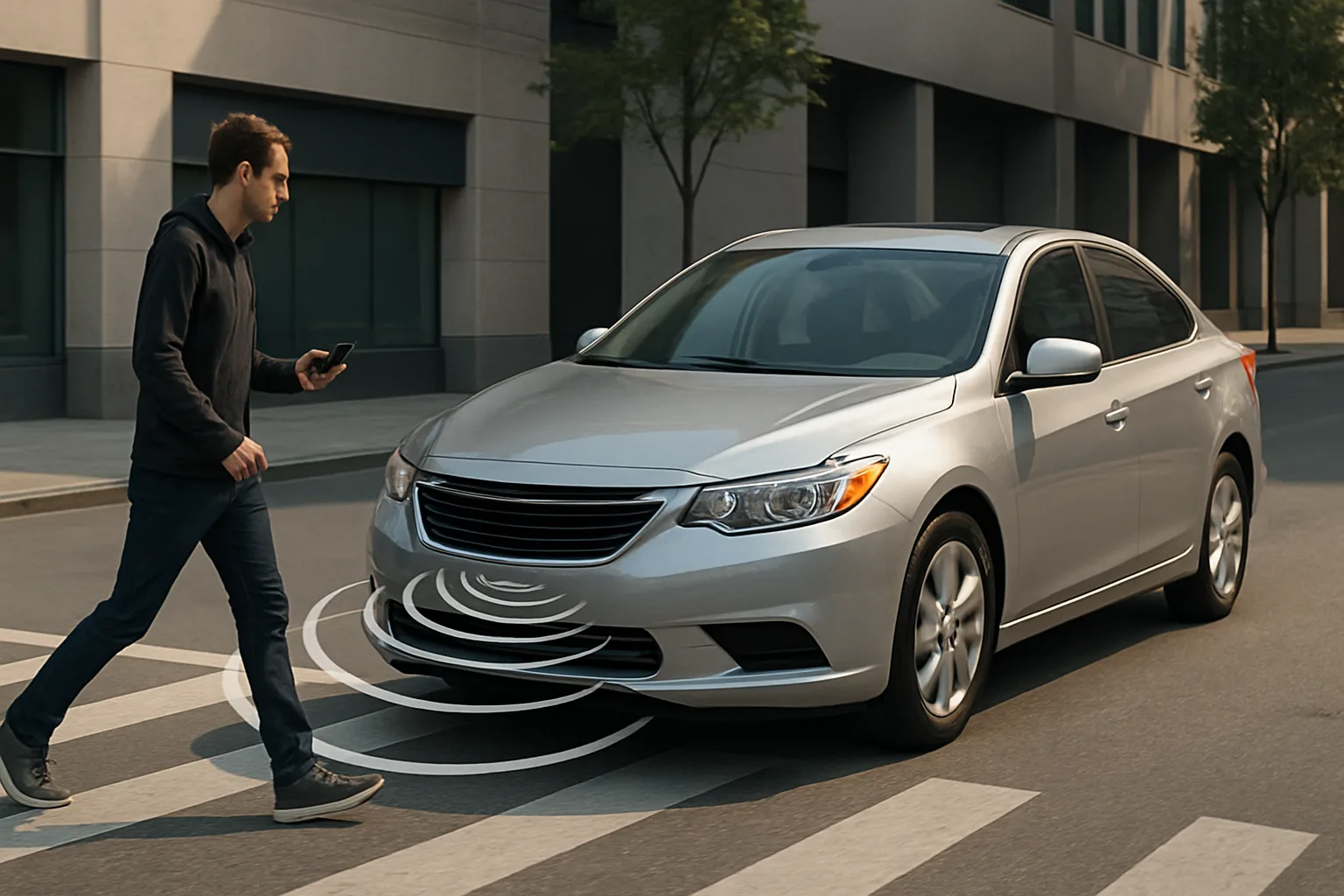
General Motors has confirmed it is developing a wireless pedestrian detection system using Wi-Fi Direct, a peer-to-peer connectivity protocol. The technology is intended to alert drivers to the presence of pedestrians and cyclists carrying compatible smartphones, with the aim of reducing collisions in urban environments.
Wi-Fi Direct allows devices to connect directly without the need for an intermediary wireless access point. In GM's concept, vehicles equipped with the technology would be able to detect smartphones and other devices carried by pedestrians or cyclists, provided those devices also support Wi-Fi Direct. This direct connection enables the car to identify the presence of people who may be about to cross the road or who are in the vehicle’s blind spot, potentially before they become visible to the driver or to conventional sensors.
How the system works
GM's research team has found that integrating Wi-Fi Direct with existing sensor-based object detection and driver alert systems could improve the detection of vulnerable road users. The company is also developing a smartphone app for people at higher risk, such as bike couriers or construction workers. When installed on a Wi-Fi Direct-capable phone, the app would broadcast the user’s presence to nearby vehicles equipped with the detection system.
Unlike camera or radar-based systems, which rely on line of sight, the Wi-Fi Direct approach can theoretically detect users even when they are obscured by parked vehicles or other obstacles. This could give drivers earlier warnings and more time to react. The technology is not limited to pedestrians; cyclists and potentially other road users carrying compatible devices could also be detected.
Integration with existing safety systems
GM’s vision is to integrate the wireless detection capability with current driver-assistance features already in production, such as automatic emergency braking and blind-spot monitoring. By layering Wi-Fi Direct alerts on top of sensor-based detection, the company hopes to create a more comprehensive safety net for both drivers and vulnerable road users.
The company has not announced a timeline for production deployment or confirmed which models will receive the technology first. The system’s effectiveness would depend on widespread adoption of Wi-Fi Direct-enabled smartphones and the willingness of pedestrians and cyclists to use the dedicated app.
Context in wider safety technology
Wireless pedestrian detection is one of several approaches under development to address urban road safety. Other manufacturers and suppliers have focused on camera, radar and infrared-based systems, such as those covered inBosch Night Vision Plus Brings Pedestrian Detection to Production Cars. GM’s Wi-Fi Direct system differs by relying on connectivity rather than environmental sensing. Its success will likely depend on how quickly smartphone and vehicle technology converge to support this type of communication.