GM confirms 2016 closure of Opel Bochum plant, ending over 50 years of production
Opel will halt vehicle manufacturing at its Bochum facility in 2016, affecting 3,000 workers, as GM addresses persistent overcapacity in its European operations.
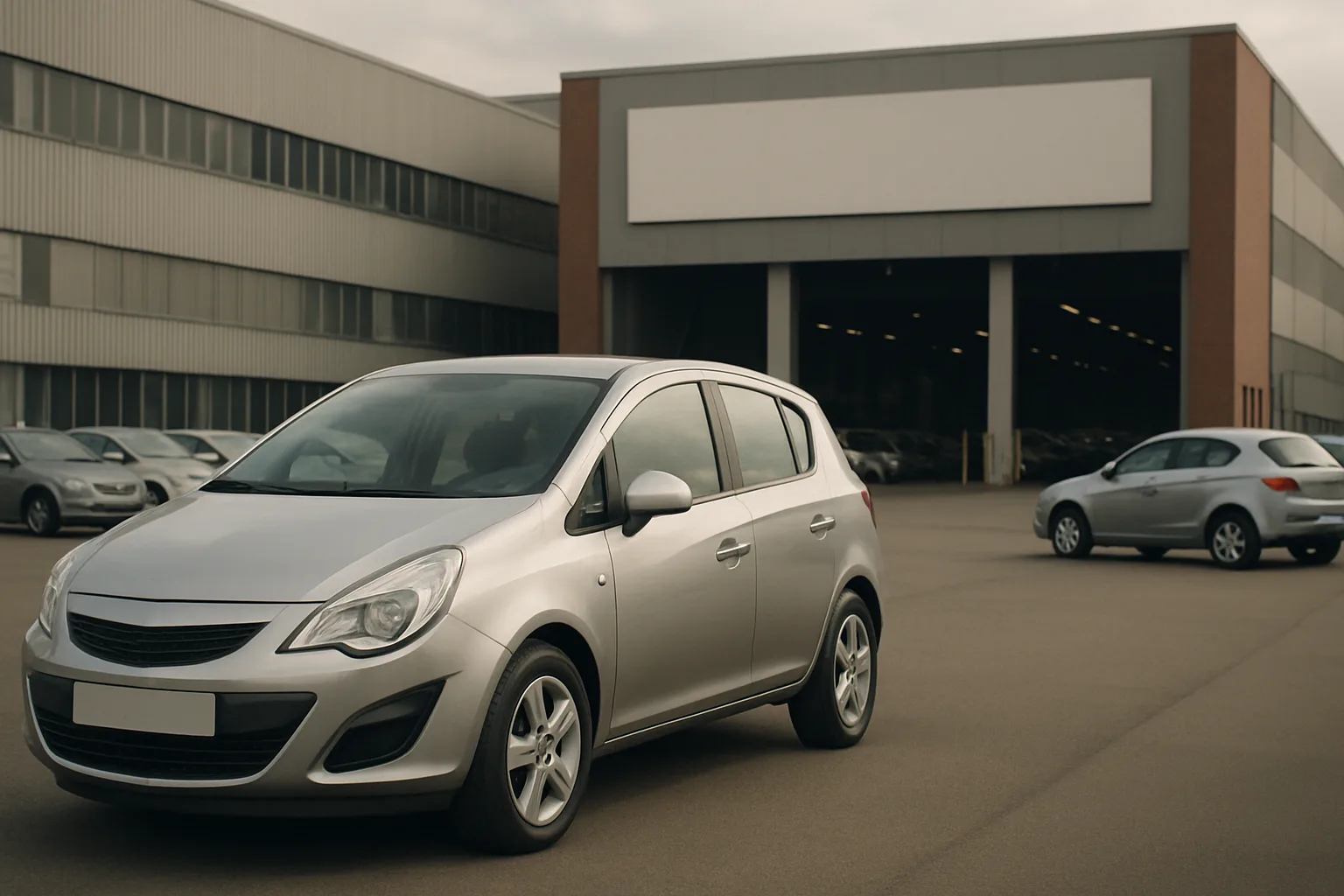
General Motors has confirmed it will cease vehicle production at the Opel plant in Bochum, western Germany, at the end of 2016. The decision, announced to workers and the press in December 2012, affects around 3,000 employees and marks the end of more than five decades of car assembly at the site.
GM Announces Closure of Opel Plant in Bochum
Background and History of the Bochum Plant
The Bochum factory was established in 1962 and has been a significant employer in the Ruhr region ever since. For most of its recent history, the plant has produced the Opel Zafira, a compact MPV. GM had previously indicated that Bochum would continue operations until the end of the Zafira’s production cycle. However, with demand for the model weakening and overcapacity across its European network, the company has now set a firm closure date for the end of 2016.
Reasons for Closure
GM cited persistent overcapacity and sustained losses in its European operations as the main reasons behind the Bochum closure. The European car market has faced stagnant sales and fierce competition, making it difficult for manufacturers to maintain profitability. Demand for the Zafira has declined, and Opel’s attempts to adjust by reducing work hours at Bochum were not enough to secure the plant’s future. Management informed staff that no alternative to closure had been found, and that car production would not continue beyond the current model run.
Impact on Workers and the Local Economy
The closure will affect approximately 3,000 employees at the Bochum facility. Many of these workers had already seen shorter work shifts in response to falling demand for the Zafira. The announcement has brought uncertainty for both the workforce and the wider Bochum community, which has relied on the plant as a major source of employment for over 50 years. No details have been given about future use of the Bochum site or redeployment of its workforce after 2016, leaving the local economy facing significant challenges.
Opel’s Other German Operations
Bochum is one of four Opel vehicle and component plants in Germany. The others are located in Rüsselsheim, Kaiserslautern and Eisenach. While Bochum’s closure will end car production there, Opel has not announced changes to its other German sites. The Eisenach plant, for example, was recently chosen for production of the Opel Junior (Adam) model, reflecting a shift in investment priorities within the company.
Industry Context and Similar Closures
GM’s decision comes after similar moves by other manufacturers to address overcapacity in Europe. Opel itself has closed its Antwerp, Belgium plant and a van facility in Portugal in recent years. The Luton car plant in England also ceased production, though van assembly continues. Ford, too, has announced the closure of its Genk plant in Belgium, affecting thousands of workers. These closures reflect the broader challenges faced by the European automotive industry, as companies seek to adapt to shifting demand and economic pressures.
Future Prospects for Bochum
No plans have been announced for new models or investments at the Bochum facility after 2016. The future of the site and its workforce remains uncertain. The end of car production at Bochum marks a significant moment for both Opel and the Ruhr region, concluding more than half a century of automotive manufacturing at the plant.