GM Korea Workers Stage Six-Hour Partial Strike Over Wages and Production Plans
Unionised workers at GM Korea held a six-hour partial strike on 4 July, halting production and refusing overtime as wage talks stalled and concerns grew over future manufacturing plans.
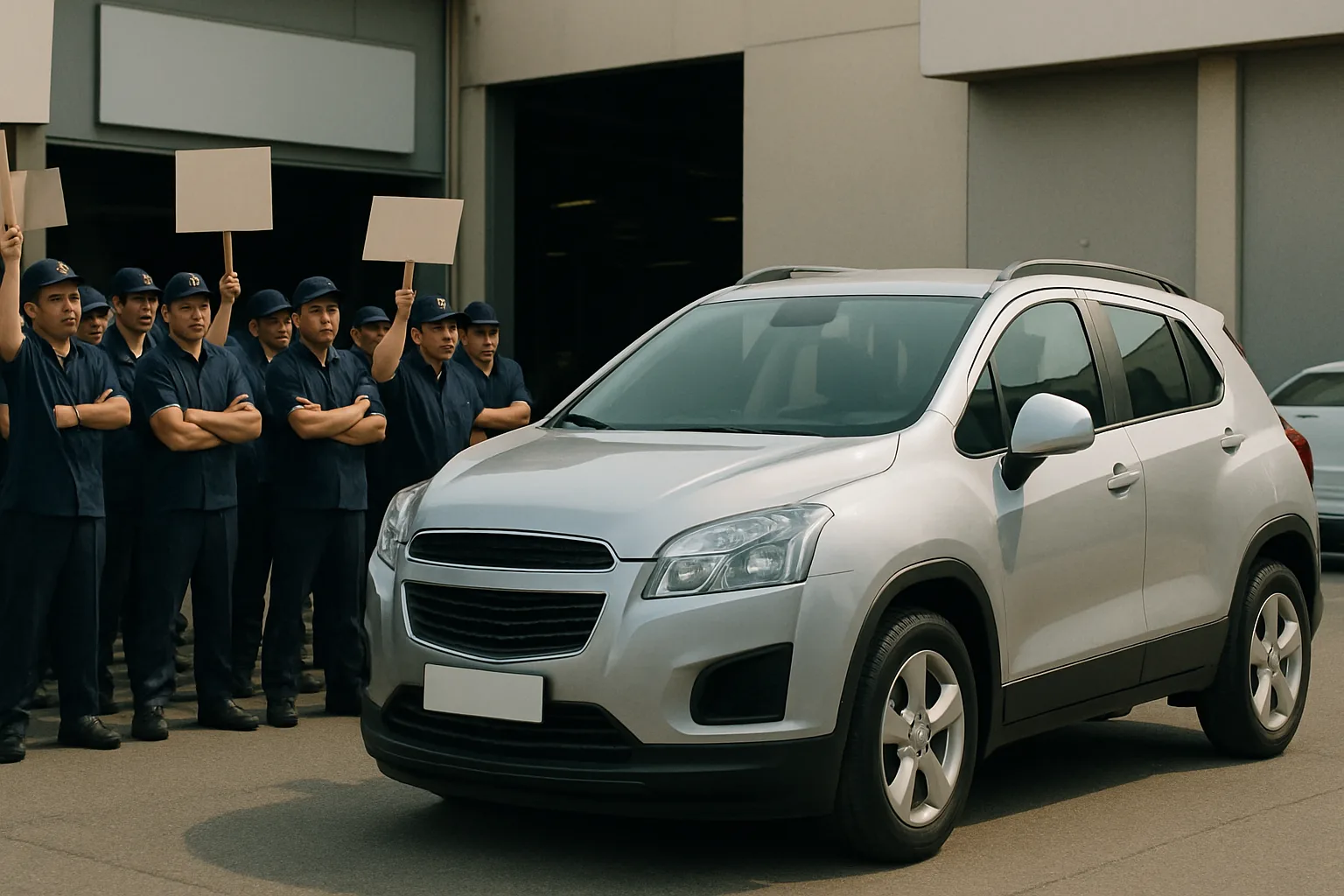
Unionised workers at GM's South Korean operations staged a six-hour partial strike on 4 July, following a breakdown in annual wage negotiations and growing unease about the company's future production plans in the country.
The action, which included a refusal to work overtime and at weekends, came after months of talks that began in April failed to yield a deal. The union, represented by spokesman Choi Jong-hak, said workers would decide whether to continue or escalate strike action depending on the progress of further discussions with management.
Wage Dispute and Production Uncertainty
The dispute is rooted in both pay and the allocation of future models to South Korean plants. GM Korea's union has argued that labour costs per vehicle in South Korea are lower than in Australia and Russia, challenging the company's stance on wage restraint. At the same time, GM's decision not to build the next-generation Chevrolet Cruze in Korea has heightened fears of restructuring and potential job losses among the workforce.
Management, including GM CEO Dan Akerson, has expressed concern about rising labour costs, especially in light of ongoing wage-related lawsuits filed by workers in South Korea. The union contends that the company has not made any concrete proposals during recent negotiations, making a swift resolution unlikely.
Potential for Further Disruption
The partial strike is the latest in a series of industrial actions affecting automakers in South Korea, a market where unions have historically taken a strong stance in wage negotiations. The GM Korea union has warned that, without meaningful progress in talks, further disruption is likely. The refusal to work overtime and weekends could slow output even after the initial six-hour strike, affecting supply to both domestic and export markets.
The dispute comes at a time when GM is under pressure to manage costs globally and reconsider its manufacturing footprint. GM Korea is a key exporter for the group, but uncertainty over future model allocation and cost competitiveness has put the long-term role of its plants under scrutiny. For further context on GM's production strategy in South Korea, seeGM weighs South Korea production cut as labour costs rise.
What’s at Stake for Workers and GM
For GM Korea’s 13,000 unionised workers, the outcome of these talks will determine not only wage levels but also the security of jobs tied to future vehicle production. For GM, the dispute highlights the challenge of balancing cost control with labour relations in a market critical to its global supply chain. The situation remains fluid, with the possibility of further strikes if negotiations continue to stall.