Mika Salo backs stewards’ leniency on hard F1 racing in 2013
FIA steward Mika Salo says drivers should not be penalised for aggressive but fair racing, after Bahrain’s wheel-to-wheel battles went unpunished.
FIA steward Mika Salo has confirmed that Formula One stewards are taking a more lenient approach to hard racing in the 2013 season, following a winter agreement aimed at encouraging closer on-track battles. His comments come after the Bahrain Grand Prix, where several aggressive moves, including contact between McLaren teammates, went without penalty.
Salo, who served as the drivers’ steward at Sakhir, said the panel had seen “really good racing” and made a conscious effort not to penalise robust but fair fights. The Finn told Finnish broadcaster MTV3 that while some drivers, such as Jenson Button, were unhappy about aggressive tactics, specifically when Sergio Perez made contact with him, the stewards viewed it as acceptable competition rather than grounds for a penalty.
“I encourage just this kind of hard fighting, which should not be punished,” Salo said. He acknowledged that Perez’s approach was forceful and could have ended both drivers’ races, but maintained it was within the spirit of racing the sport wants to promote.
No penalty for Alonso’s DRS issue
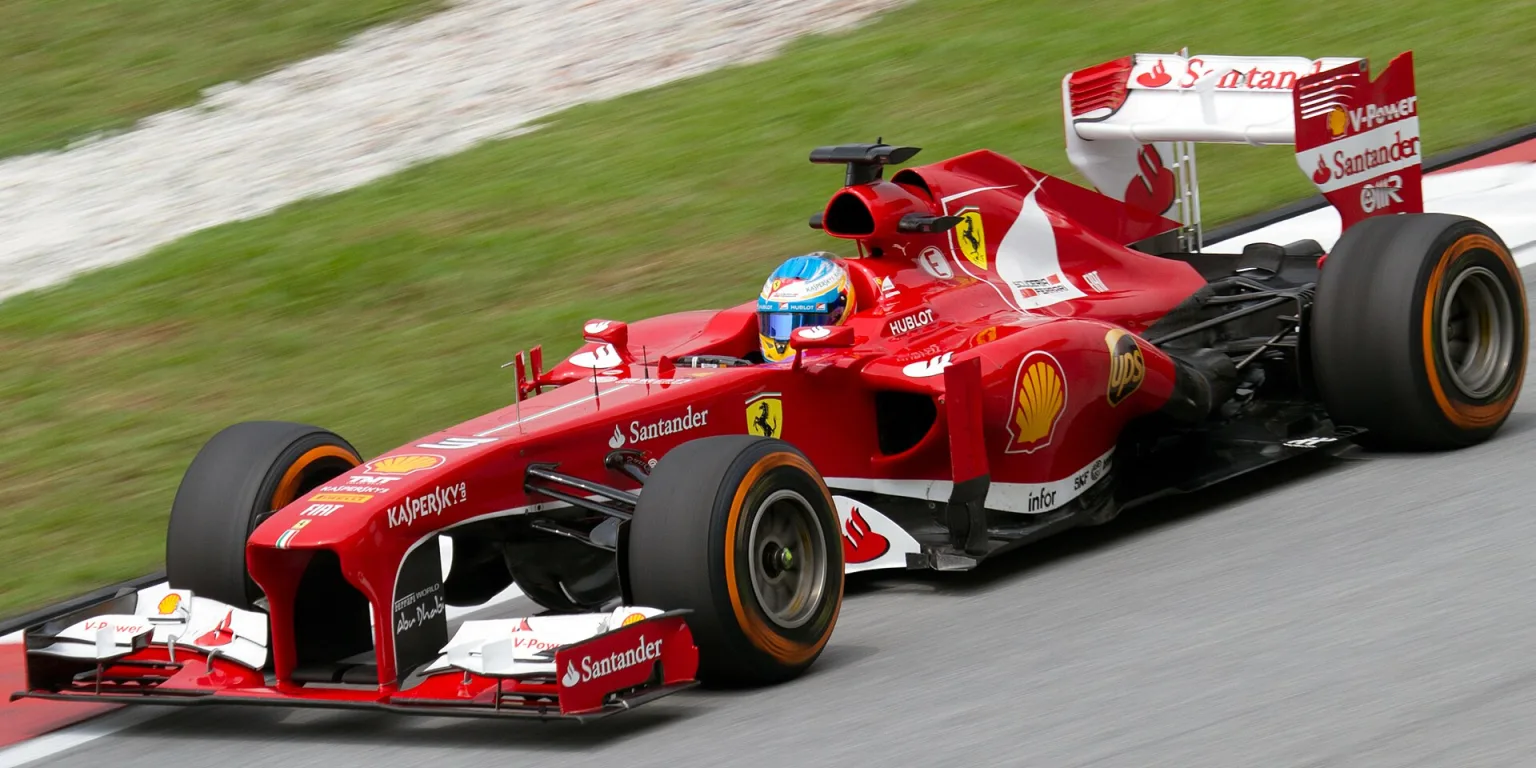
Another incident attracting attention in Bahrain was Fernando Alonso’s rear wing DRS flap becoming stuck open. Under normal circumstances, illegal use of DRS can attract a penalty, but Salo explained that this was treated as a technical fault, not a breach of regulations. The stewards did not investigate, as no team lodged a protest and the issue was seen as having already compromised Alonso’s race.
Stewards’ approach shaped by winter agreement
The shift towards fewer penalties follows a private meeting of stewards and officials before the 2013 season, where it was agreed that greater leniency could help revive the kind of wheel-to-wheel action many fans and teams had been calling for. The aim is to avoid discouraging drivers from racing hard, provided their actions remain fair and do not endanger others.
This philosophy was visible throughout the Bahrain weekend, with the stewards opting to let racing incidents go unless there was clear evidence of reckless or dangerous behaviour. The approach has been generally welcomed by drivers who prefer to settle disputes on track rather than in the stewards’ room.
Impact on drivers and teams
For drivers, the change means greater freedom to race aggressively without fear of automatic penalties for minor contact. Teams, meanwhile, have to weigh the risks and rewards of instructing drivers to push the limits, knowing that stewards are less likely to intervene unless a clear line is crossed. This has already led to more visible intra-team battles, as seen with Perez and Button at McLaren.
The FIA’s experiment with steward leniency will continue through the season, as officials monitor whether it delivers the intended increase in spectacle without compromising safety or sportsmanship. For now, Salo’s comments suggest that hard but fair racing is firmly back on the agenda in Formula One.