Harvard report claims affordable EVs, not Tesla, will disrupt the auto industry
A Harvard Business School researcher argues that low-cost electric vehicles, rather than luxury models like Tesla, are best placed to transform global transport and energy use.
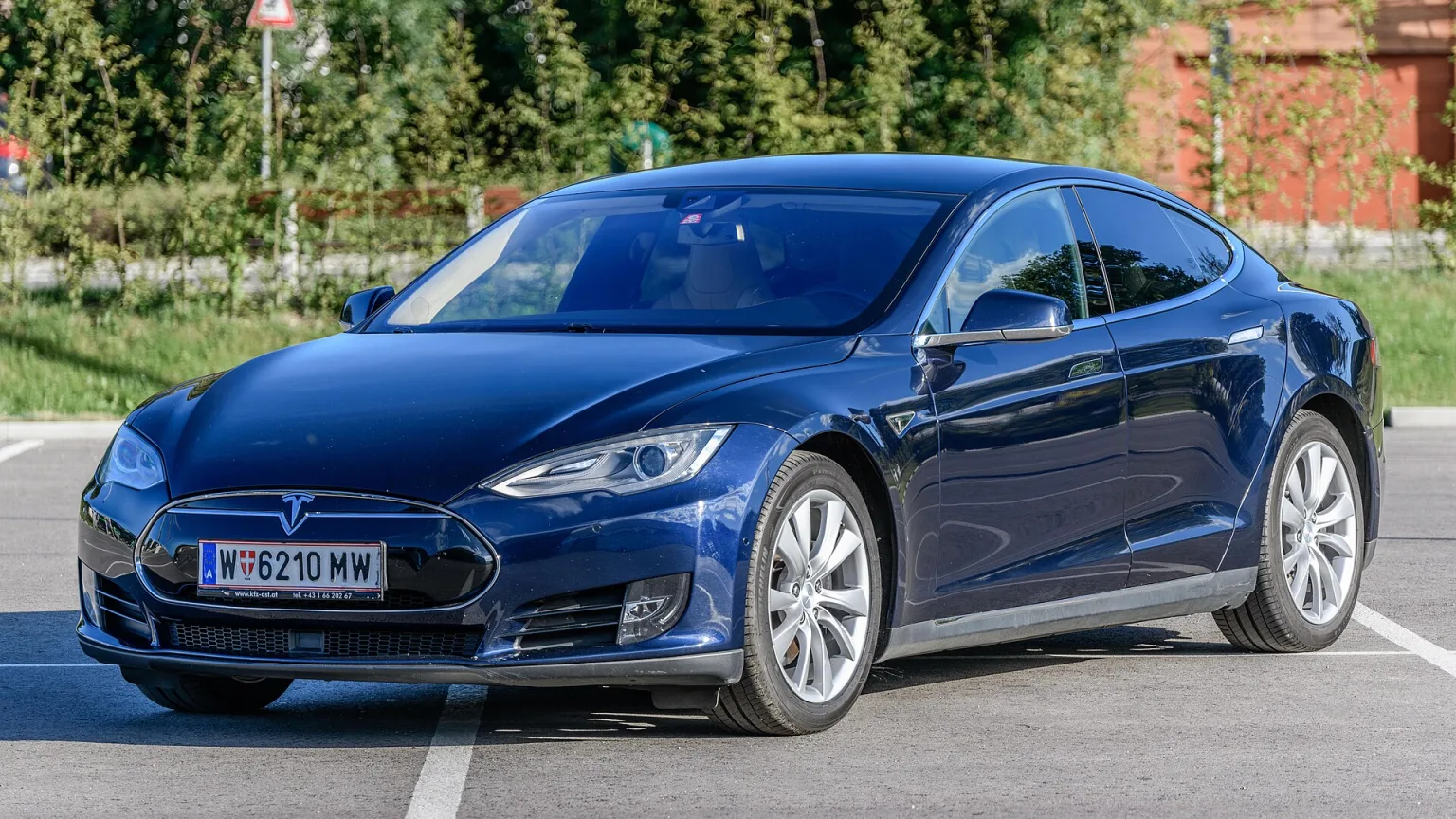
A Harvard Business School report has challenged the view that Tesla Motors is the main disruptive force in the electric vehicle sector, instead arguing that affordable entry-level EVs are more likely to reshape the car industry and energy markets.
Thomas Bartman, a researcher at the Forum for Growth and Innovation at Harvard, wrote in the Harvard Business Review that the focus on Tesla’s high-end Model S misses the real potential for disruption. He points to low-speed electric vehicles and basic electric utility vehicles as the categories capable of reaching mass adoption, particularly in urban settings and developing markets.
Why entry-level EVs matter
Bartman argues that disruptive technologies typically start at the bottom of the market, offering a cheaper and simpler alternative to established products. In the case of electric cars, that means vehicles designed for short trips, such as those used on campuses, in residential developments or city centres. These models are less expensive to produce and buy, and with battery prices continuing to fall, their cost advantage is widening.
Luxury EVs like the Tesla Model S, by contrast, remain out of reach for most buyers. Bartman claims Tesla’s strategy is closer to that of a traditional premium carmaker, targeting affluent early adopters rather than the mass market. He suggests this approach will make it difficult for Tesla to scale up and compete with low-cost rivals as the sector matures.
China’s lead in affordable electric vehicles
The report highlights China as an example of what mass-market EV disruption could look like. In 2013, sales of low-speed electric vehicles in China reached at least 200,000 units, far outstripping the luxury EV segment. These vehicles are used for daily commutes and short urban journeys, meeting the needs of a broad base of consumers who cannot afford premium models.