Tesla Faces High Warranty Costs Amid Quality Concerns
Warranty spending at Tesla has outstripped rivals including GM and Ford, as owner complaints about Model S and Model X quality persist.
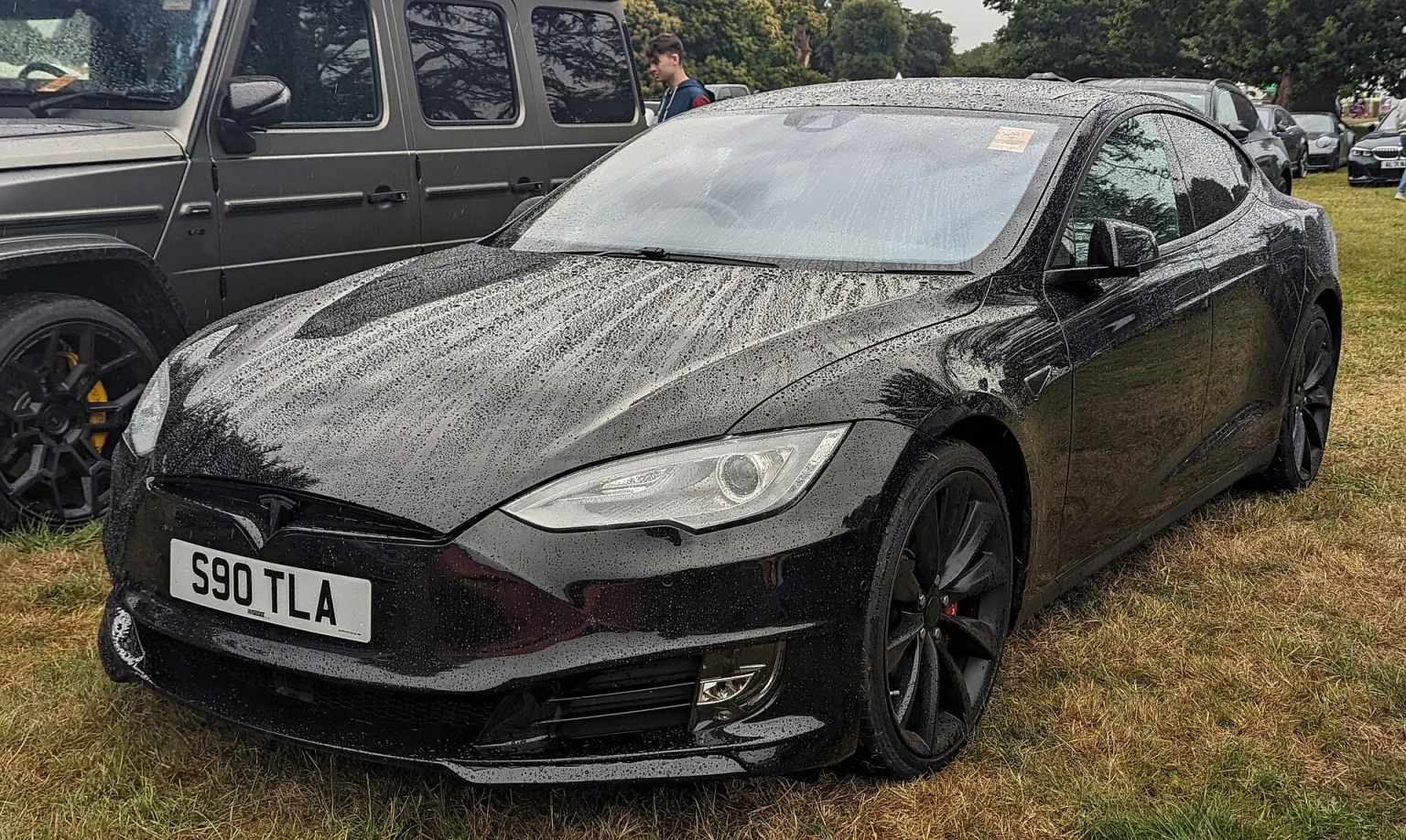
Tesla’s warranty costs have drawn attention after company data showed spending per vehicle far above that of established rivals. In 2015, Tesla spent $1,043 per car on repairs and set aside $2,036 per vehicle for future warranty claims, according to a Reuters analysis of company figures.
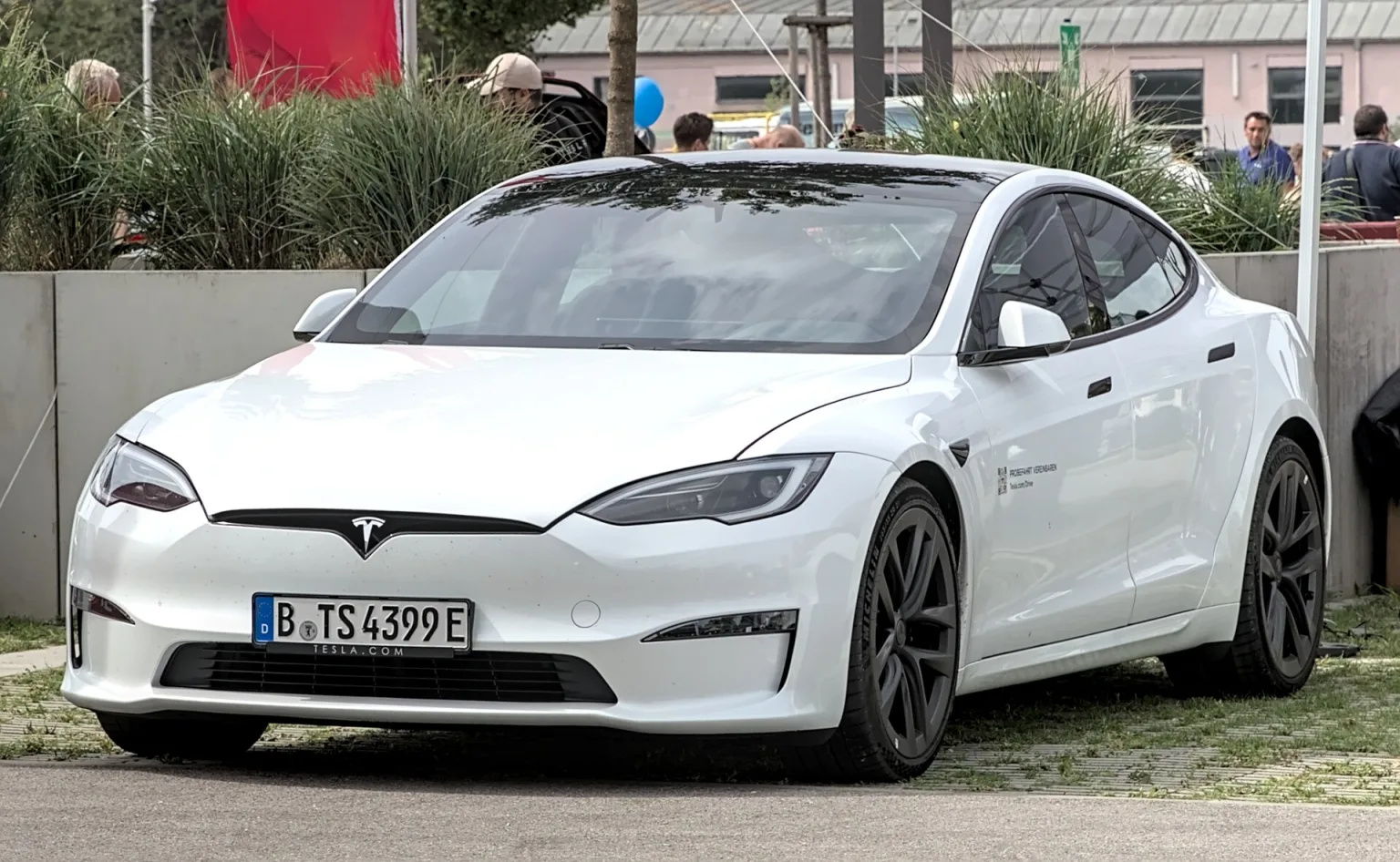
Complaints from Model S and Model X owners have focused on issues such as malfunctioning falcon doors, faulty driver’s doors, window problems and inconsistent Autopilot performance. Media coverage, including detailed reports from Consumer Reports, has highlighted cases where new vehicles suffered multiple faults from delivery.
While Tesla managed to reduce its warranty expenses by 17 percent and cut accruals by 34 percent compared to the previous year, its per-vehicle costs still far exceed those of traditional manufacturers. General Motors spent $400 per car on repairs in 2015 and set aside $332 for warranty accruals. Ford’s figures were $429 and $308 respectively. Daimler, closer to Tesla’s segment, spent $970 per car and set aside $1,294 for future work.
Quality issues and impact on profitability
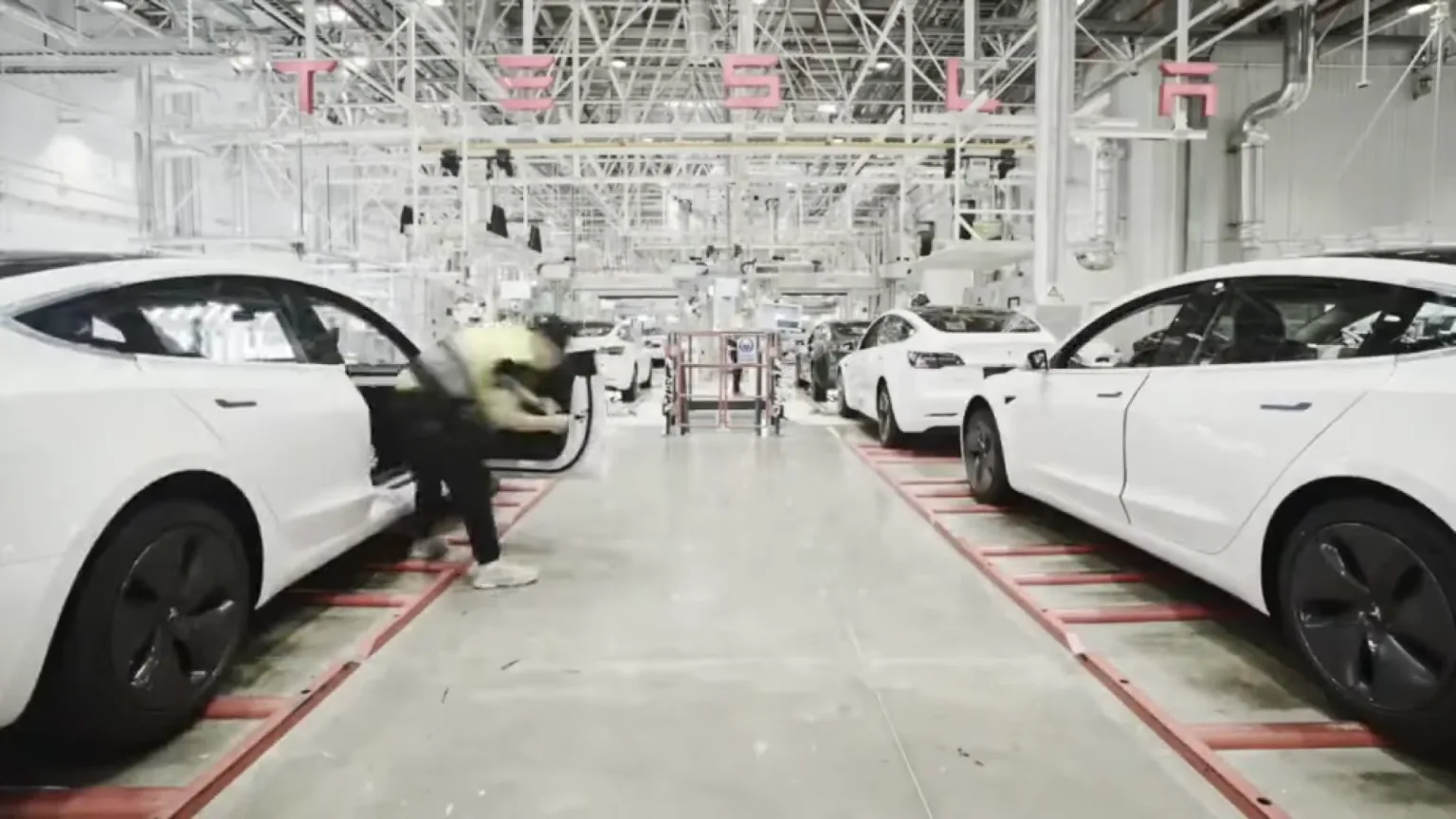
Tesla’s high warranty costs come as the company aims for profitability and prepares to ramp up production. The company produced about 50,000 vehicles in 2015 and has set a goal of 500,000 vehicles annually by 2020. Persistent quality problems risk undermining margins at a time when Tesla is scaling up.
The Model X, in particular, has been the subject of owner complaints about its complex door mechanisms and electronic systems. Early production issues have led to repeated service visits for some customers, increasing warranty claims and repair costs.
Comparison with established manufacturers
Tesla’s warranty costs are high even compared to premium brands. Daimler, which operates in a similar price segment, spent less per vehicle than Tesla in both repairs and accruals. For buyers, this raises questions about long-term reliability and aftersales support, particularly as Tesla’s sales volumes increase.
With demand for the Model 3 building, Tesla faces pressure to tighten quality control and reduce warranty expenses. Achieving profitability at higher production volumes will depend in part on addressing the quality issues that have driven warranty costs above industry norms.
For a recent example of Tesla vehicles in the news, seeStolen Tesla Model S splits in two after high-speed LA chase.