Stolen Tesla Model S splits in two after high-speed LA chase
A stolen Tesla Model S was destroyed in a violent crash and fire following a police pursuit in West Hollywood, leaving the car severed and multiple people injured.
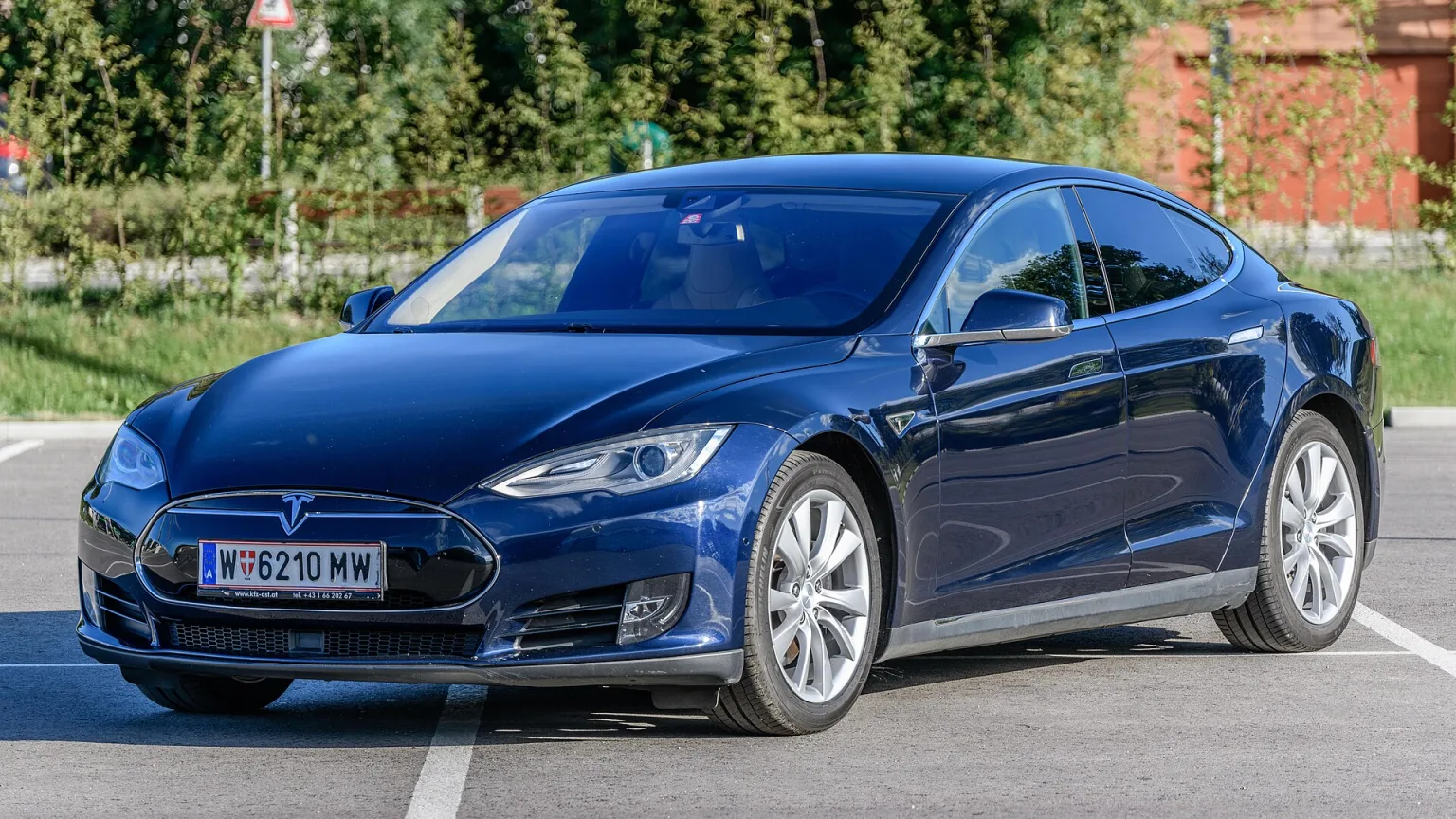
A police pursuit of a stolen Tesla Model S in West Hollywood, Los Angeles, ended in a severe crash on 4 July 2014, splitting the electric saloon in half and igniting a battery fire that left several people injured.
The incident began when Los Angeles police responded to a report of a stolen Tesla Model S. Officers attempted to stop the vehicle, but the driver fled at high speed through city streets. The chase ended abruptly when the Tesla collided with several vehicles and struck a light pole, tearing the car apart and scattering debris across the area.
Crash aftermath and fire risk
Eyewitnesses described chaotic scenes as the rear section of the Model S came to rest against a nearby synagogue, while the front caught fire. Thick smoke and flames made it difficult for bystanders to approach the wreckage. Emergency services arrived quickly, treating the injured and extinguishing the blaze. The suspect, who had been driving the stolen Tesla, was taken into custody with injuries. Several other people were also hurt in the multi-vehicle collision.
The Model S’s lithium-ion battery pack was ruptured in the crash, leading to a fire that consumed part of the vehicle. Battery fires in electric cars are rare but can be intense due to the energy stored within the cells. Tesla stated it would examine the remains of the car to understand the cause and behaviour of the battery fire in this unusual crash scenario.
Tesla’s safety response
Tesla confirmed its intention to inspect the wreckage alongside Los Angeles police and fire officials. The company said that major crashes involving the Model S were uncommon and that it would investigate the event to gather data on the car’s structural performance and battery safety. Previous incidents involving Model S fires have prompted Tesla to update underbody protection and review battery shielding, though in this case the circumstances were highly unusual.
The crash and subsequent fire reignited discussion around electric vehicle safety, particularly in high-speed, high-energy collisions. While the Model S has previously achieved strong crash test results, including a five-star rating from the NHTSA, extreme impacts such as this remain a challenge for any vehicle type. For more on Tesla Model S crash safety, see Tesla Model S earns five-star rating in NHTSA crash tests.
Multiple injuries and investigation
Authorities reported that several people, including the suspect, suffered injuries as a result of the crash. The exact number and severity of the injuries were not immediately confirmed. The investigation involved both local law enforcement and Tesla’s technical team, who aimed to determine the sequence of events and the factors contributing to the severity of the crash and fire.
The incident highlighted the destructive potential of high-speed urban chases and the unique risks presented when electric vehicles are involved in major accidents. Tesla’s cooperation with authorities was expected to provide further insight into battery safety and vehicle integrity in extreme collisions.